
104% Tariffs Incoming: Brace Yourself for the Next Wave of Economic Shock

The 104% Tariff Bomb Has Dropped
Take a good look around your home—your phone, your TV, your kitchen appliances, your medicine cabinet. If it was made in China, the cost to replace it just doubled.
As of April 9th, a 104% tariff on Chinese goods is being implemented, a compounded result of previous trade penalties stacked atop new retaliatory measures. It started with a 20% tariff, followed by a 34% response from China. Now, the U.S. is adding another 50%, pushing the total to triple digits. The consequences of this aren't speculative—they're imminent.
A Fragile Supply Chain Cracks
Whether it’s consumer electronics, furniture, textiles, toys, or pharmaceuticals, China remains the largest supplier of goods to the U.S. economy. That dependency has been building for decades. And now, it’s about to become the greatest vulnerability in the American household budget.

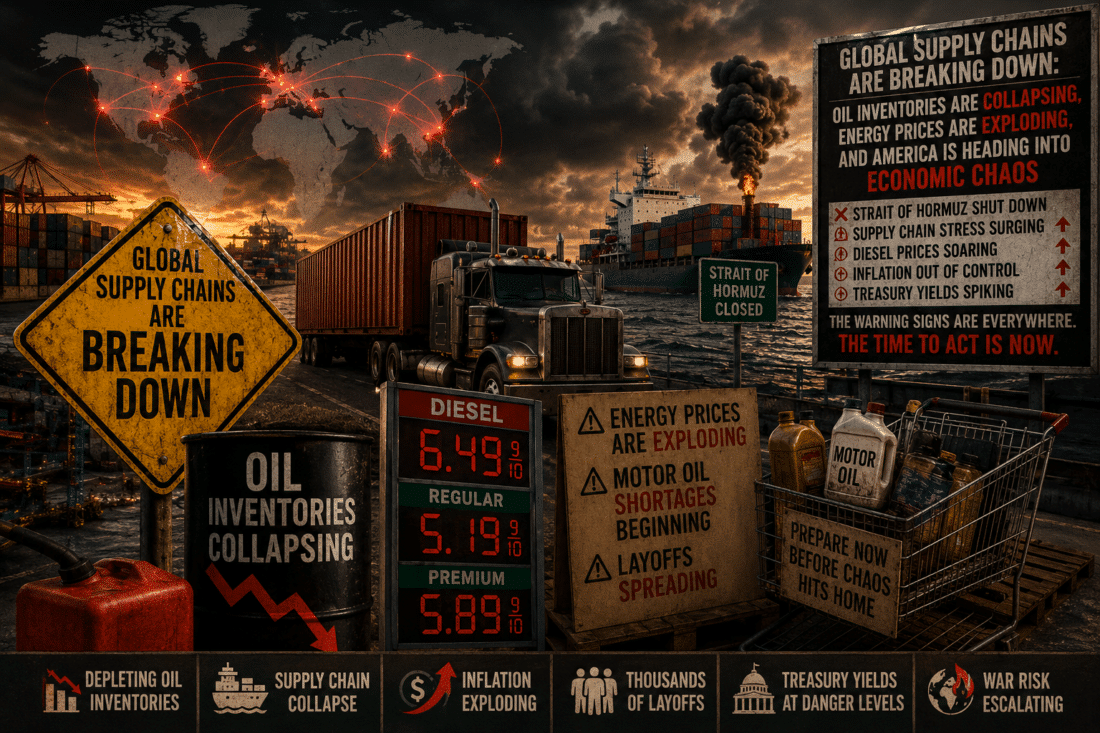
This isn’t a theoretical discussion. It’s already happening. Volkswagen has confirmed it's holding 37,000 vehicles at U.S. ports, stuck in limbo due to the latest tariff spike. Supply chains are freezing up, inventories are tightening, and major retailers are preparing for significant price hikes. From Walmart to your local hardware store, sticker shock is coming.
What Exactly Do We Import From China?
Here’s a sobering breakdown of what we import from China:
- Consumer electronics: smartphones, laptops, TVs, and components
- Textiles and clothing: everything from socks to jackets
- Pharmaceuticals: up to 80% of active drug ingredients in U.S. medicine
- Toys and furniture, appliances, batteries, and machinery—even basic household goods
If it isn’t made in China, odds are it’s made with parts that are.
Economic Warning Lights Are Blinking
And let’s not overlook the ripple effect. According to the American Bankruptcy Institute, commercial bankruptcies surged 20% year-over-year in March—before this latest round of tariffs even took effect. Meanwhile, nearly 400 U.S. bank branches have filed for closure just in the first quarter of 2025. These aren’t isolated data points. They’re signals of systemic stress.
Billionaire investor Bill Ackman described the tariff escalation as a potential "self-induced economic nuclear winter." He’s urging a pause—but whether that comes or not, the economic consequences are already baked in. And BlackRock’s Larry Fink recently warned that most CEOs he speaks with believe the U.S. is already in a recession.
Impact on Industry and the American Worker
The U.S. auto industry, for instance, is deeply integrated with global supply lines, especially in states like Michigan, where nearly one-fifth of the economy is tied to auto manufacturing and related trade. These tariffs will hit hard at the component level, disrupting assembly lines and tightening margins for an already stressed sector.
We’ve been warning for years that the system is brittle. That it wouldn’t take much to push us over the edge. Now the shove has come—through a policy lever few expected to escalate so rapidly.
What Comes Next?
The next several months will likely bring:
- Rising consumer prices
- Slower supply chains and reduced product availability
- Increased business failures
- Growing pressure on banks and local economies
We’ve endured four years of economic turbulence—supply chain collapse, inflation, a fragile banking system—and many hoped for calmer waters ahead. But that hope must now give way to preparation.
What You Can Do Right Now to Prepare
- Download the free guide: “7 Steps to Protect Your Account from Bank Failure.” It’s a practical roadmap to shielding your finances from systemic shocks.
👉 Download it here - Read Bill Brocius’ book, “End of Banking As You Know It.” It lays bare the hidden mechanics behind the financial decay we’re witnessing—and how to navigate it.
- Join the Inner Circle Newsletter for just $19.95/month. This is where Bill shares real-time analysis, actionable strategies, and unfiltered insight you won’t find anywhere else.
There’s no undoing the damage already done. But there is still time to position yourself on the right side of what comes next.