$200 OIL IS COMING — AND IT COULD WIPE OUT YOUR SAVINGS OVERNIGHT

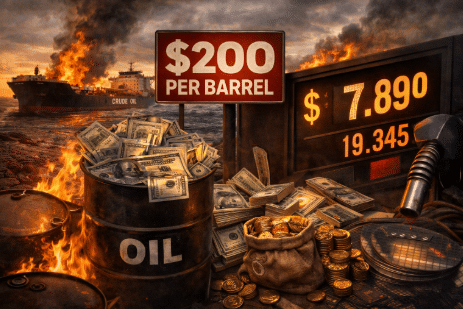
The $200 Oil Warning Isn’t Hype — It’s a Signal
Let me talk to you like I would sitting across the kitchen table.
When you hear analysts throwing around $150… $180… even $200 oil, your first instinct might be to shrug it off. Sounds dramatic, right?
That’s exactly what people said in 2008 — right before oil spiked and the economy buckled under the pressure.

Here’s the truth: when oil moves like this, it’s not just about energy. It’s about everything getting more expensive — fast.
And right now, the pieces are falling into place again.
Why the Strait of Hormuz Matters More Than You Think
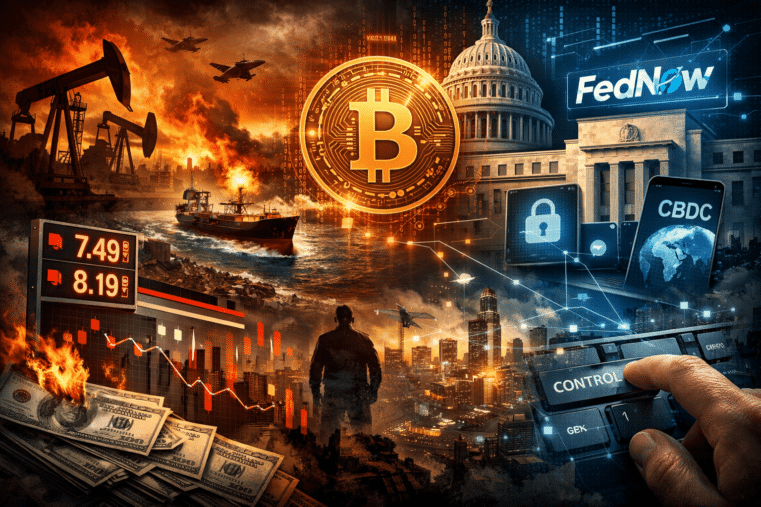
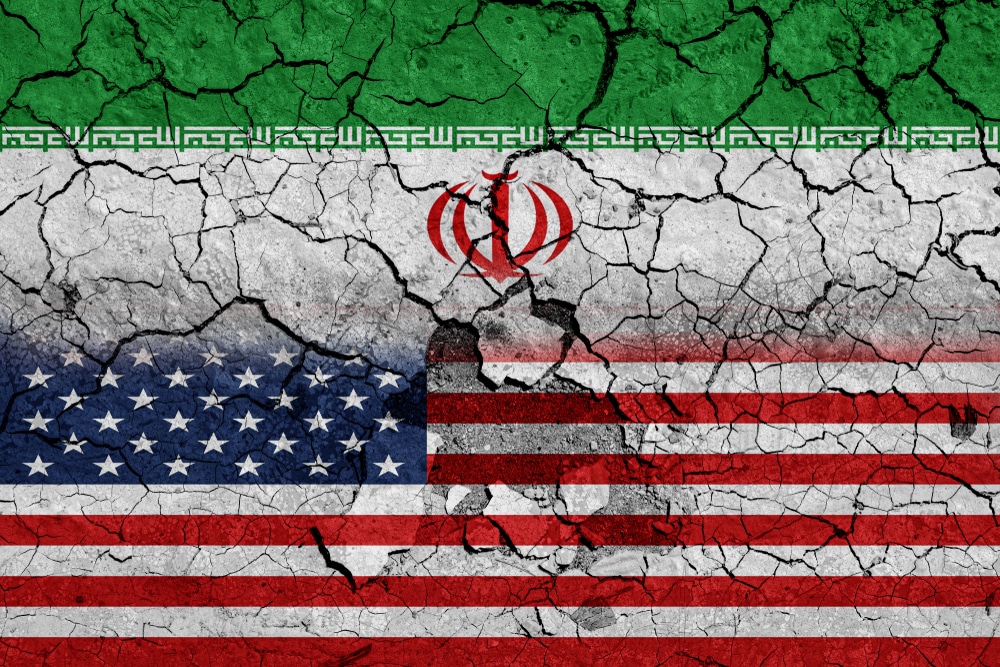
About 20% of the world’s oil supply flows through one narrow choke point: the Strait of Hormuz.
Think of it like a major highway for global energy. Now imagine that highway suddenly gets shut down.
That’s what we’re staring at.
If that supply stays disrupted:
- Global oil supply tightens overnight
- Prices surge because demand doesn’t disappear
- Countries start competing aggressively for remaining supply
And when governments compete, you pay the bill.
The Pain Has Already Started
You don’t need to wait for $200 oil to feel this.
We’re already seeing:
- Gas prices jumping rapidly
- Supply chains tightening
- Countries facing fuel shortages
That’s the early stage.
The real damage comes later — when higher energy costs ripple through:
- Food production
- Transportation
- Manufacturing
- Utilities
It’s like turning up the heat under a pot — slowly at first, then all at once.
Inflation Isn’t Coming Back — It Never Left
Here’s something most folks miss.
Energy is the foundation of the economy. When oil spikes:
- It raises the cost of producing goods
- It raises the cost of transporting them
- It raises the cost of living across the board
So when oil jumps, inflation doesn’t just tick up — it accelerates.
And if oil really pushes toward $150–$200?
You’re not looking at “higher prices.”
You’re looking at another full-blown inflation wave.
The Dangerous Illusion of “Temporary Buffers”
Right now, prices haven’t exploded completely — and that’s giving people a false sense of calm.
Why?
Because of short-term cushions:
- Oil already in transit
- Strategic reserve releases
- Temporary supply adjustments
But those buffers are running out.
As one insider put it: the ships that got out early?
They’ve already delivered their cargo.
What’s left now is the reality of constrained supply.
What Happens Next (And Why It Should Concern You)
If this situation drags on, history gives us a roadmap:
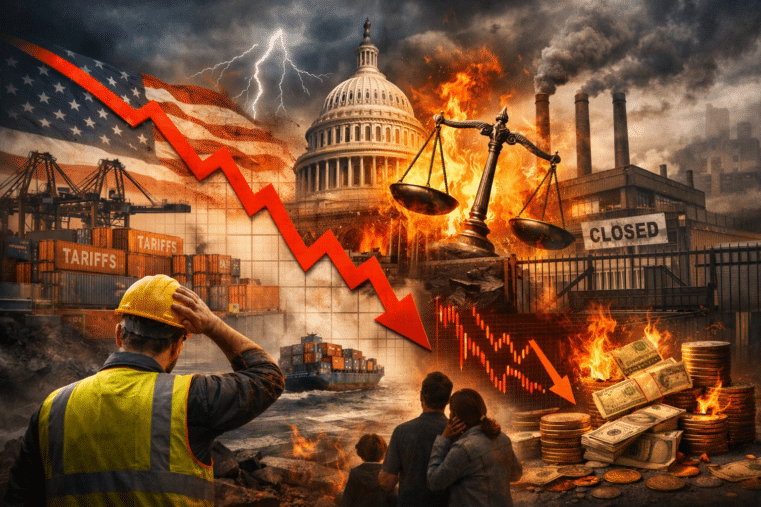
- Prices surge
- Consumers cut back
- Businesses struggle
- Economic slowdown follows
That’s exactly what happened in 2008.
And here’s the kicker — the system “fixes” itself not by improving… but by breaking demand through economic pain.
In plain English:
The economy slows down because people can’t afford to keep up.
Why Your Dollars Are the Real Risk
Let me be blunt.
Your biggest exposure right now isn’t just higher gas prices —
it’s the purchasing power of your money.
The dollar behaves a lot like an old pickup truck:
- It gets you where you need to go
- But every year, it loses value
When inflation spikes, that decline speeds up dramatically.
So while prices rise, your savings quietly shrink in real terms.
This Is Where Gold and Silver Come In
Now here’s the part most people overlook — until it’s too late.
Gold and silver aren’t just “investments.”
They’re financial insurance.
When:
- Inflation rises
- Currency weakens
- Global instability increases
Hard assets historically hold their ground — or even rise.
I’ve spent decades in finance, and I’ve seen this pattern repeat again and again.
People who prepare ahead of time?
They preserve their wealth.
People who wait?
They end up reacting when it’s already expensive.
You Don’t Need to Panic — But You Do Need a Plan
I’m not here to scare you for the sake of it.
But I am telling you — this isn’t a normal market environment.
You’ve got:
- Geopolitical tension
- Energy disruption
- Inflation pressure building again
That combination doesn’t resolve quietly.
The smart move isn’t panic.
It’s preparation.
Final Thoughts: Don’t Wait for the Headlines to Catch Up
By the time oil actually hits $150 or $200, the opportunity to prepare cheaply is gone.
That’s how these cycles work.
The people who stay ahead aren’t guessing —
they’re paying attention to signals like this and acting early.
Call to Action: Arm Yourself Before the Collapse
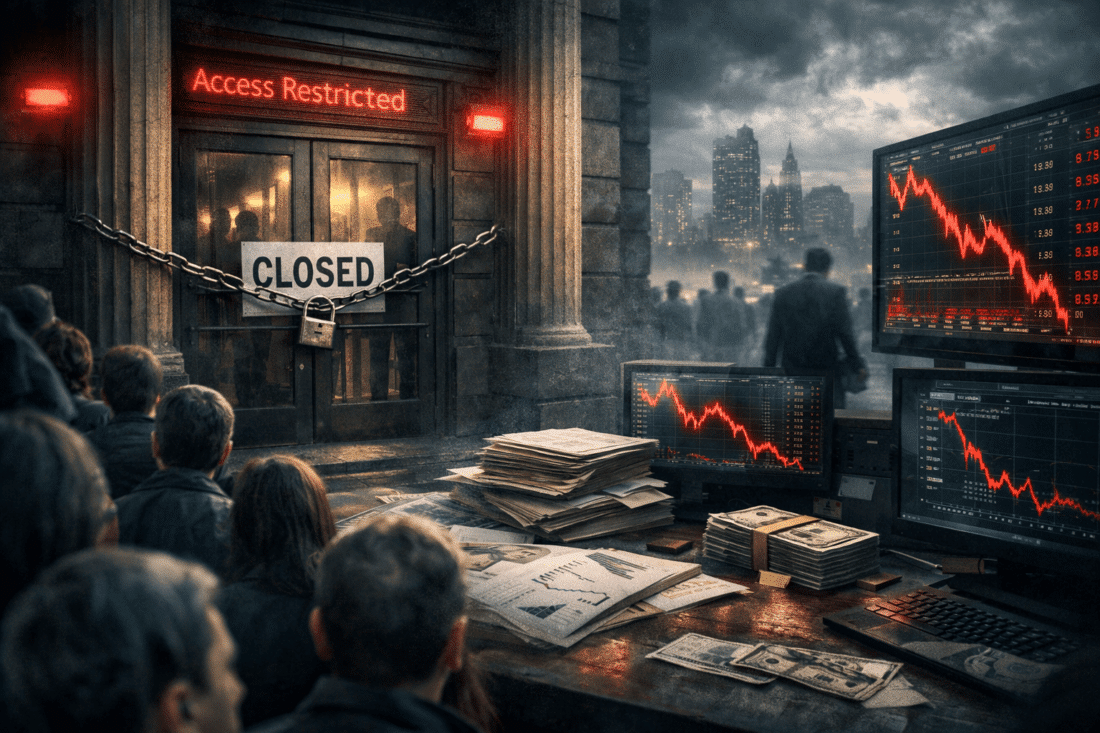
Don’t wait for the next "bank holiday" or currency reset to realize you’ve been had. Get physical. Get secure. And get educated — because they’re not going to warn you when it all goes down.
Download "Digital Dollar Reset Guide" now.
Your future self will thank you. Or curse you — depending on whether you act now.