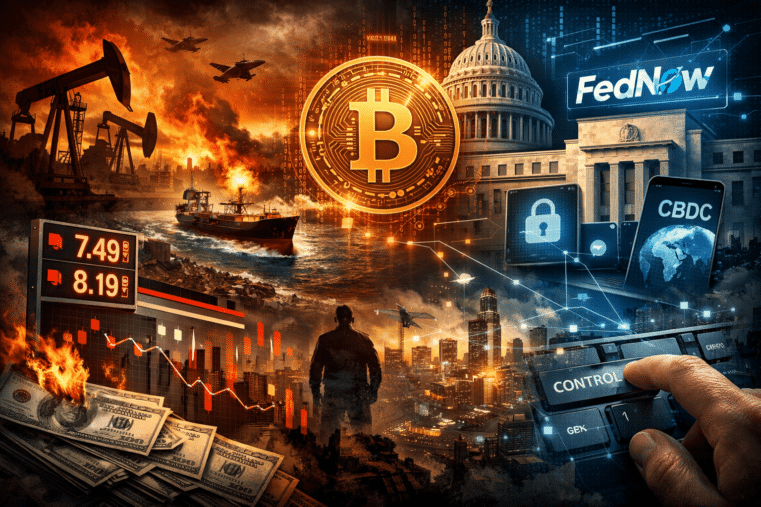
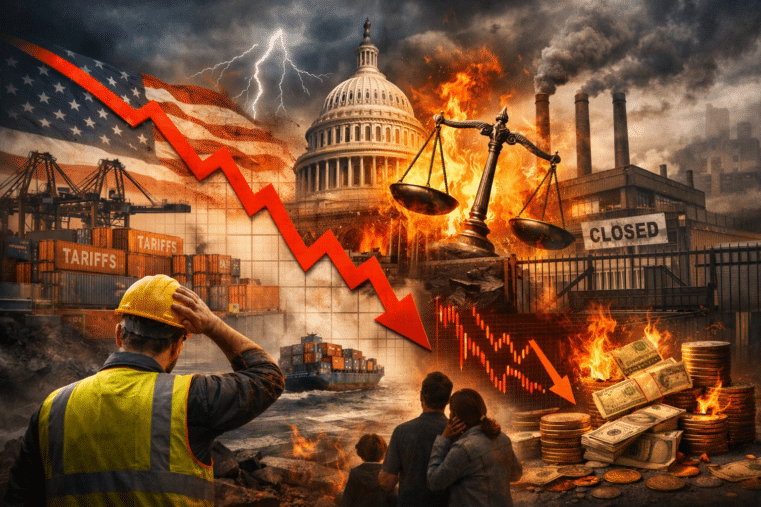
$4 GAS IS A WARNING SHOT: HOW THE SYSTEM IS SQUEEZING EVERY AMERICAN FAMILY

The $4 Gas Reality: You’re Paying, No Matter What
Let’s cut through the noise.
Gas just broke $4 a gallon nationwide. Again.
And here’s the truth the suits won’t say out loud: you don’t get to opt out.

Gas demand doesn’t just disappear because prices rise. People still have to:
- Drive to work
- Pick up their kids
- Run a business
- Put food on the table
You can’t “budget away” a commute. You can’t magically buy a new car overnight.
So when gas spikes fast, like it just did, you pay—or you sacrifice something else.
The Hidden Tax on Working Americans
The economists admit it, even if they whisper it.
If gas stays around $4, it could drain $100 billion in purchasing power from consumers.
That’s not abstract. That’s real life:
- Fewer groceries
- Delayed bills
- No savings cushion
- Less money for your kids
This is a silent tax—one that hits hardest in the South, in rural towns, and in working-class communities where driving isn’t optional.
The elites call it “market dynamics.”
Regular Americans call it what it is: getting squeezed.
Businesses Don’t Absorb the Pain—They Pass It On
Here’s another myth: that companies will just “eat the cost.”
They won’t.
They either:
- Raise prices
- Cut jobs
- Freeze wages
- Or all three
That means higher gas doesn’t just hurt at the pump—it spreads like wildfire through the entire economy.
Groceries go up. Shipping goes up. Services go up.
And suddenly, everything costs more.
The Dangerous Ripple Effect They Don’t Want You to See
Wall Street analysts quietly admit something critical:
When businesses lose profit, it comes back to you through:
- Slower wage growth
- Fewer job opportunities
- Weaker retirement accounts
This is how the system works.
The burden rolls downhill.
And guess who’s at the bottom?
You are.
“It’s Not That Bad” — The Spin Machine Kicks In
You’ll hear this talking point a lot:
“Gas was higher before.”
“Wages are better now.”
“Relax.”
But that ignores reality.
Because today’s Americans are already drowning in:
- High rent
- High food costs
- High debt
- High interest rates
So even if gas isn’t at record highs, your margin for survival is thinner than ever.
That’s the part they leave out.
The Bigger Picture: Control, Dependency, and Distraction
Let’s be honest about what’s happening.
When essentials like energy spike:
- You become more dependent
- You have less freedom
- You make more desperate financial choices
Meanwhile, the same institutions driving instability push:
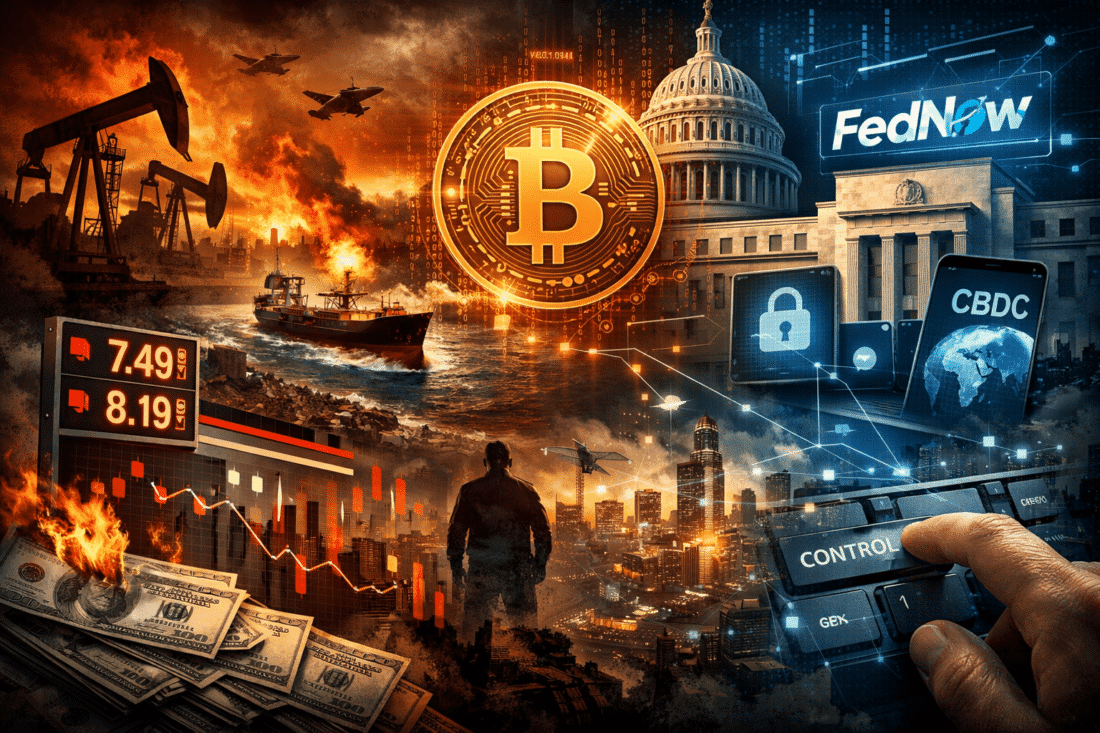
- Digital financial systems
- Centralized control mechanisms
- Policies that keep you reactive instead of independent
And while all this unfolds?
They flood the culture with distractions.
Endless entertainment. Endless noise.
Anything to keep you from asking the real question:
Why does the system always seem to work against the American worker?
This Is About More Than Gas
Gas is just the signal.
The warning shot.
Because if your transportation costs can spike overnight and wipe out your budget…
What happens when the next shock hits?
Food? Banking? Currency?
This is about resilience. Independence. Survival in a system that’s becoming more unstable by the day.
The Bottom Line: You Can’t Afford to Ignore This
This isn’t temporary pressure.
This is structural.
And if you’re not preparing, you’re falling behind.
Not because you failed.
Because the system is designed that way.
Take Action Before the Next Shock Hits
Don’t wait for $5 gas. Don’t wait for the next crisis.
Get ahead of it now.
Stay informed. Stay prepared. Stay free.