BRICS Currency: Why Standard Chartered Calls It a ‘Fantasy’

When talk of a new BRICS currency started buzzing, I wasn’t surprised. People are tired of the US dollar being weaponized like a political tool—just ask Russia, Iran, or any other country slapped with sanctions. The idea of escaping the dollar’s dominance is attractive, especially to developing nations, but is a BRICS currency really on the horizon? Not according to Standard Chartered.
Their Global Head of Research, Eric Robertsen, came out swinging, calling the BRICS currency nothing more than a “fantasy.” And honestly, he’s not wrong—at least for now. The US dollar still accounts for 58% of the world’s reserves, and it isn’t losing ground anytime soon. Whether you like it or not, the dollar is the lifeblood of global trade.
BRICS: The Push to Escape Dollar Hegemony
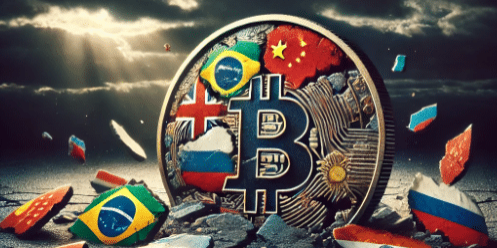
Here’s the thing: the BRICS nations—Brazil, Russia, India, China, and South Africa—are sick of playing by Washington’s rules. After the US slapped crippling sanctions on Russia in 2022, BRICS started throwing around the idea of a new currency to sidestep the dollar completely. China, Russia, and now Iran are spearheading this anti-dollar movement, pushing for local currencies to dominate trade.

For countries battered by economic sanctions or debt traps tied to the dollar, this sounds like a dream come true. Who wouldn’t want more control over their own economy? But according to Robertsen, ditching the dollar isn’t as simple as flipping a switch.
“When people talk about BRICS, there’s this rush to assume that it means people are going to abandon their currency or abandon the dollar for something different,” Robertsen said. “I think it’s a bit of a fantasy.”
He’s not sugarcoating it, and honestly, I get it. Creating a new currency to challenge the dollar isn’t like baking a cake—it’s more like trying to build a rocket ship with spare parts. You’re talking about decades of trust, infrastructure, and global confidence in the dollar. That’s not something BRICS can replace overnight.
Putin’s Stunt and the Reality Check
At the BRICS summit earlier this year, Russian President Vladimir Putin unveiled a mock-up of the so-called “BRICS currency.” It made headlines, raised eyebrows, and got folks wondering if this was the real deal. But let’s be clear: it was all for show.
BRICS leaders later confirmed there’s no official BRICS currency—not yet, anyway. The whole thing was little more than political theater to stoke interest in de-dollarization. Russia and China might be driving the idea, but let’s face it: even their own allies aren’t fully sold.
Why? Because emerging economies still depend heavily on the US dollar to survive. A BRICS currency might sound nice in theory, but the practical hurdles are enormous. How do you get global markets to trust it? What happens to the massive debts these countries hold, most of which are denominated in dollars?
The US Dollar: A Dominant Force—for Now
Look, I get why countries want to break free from the dollar. It’s a tool of control—one that Washington uses to keep the world in line. But here’s the harsh truth: the dollar’s grip isn’t loosening anytime soon. Its dominance is rooted in decades of trade agreements, reserves, and economic confidence that BRICS just can’t replicate overnight.
That doesn’t mean de-dollarization is dead. Far from it. The push for local currencies is real—and it’s growing stronger every day. The more the US uses the dollar as a weapon, the more other nations will look for alternatives. But as Standard Chartered rightly points out, we’re still a long way from seeing a viable replacement.
Protect Yourself from Dollar Decline
Here’s the takeaway, my friend: while BRICS may not have a magic bullet to replace the dollar, the writing is on the wall. Countries are tired of relying on a currency controlled by one country, and the push for alternatives will only intensify. What does that mean for you? Simple—don’t put all your faith in fiat currencies.
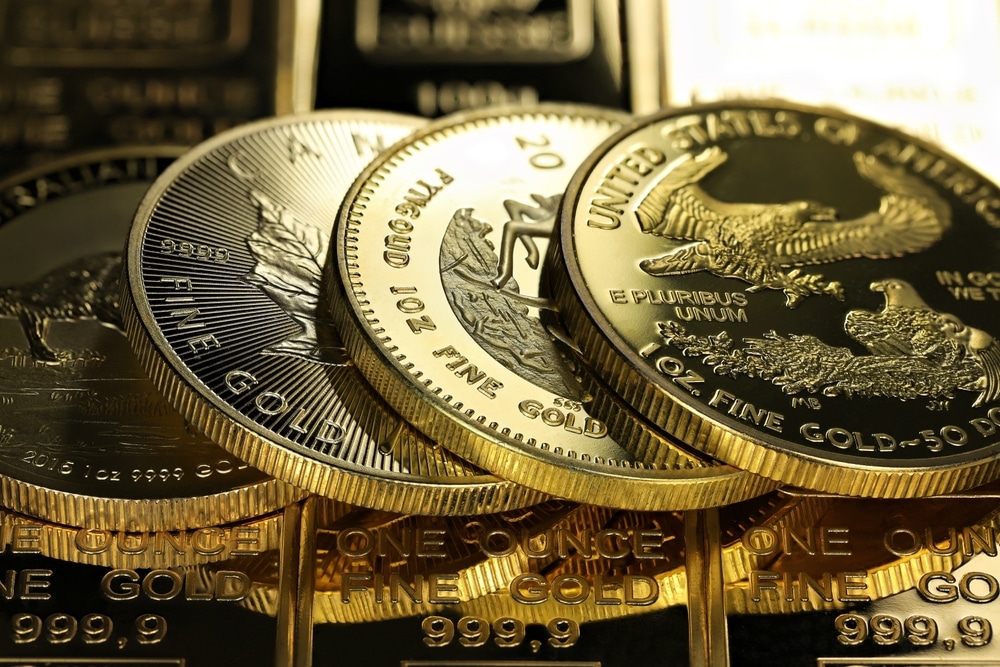
Gold and silver have stood the test of time as true stores of value. When currencies fail, precious metals hold their worth. Don’t wait for a BRICS currency or the next big headline to start protecting your wealth.
Download Bill Brocius’ eBook, ‘Seven Steps to Protect Yourself from Bank Failure,’ and learn how to safeguard your assets before it’s too late.
Click here to get your free eBook.
Stay smart, stay safe, and stay ahead of the game.