
Digital Dollar Shock: The Quiet FedNow Power Play Behind the Hormuz Oil Toll They Didn’t Warn You About

The Hormuz Toll Isn’t About Oil—It’s About Control
Everyone’s asking the wrong question.
It’s not “Who pays the $1 per barrel toll?”
It’s “Why is this being paid in bitcoin—and what comes next?”
On the surface, Iran’s move to charge a toll on oil shipments through the Strait of Hormuz looks like a geopolitical flex. A minor tax. A regional power play.

But if you’ve spent enough time watching how financial systems evolve—and how governments quietly expand control—you see something else entirely.
This is a live test of currency displacement.
And it’s happening at the heart of the global oil supply.
Tax Incidence: The Hidden Reality Most People Miss
Let’s cut through the academic jargon.
In the short term, the companies shipping oil eat the cost. No debate there. Tankers stuck in the Gulf? They pay or they don’t move. Simple.
But zoom out—and this is where it gets interesting.
Over time, that cost doesn’t vanish. It shifts.
It moves backward—straight to the source.
- Oil producers take the hit
- Oil well values drop
- State-owned giants absorb the loss
Saudi Aramco. Kuwait Oil Company. Abu Dhabi National Oil Company.
The ruling class doesn’t say it out loud—but they’re the ones quietly footing the bill.
And here’s the kicker: consumers don’t necessarily feel it directly.
No spike at the pump tied specifically to this toll. No obvious inflation signal you can point to.
That’s how real economic pressure works—it hides upstream.
Why This Matters More Than You Think
Now let’s connect the dots most analysts won’t touch.
The toll isn’t just a fee. It’s a lever.
And Iran is pulling it in a very specific direction:
- Payments in bitcoin
- Reports of yuan usage
- Potential shifts away from the U.S. dollar
That’s not accidental.
That’s a direct challenge to the petrodollar system—the backbone of U.S. global financial dominance.
For decades, oil = dollars.
Dollars = control.
Break that link, and you don’t just change trade.
You change power.
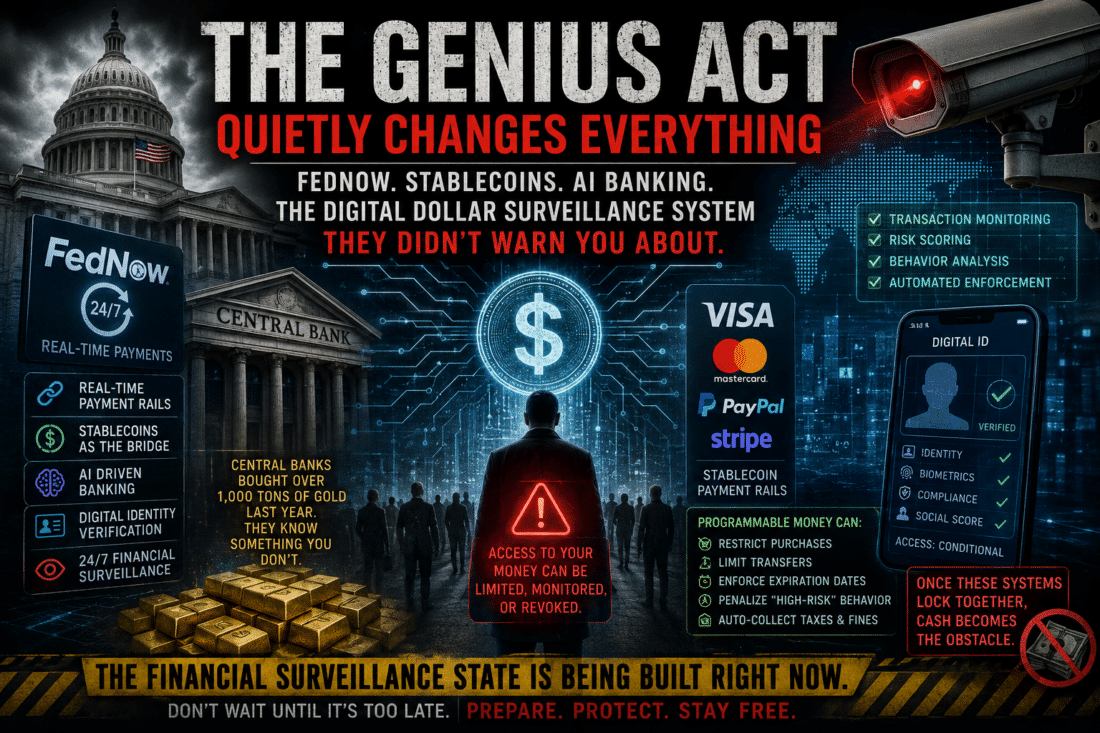
Enter FedNow and the Rise of Programmable Money
While this is unfolding overseas, something just as significant is happening at home.
The FedNow payment system is already operational.
Most people think it’s just faster payments.
It’s not.
It’s the infrastructure.
The rails.
The groundwork for what comes next:
Central Bank Digital Currency (CBDC).
And here’s where things start to align in a way that should make you uncomfortable.
On one side:
- Oil trades experimenting with decentralized and non-dollar payments
- Governments bypassing traditional financial systems
On the other:
- Central banks building programmable, trackable digital currencies
- Governments gaining unprecedented visibility into transactions
This isn’t chaos.
It’s a transition.
From Oil Tolls to Financial Surveillance
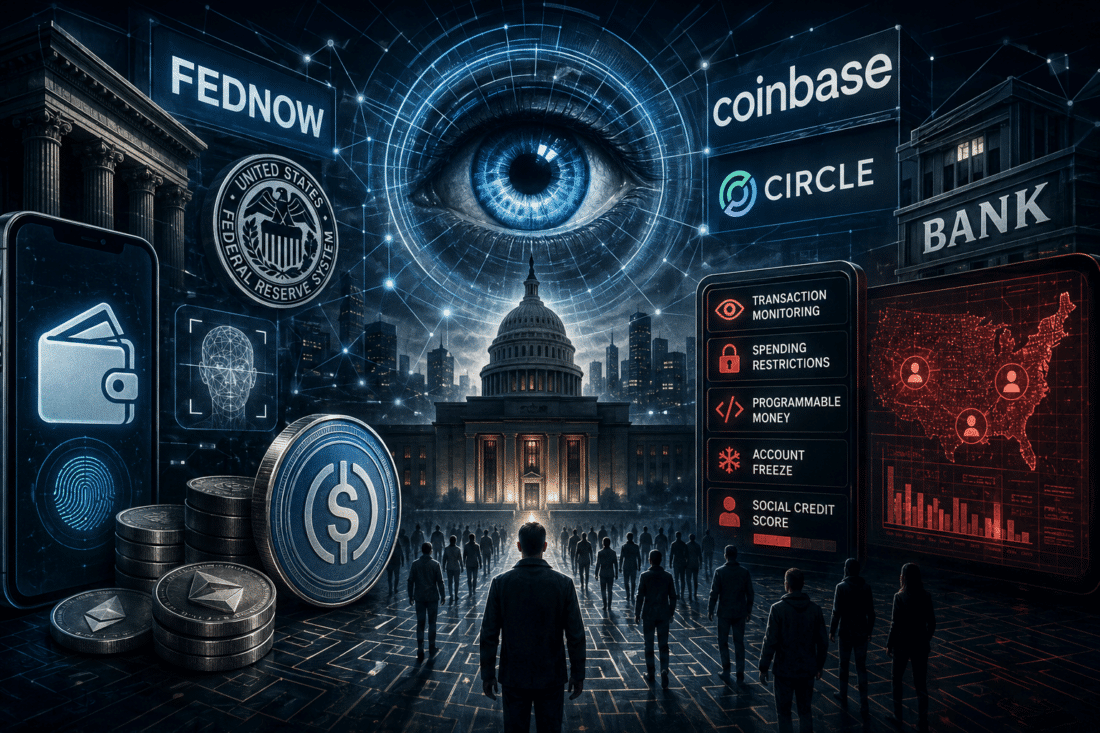
Think about what a CBDC actually enables:
- Real-time transaction monitoring
- Spending restrictions
- Expiration dates on money
- Automated taxation
Now contrast that with what’s happening in Hormuz.
Iran doesn’t need to monitor your spending habits.
But central banks? They absolutely do.
The same systems being built to “modernize payments” can easily become tools of financial surveillance and control.
And once cash disappears?
You don’t opt out.
The Cashless Trap Is Closer Than It Looks
Here’s the uncomfortable truth:
The Hormuz toll shows how quickly financial rules can change when power shifts.
One day, oil flows freely.
The next, there’s a toll—paid in a currency that didn’t even exist a generation ago.
Now imagine that same speed applied to your daily life.
- Limits on what you can buy
- Restrictions based on policy compliance
- Instant enforcement through programmable money
That’s not theory.
That’s the logical endpoint of a fully digital financial system.
Why Oil Markets Aren’t Reacting—And Why That’s Worse
You’d expect chaos, right?
Supply shocks. Price spikes.
But that’s not what’s happening.
Because the toll doesn’t reduce supply—at least not significantly.
Production continues.
Oil flows.
Markets stay relatively stable.
Which means the system absorbs the change quietly.
No panic.
No headlines screaming collapse.
Just a slow, steady shift in who controls the flow of money behind the scenes.
That’s how major transitions actually happen—not with explosions, but with adjustments no one notices until it’s too late.
My Take: This Is a Warning Shot
I’ve been around long enough to recognize patterns.
This isn’t about a $1 toll.
It’s about:
- The fragmentation of global currency systems
- The erosion of dollar dominance
- The rise of controlled, digital financial infrastructure
And most importantly—
The growing gap between those who understand what’s happening…
…and those who don’t.
Because when the shift completes, there won’t be a vote.
There won’t be a warning.
There will just be a new system.
Final Word: Prepare Now or Pay Later
You can ignore this.
Most people will.
But the signs are stacking up:
- FedNow laying the groundwork
- CBDC discussions accelerating
- Oil markets experimenting with alternative currencies
- Governments expanding financial oversight
This isn’t random.
It’s coordinated evolution.
And if you wait until it’s obvious, you’re already behind.
If you want a clear breakdown of what’s coming—and more importantly, how to protect yourself—you need to get informed now.
Download the Digital Dollar Reset Guide by Bill Brocius
This isn’t optional reading.
It’s survival intelligence.
Because once programmable money locks in…
Getting out won’t be an option.