
Don’t Be Fooled: There Is an Alternative to Fiat

The Dollar May Not Be Dying—But It’s on Life Support
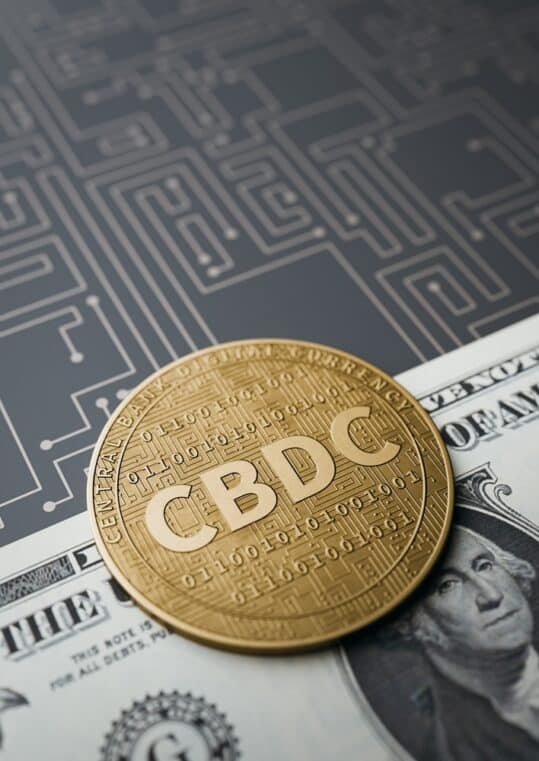
Let’s start with this: Daniel Lacalle’s core thesis—that no viable fiat alternative to the U.S. dollar currently exists—is, for the most part, accurate. The euro is preparing for digital servitude, the yuan is hemmed in by authoritarian capital controls, and the BRICS currencies are riddled with political opacity and legal risk. On that count, we’re aligned.
Where the analysis breaks down is in dismissing gold as a mere store of value with “low liquidity and supply”—as though these were bugs, not features.
Liquidity Isn’t the Problem—Confidence Is
Citing gold’s supposed illiquidity is not only misleading—it’s disingenuous. The global gold market trades hundreds of billions of dollars daily when accounting for futures and OTC markets. Compare that to sovereign bond markets in emerging economies and ask yourself which asset you'd rather trust in a crisis.

What makes gold inconvenient for central banks is exactly what makes it indispensable for everyone else: it can’t be printed or manipulated by policy edict. That’s not a flaw. That’s the escape hatch.
The Real Dollar Risk Isn’t External—It’s Internal Rot
To his credit, Lacalle does hone in on the real risk to the dollar—not an external challenger, but internal decay. A fiscal corpse bloated with debt. A central bank engineering asset bubbles and wealth inequality. A political system treating deficit spending like Monopoly money.
He’s right that America’s legal and institutional frameworks prop up the dollar—for now. But history is clear: once the bond of public trust breaks, reserve status crumbles fast. Think Britain in the mid-20th century. Think Rome before the denarius was debased into dust.
So what keeps the U.S. dollar on its throne? Not strength—but the weakness of its peers.
Gold: The Only Exit from the Fiat Cage
Now here’s where we part ways. To assert that gold and bitcoin “cannot replace the U.S. dollar” because they lack supply is to ignore the very principle of sound money. Scarcity isn’t a disqualifier—it’s the precondition for trust.
We’re not talking about using gold coins at the grocery store. We’re talking about a currency system anchored in real value, one that restrains government excess and restores discipline to fiscal policy. That system already existed for nearly two centuries—and it worked. Gold didn’t fail. Politicians fled from it so they could print, inflate, and bribe their way into power.
The Fed’s Role in This Farce
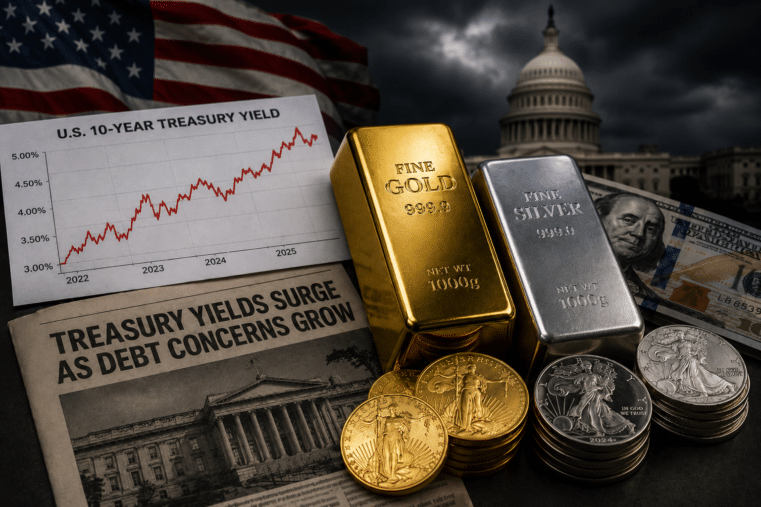
Lacalle correctly identifies the Federal Reserve’s role in the dollar’s recent weakness. High interest rates have made U.S. treasuries unpalatable for international buyers, triggering capital outflows and putting downward pressure on the dollar. The irony? These rate hikes were made to fix the very inflation the Fed itself created.
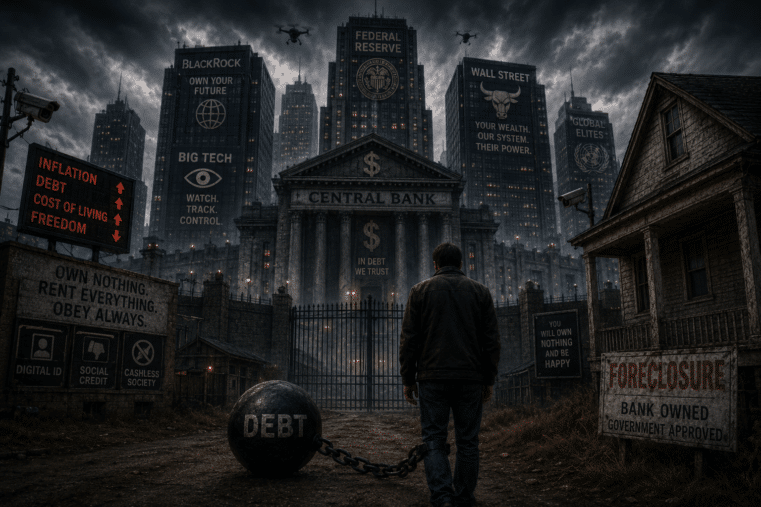
But the rot goes deeper. The Federal Reserve isn’t just mismanaging monetary policy—it’s presiding over the controlled demolition of purchasing power, decade after decade, in service of an unsustainable fiat system. You don’t fix that with tweaks. You fix it by ending the Fed’s monopoly on money creation and returning monetary sovereignty to the people.
Conclusion: The Alternative Is Already Here—If You Dare to See It
Lacalle claims there is “no alternative.” But there is. There always has been. It’s called gold—and it has outlasted every fiat experiment in human history. What we lack isn’t an alternative; we lack courage.
Imagine a world where the dollar is once again tied to a tangible asset. Where inflation is checked, savings are preserved, and Washington can no longer buy votes with printed lies. That world isn’t a fantasy. It’s a policy decision away—and it begins with acknowledging the truth that gold is not an investment relic. It’s the cornerstone of financial freedom.
Don’t Wait for the Collapse to Wake Up
The financial landscape is shifting faster than most realize, and those who fail to prepare risk being left behind. If you’re ready to take control of your financial destiny, I’ve got two resources that can help you start today:
🔒 Download my free book, "Seven Steps to Protect Your Bank Accounts", and learn actionable strategies to shield your wealth from the coming economic storm.
👉 Get your copy here
📘 Prefer the feel of a hardcover? I’m offering Bill Brocius’ groundbreaking book, "The End of Banking as You Know It,"at a special price of $19.95 (currently $49.95 on Amazon).
👉 Order your copy here
Remember—when trust in fiat dies, only those who’ve prepared will stand on solid ground.
— Mr. Anderson