Global Supply Chains Are Cracking: Oil Shock, Fertilizer Spike, and the Coming “Summer of Shortages” They Didn’t Prepare You For

The Strait That Controls the World
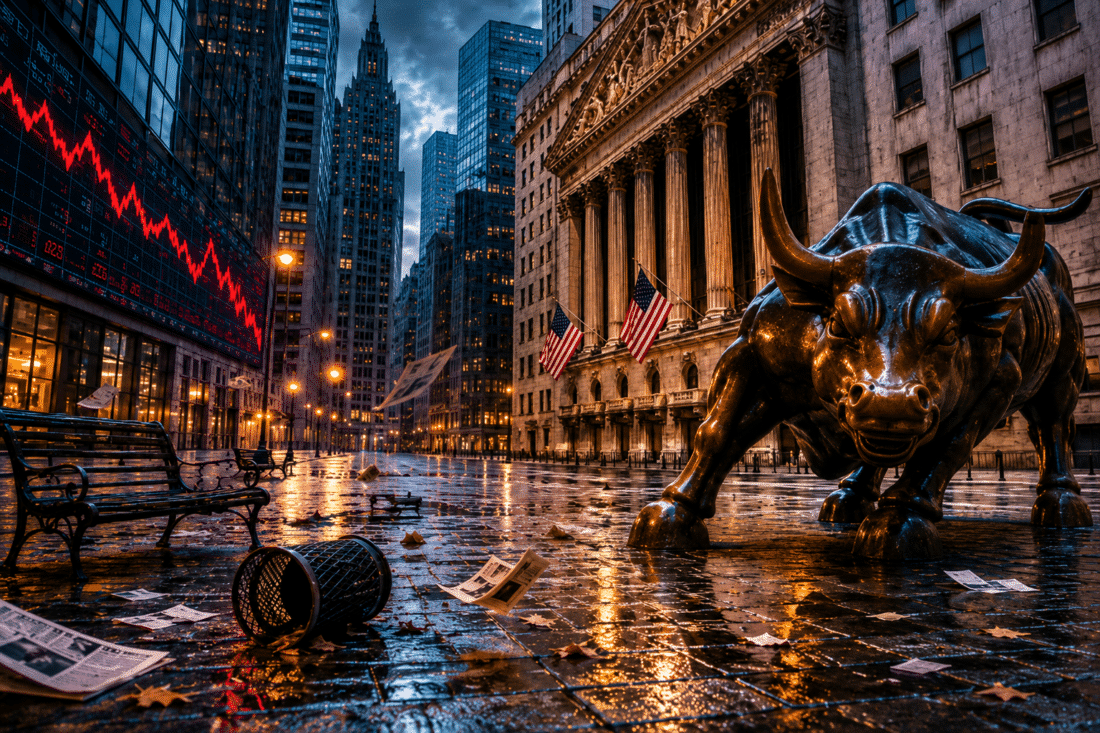
There’s a narrow strip of water most people couldn’t point to on a map—the Strait of Hormuz. But right now, it’s acting like a pressure valve on the entire global economy.
When that chokepoint tightens, everything downstream starts to fracture.
We’re not talking hypotheticals anymore. Oil shipments are disrupted. Insurance costs are exploding. Shipping routes are being rerouted or outright blocked. And when energy flow gets choked, it doesn’t just hit gas prices—it cascades into food, manufacturing, transportation, and electricity.

This isn’t a regional issue. It’s systemic.
The Real Price of Oil Is Already Out of Control
Forget the headline numbers you see on financial news.
The real story is what’s happening behind the scenes—physical oil prices. Not futures. Not projections. Actual barrels being delivered.
Those prices have detached from reality.
We’re seeing reports of oil hitting nearly $286 per barrel when all the hidden costs are factored in—shipping, risk premiums, and the quiet disappearance of traditional insurance structures.
That’s not volatility. That’s distortion.
And distortions like that don’t stay contained—they ripple outward into every layer of the economy.
Fertilizer: The Silent Multiplier
While everyone watches oil, fertilizer is quietly becoming the bigger threat.
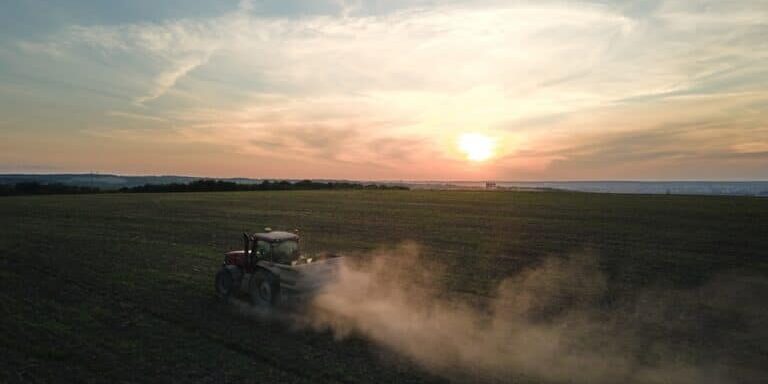
Here’s the part most people miss: fertilizer isn’t just another commodity—it’s a force multiplier for food production. When fertilizer prices spike, farmers don’t just “absorb the cost.”
They plant less. They cut corners. Yields drop.
And a few months later? You feel it at the grocery store.
We’re now seeing fertilizer prices climb at an exponential rate. That’s not seasonal fluctuation—that’s a warning sign.
Food shortages don’t happen overnight. They build quietly… and then hit all at once.
“Summer of Shortages” Isn’t Just a Headline
Governments are starting to use language they usually avoid.
“Worst-case scenarios.”
“Supply chain breakdowns.”
“Food shortages.”
These aren’t fringe predictions anymore—they’re contingency plans being discussed behind closed doors.
And here’s the uncomfortable truth: modern Western economies have never experienced a true supply shock like this.
Not at this scale. Not this interconnected.
When essentials like fuel, food inputs, and transport systems all come under pressure at the same time, you don’t get isolated problems—you get cascading failures.
Energy Rationing Has Already Begun
If you think this is still theoretical, look closer.
Countries are already adjusting.
Power cuts. Reduced electricity supply. Managed demand windows.
These are early-stage responses to energy strain. Not collapse—but controlled contraction.
And once rationing becomes normalized in one region, it spreads. Quietly. Gradually. Then suddenly.
The Dangerous Illusion of “Temporary”
Every crisis comes with a built-in narrative:
“This is temporary.”
“Stability is coming.”
“Negotiations are underway.”
But look at the facts on the ground.
Escalation is ongoing.
Diplomatic gaps are widening.
Military posturing is intensifying.
There’s no clear offramp.
And when a system built on just-in-time delivery meets prolonged disruption, time becomes the enemy.
What Happens Next?
If these conditions persist, here’s what becomes increasingly likely:
- Fuel shortages in key regions
- Higher food prices with sporadic availability gaps
- Air travel disruptions due to jet fuel constraints
- Rolling energy limitations in vulnerable grids
- Supply chain prioritization—meaning not everything gets delivered anymore
This isn’t about panic—it’s about pattern recognition.
The signals are already there.
My Take: This Isn’t a Crisis—It’s a Transition
I’ve been around long enough to recognize when something is more than just a temporary shock.
This isn’t just about war.
It’s not just about oil.
And it’s definitely not just about “supply chains.”
What we’re seeing is a system under stress revealing its weak points all at once.
Centralized dependencies. Fragile logistics. Overextended infrastructure.
When those cracks show, the response isn’t just to fix them—it’s to redesign the system.
And those redesigns rarely favor the average person.
The Bottom Line
You don’t need to predict the future perfectly. You just need to see the direction things are moving.
Energy is tightening.
Food inputs are destabilizing.
Supply chains are thinning out.
That combination doesn’t resolve quickly—and it doesn’t resolve cleanly.
The window to prepare is always smaller than people expect.
Final Warning: Don’t Wait for Confirmation
By the time shortages are obvious, it’s already too late to act comfortably.
The people who move early don’t do it because they’re certain—they do it because they’re paying attention.
If you’re seeing the same signals, then you already know:
This isn’t the time to sit back and hope things normalize.
Take Action While You Still Can
What’s unfolding right now isn’t happening in isolation. Energy disruption, supply instability, and economic pressure are all converging—and they’re setting the stage for something much bigger.
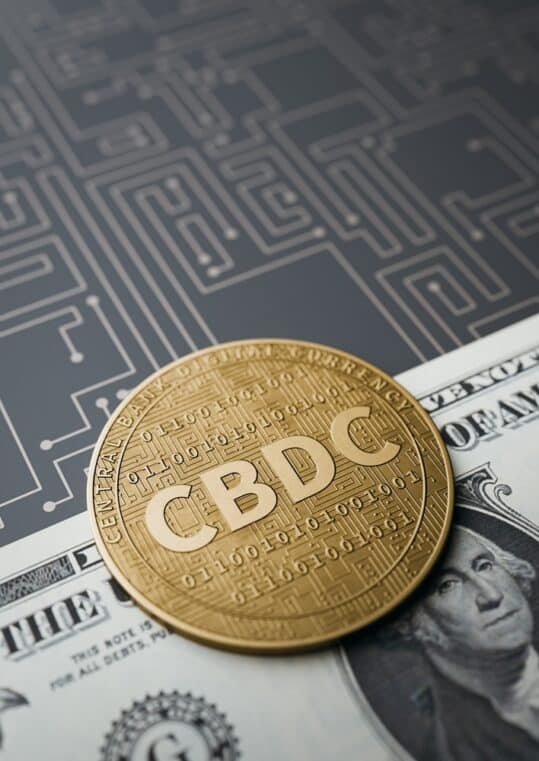
Behind the scenes, financial systems are evolving just as rapidly as the supply chain is breaking down. The rise of FedNow, the push toward central bank digital currencies (CBDCs), and the shift toward programmable money all point in one direction: increased control over how, when, and where you can use your own money.
This is where most people get blindsided.
If you want to understand how these pieces fit together—and more importantly, how to protect your financial autonomy—you need to get ahead of it now.
Download the Digital Dollar Reset Guide by Bill Brocius.
It breaks down what’s coming and gives you a clear, actionable strategy to prepare before these systems are fully locked in.
This isn’t optional reading. It’s survival intelligence.