Gold’s Dropped 11% Since the Iran War Shock: Yet the Smart Money Is Quietly Loading Up Before the Next Surge

Gold Prices Drop 11%—But That’s Not the Real Story
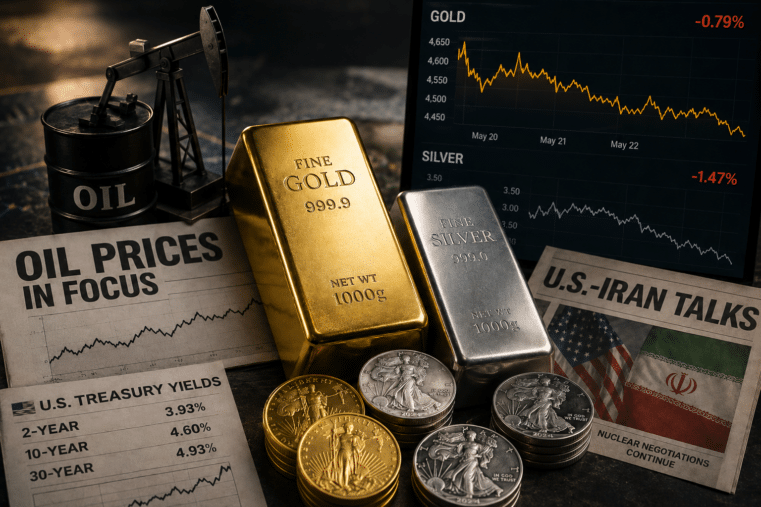
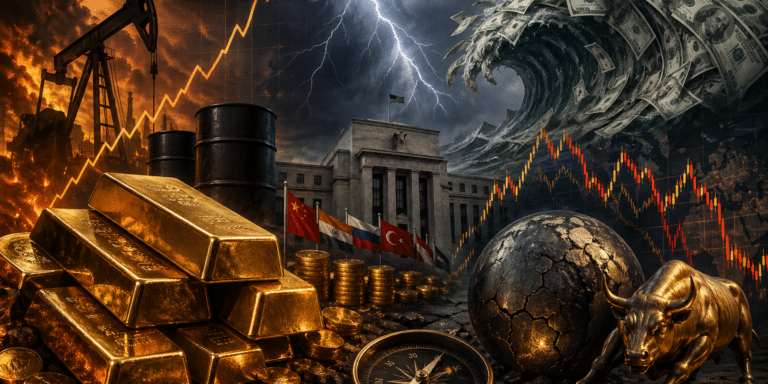
Gold’s recent 11% decline since the onset of the Iran conflict has a lot of casual observers scratching their heads. Isn’t gold supposed to rise during geopolitical chaos?
It did—briefly.
Then reality kicked in.

What we’re seeing isn’t a failure of gold. It’s a classic liquidity crunch. When markets panic, everything gets sold—stocks, metals, even so-called safe havens—as institutions scramble for cash. This isn’t new. It’s how fragile the system really is.
And if you’ve been around long enough, you know what usually comes next.
Oil Surge After Gold Price Drop Changes the Economic Outlook
While gold pulled back, oil told a very different story.
Brent crude has surged roughly 49% since the conflict began, pushing well above $100 a barrel. That kind of energy shock doesn’t just hit the gas pump—it ripples across the entire global economy.
Why This Matters:
- Higher energy costs = higher production costs
- Higher production costs = persistent inflation
- Persistent inflation = pressure on central banks
- Central bank pressure = tighter monetary policy
And tighter policy in a slowing economy? That’s a dangerous mix.
Slowing GDP Growth Is Fuel for Gold’s Next Move
Here’s where things get interesting.
Rising oil prices are expected to drag down GDP growth in the coming quarters. That’s not speculation—it’s economic gravity. Energy is the backbone of industrial output, transportation, and supply chains.
When energy gets expensive, growth stalls.
And when growth stalls while inflation remains elevated, you enter a scenario economists dread: stagflation.
That’s historically one of the strongest environments for gold.
The Real Driver: Monetary Policy and Money Printing
Let’s cut through the polite language.
The U.S. is running multi-trillion-dollar deficits with no real plan to rein them in. That means one thing: more debt issuance, more liquidity injections, and ultimately, more currency dilution.
Gold doesn’t respond to headlines—it responds to monetary reality.
And that reality hasn’t changed:
- Debt is exploding
- Currency purchasing power is eroding
- Central banks are cornered
Even after its pullback, gold is still up over 8% this year—and that’s after a massive 60% run in the previous year.
That’s not weakness. That’s consolidation.
Market Volatility Isn’t a Bug—It’s the System
If the recent swings in gold feel chaotic, that’s because they are.
But not randomly.
Western institutional money has flooded into the gold market over the past year, bringing with it high-frequency trading, leverage, and short-term speculation. That changes the game.
You now have:
- Faster rallies
- Sharper corrections
- More emotional price action
Meanwhile, central banks—the steady, long-term buyers—are still accumulating, just at a slightly slower pace due to elevated prices.
Translation? The foundation is still there. The noise is just louder.
Central Banks and the Gold Price Drop: Still Buying, Just Slower
Despite some short-term selling from countries like Turkey and Russia, global central banks haven’t abandoned gold.
Far from it.
They’ve simply shifted from aggressive accumulation to strategic support.
And that matters.
Because when institutions tasked with preserving national wealth continue holding hard assets, it tells you something about their expectations for the future of fiat currency stability.
The Setup: A Market Waiting to Break
Right now, gold and silver are sitting in what can only be described as a pressure chamber.
On one side, you’ve got:
- Elevated oil prices
- Slowing economic growth
- Persistent inflation risks
On the other:
- Market volatility
- Interest rate uncertainty
- Short-term liquidity pressures
But once one of those pressures gives—especially if geopolitical tensions ease or monetary policy pivots—you could see a sharp, aggressive move upward.
This isn’t the end of the bull market.
It looks a lot more like the calm before the next leg higher.
My Take: This Is a Warning Shot, Not a Reversal
If you’re only watching price, you’re missing the signal.
Gold didn’t fall because the fundamentals broke.
It fell because the system is under strain.
And when systems strain, they reveal their weak points:
- Overleveraged markets
- Fragile supply chains
- Unsustainable fiscal policy
Gold is reacting to those pressures—not ignoring them.
So when you see a pullback like this, don’t just ask “Why is gold down?”
Ask:
“What’s breaking underneath the surface?”
Because that’s where the real story lives.
Final Warning: Don’t Ignore What This Signals About the Financial System
What’s happening in gold right now isn’t isolated—it’s a reflection of deeper structural stress in the global economy.
Energy shocks, slowing growth, and relentless money creation aren’t temporary glitches. They’re symptoms of a system being pushed to its limits.
And while most people are distracted by short-term price moves, the long-term shift is already underway.
If you’re paying attention, you know this isn’t just about metals—it’s about control, access, and the future of your financial independence.
That’s why understanding what’s coming next is critical.
Act Now: Prepare for the Financial Shift Before It’s Too Late
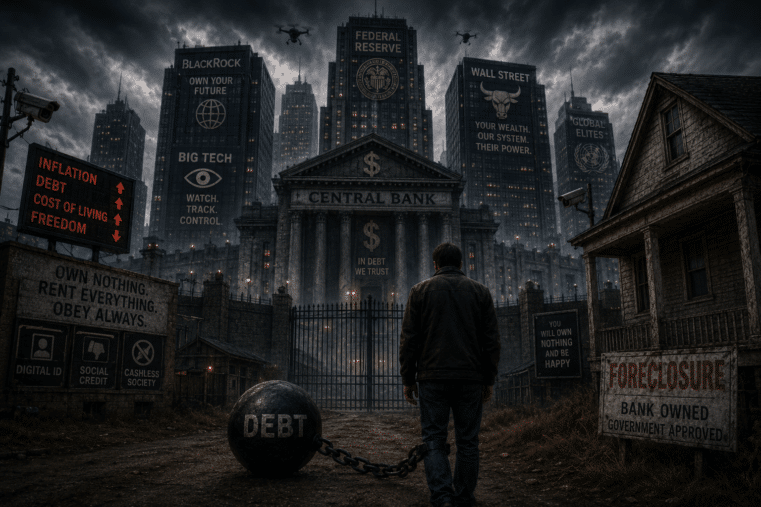
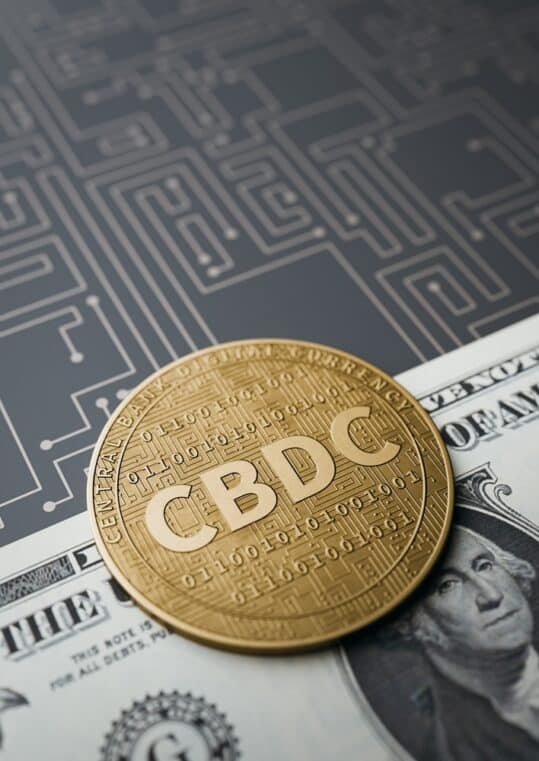
The financial system is evolving fast—toward centralized control, increased surveillance, and programmable money systems tied to platforms like FedNow and emerging central bank digital currencies.
If you think recent volatility is random, think again.
This is the early phase of a much larger transformation.
You need to understand what’s coming—and how to protect yourself.
Download the Digital Dollar Reset Guide by Bill Brocius Now
This isn’t optional reading. It’s critical intelligence for anyone serious about maintaining financial autonomy in a rapidly changing system.
Get informed. Get prepared. Or get left behind.