
Why Economics in One Lesson Is the Book Everyone Needs Right Now

Every so often, a book comes along that cuts through the noise and exposes the economic absurdities we’re told to accept as fact. Henry Hazlitt’s Economics in One Lesson does just that — with the precision of a scalpel and the punch of a heavyweight champion. If you’ve ever found yourself shaking your head at the latest political promises of “free” this or “stimulus” that, this book is your intellectual ammo.
Hazlitt’s work is a cornerstone for anyone tired of being spoon-fed Keynesian delusions or economic half-truths from media pundits and politicians alike. Published in 1946, Economics in One Lesson remains as relevant today as it was when governments first began weaponizing deficit spending. It’s not just a book; it’s a survival manual for those who want to make sense of the chaos.
The Lesson That Changes Everything
At the heart of Hazlitt’s argument is his titular “One Lesson”: a good economist examines the long-term consequences of a policy for everyone, not just the immediate, visible effects for a select few.

It’s such an obvious idea that you’d think it was common sense. And yet, it’s precisely the principle that most politicians and central planners deliberately ignore. Why? Because acknowledging the long-term consequences of their schemes would expose the economic shell games they’re running.
Hazlitt shows how policies that look like “solutions” — think bailouts, subsidies, or massive public works — are often nothing more than expensive distractions. They address surface-level symptoms while leaving the root causes of economic dysfunction to fester.
Smashing the Broken Window Fallacy
One of Hazlitt’s most iconic takedowns is the “Broken Window Fallacy.” It’s a concept as old as time: destruction drives economic activity. How often do we hear about the supposed economic “benefits” of rebuilding after natural disasters or riots?
Hazlitt obliterates this fallacy with ruthless logic. Sure, repairing a broken window puts money in the glazier’s pocket. But what’s unseen is the opportunity cost — what else that money could have been spent on. Instead of creating new wealth, the broken window simply reallocates resources to replace what was lost. It’s not growth; it’s stagnation dressed up as activity.
So, the next time a politician or pundit suggests that destruction is somehow good for the economy, remember: that logic is about as sound as using a blowtorch to heat your home.
The Public Works Scam
Another favorite target of Hazlitt’s is the myth of government-funded public works as a driver of economic prosperity. Roads and bridges are important, sure, but what Hazlitt exposes is the sleight of hand involved in selling these projects as “free” growth engines.
Government projects are funded by taxes, which means the money was taken from individuals and businesses who could have invested it elsewhere. Instead of allowing the free market to allocate resources efficiently, public works programs often turn into boondoggles that benefit political cronies while leaving taxpayers poorer.
Hazlitt’s critique is as timely as ever in an era where trillion-dollar infrastructure bills are touted as economic saviors.
The Myth of Job-Killing Machines
Technological innovation has always sparked fears of job loss. From the Luddites smashing looms in the 19th century to modern fears of AI taking over industries, the story is the same: people mistake progress for peril.
Hazlitt demolishes this myth with ease, explaining that machines don’t destroy jobs; they reallocate them. By increasing productivity and reducing costs, technology frees up resources for new industries to emerge. The result? A richer, more dynamic economy.
The real threat isn’t automation; it’s the economic ignorance of those who oppose it.
The Tariff Trap
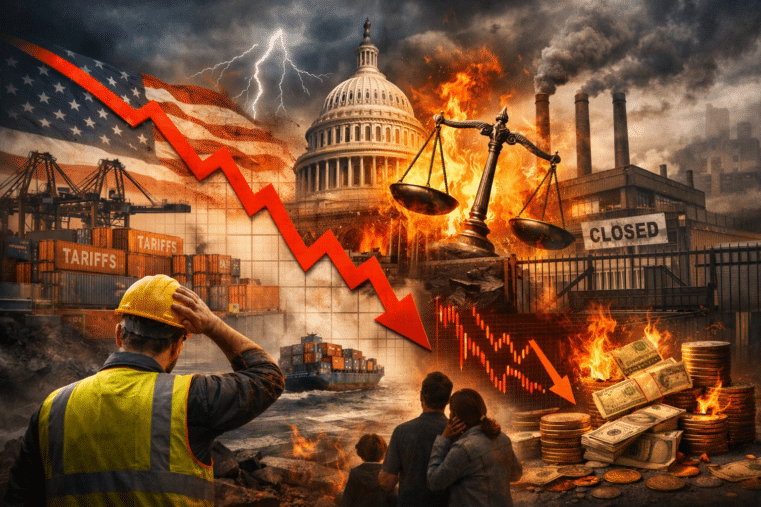
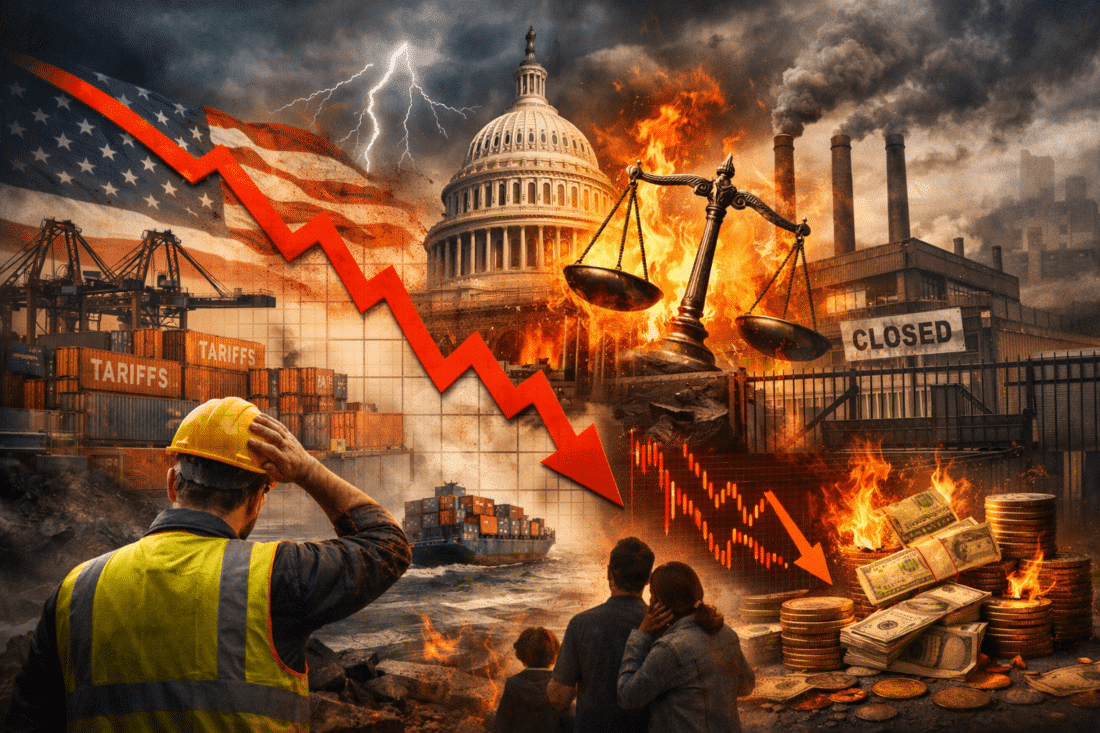
One of Hazlitt’s sharpest critiques is reserved for tariffs. These taxes on imports are often sold as a way to “protect” domestic industries. In reality, they do more harm than good by driving up prices for consumers and shielding inefficient businesses from competition.
Tariffs might temporarily benefit a small group of producers, but they do so at the expense of the broader economy. Hazlitt’s verdict is clear: tariffs are a tax on everyone, and they stifle the very innovation and competition that make economies thrive.
Inflation: The Silent Thief
Inflation is one of the most misunderstood — and abused — economic phenomena. Hazlitt’s chapter on inflation is a masterclass in clarity. He explains how inflation isn’t a sign of prosperity but a hidden tax that erodes savings, distorts markets, and enables reckless government spending.
Politicians love inflation because it allows them to spend without raising taxes directly. But the cost is borne by everyday citizens as their purchasing power dwindles. Hazlitt pulls no punches: inflation is theft, plain and simple.
Why Profits Matter
In today’s world, “profit” has become a dirty word. Hazlitt pushes back, arguing that profits are essential for progress. They signal where resources should flow, reward risk-taking, and drive innovation. Without profits, economies stagnate, and societies falter.
It’s a timely reminder for anyone who’s ever railed against “greedy corporations” while happily enjoying the fruits of capitalist ingenuity.
Why You Need This Book
Hazlitt’s Economics in One Lesson isn’t just a book; it’s a toolkit for cutting through the lies and half-truths that dominate modern economic discourse. It arms you with the principles needed to see through the spin and understand what’s really at stake.
If you’re tired of watching governments mismanage your money, tired of inflation eroding your savings, and tired of being told that central planning is the answer, Hazlitt’s timeless wisdom is your antidote.
Ready to Take Action?
To safeguard your wealth in an era of economic chaos, download Bill Brocius’ free ebook, 7 Steps to Protect Your Account from Bank Failure. It’s a practical guide packed with actionable strategies to protect your financial future.
Don’t stop there. Subscribe to Bill’s Inner Circle newsletter for $19.95 and gain insider insights from one of the sharpest financial minds of our time. Or grab his book, End of Banking As You Know It, and learn how to navigate the coming economic storm.
Hazlitt taught us to think critically. Now, it’s time to act.