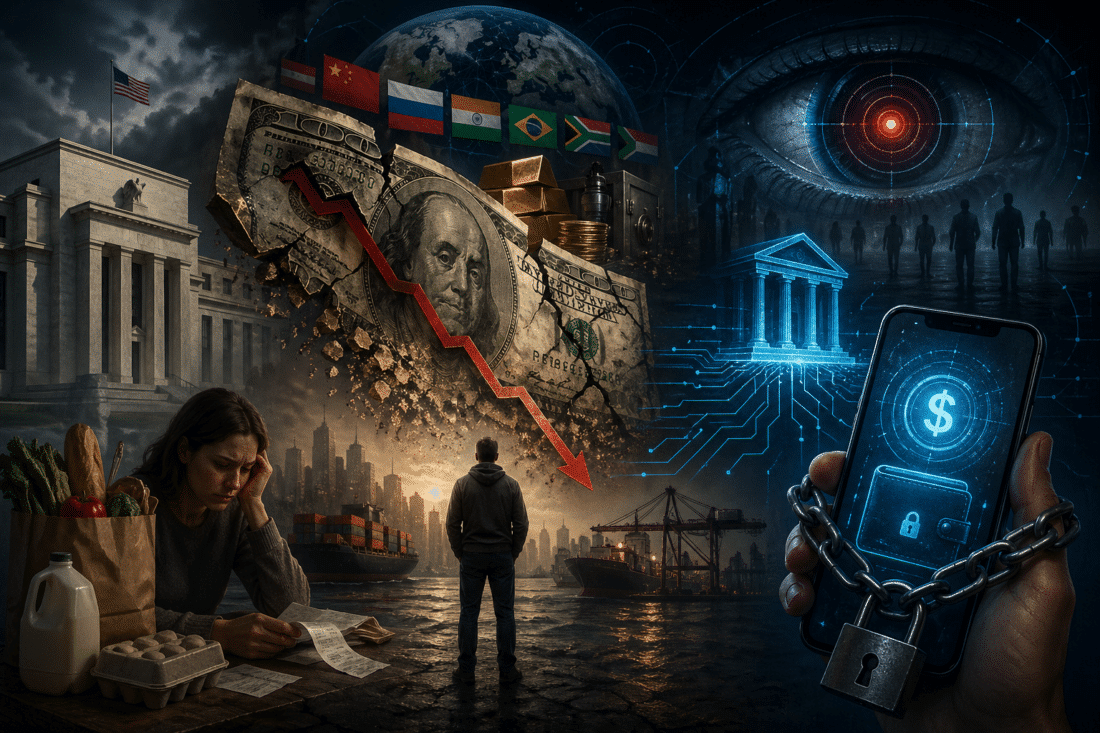

Are We Already in a Depression? The Data vs. Your Wallet

If you only listened to Washington, you’d think the U.S. economy was a prizefighter—tired, maybe, but still standing strong.
GDP? Still in the green.
Unemployment? “Near record lows.”
Inflation? “Cooling.”
And the big one: the “soft landing” story—where the Fed claims we’ll tame inflation without a real recession.
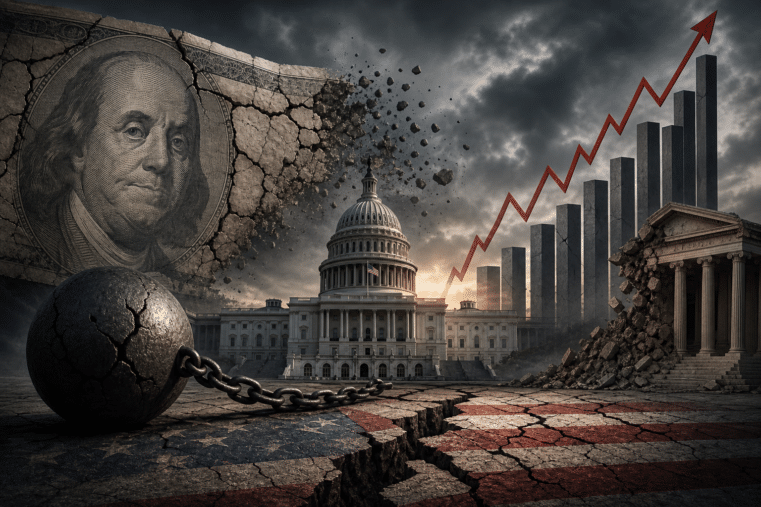
That’s the official narrative. But step outside the marble halls and into the grocery store, and the story changes fast. The truth? Millions of Americans are already living in what history will likely call a modern depression—even if the data hasn’t caught up yet.
The Red Flags Are Everywhere
1. Bankruptcies Are Exploding
- Households: Consumer bankruptcies are climbing at a pace we haven’t seen since 2008. Families are tapped out—credit cards maxed, savings gone.
- Businesses: Small and mid-sized firms are going under at alarming rates. Once they close, jobs vanish and local tax bases crumble.
- Retail Chains: From Bed Bath & Beyond to Party City, the national brands you grew up with are disappearing—and taking hundreds of stores with them.
2. America’s Storefronts Are Going Dark
In 2025 alone, over 120 million square feet of retail space has gone vacant—on track to break records.
Malls lose their anchor tenants, foot traffic dies, and the smaller shops follow them into the grave.

Here’s the kicker: a lot of these empty properties sit on the balance sheets of regional banks—the same fragile banks that nearly toppled last year. That’s a ticking time bomb for the financial system.
3. The Cost of Living is Crushing Households
- Grocery prices are still way above pre-pandemic levels.
- Housing—rent or mortgage—now eats up a historic share of take-home pay.
- Health insurance premiums climb faster than wages, year after year.
Official inflation numbers might look tame, but your wallet knows better.
Why the Stats Don’t Match Your Reality
The “good” economic numbers are like a photo with heavy filters—designed to smooth over the rough edges.
- GDP: A small quarterly uptick can hide deep recessions in certain regions or industries.
- Unemployment: The U-3 rate ignores millions who’ve stopped looking for work, and the underemployed scraping by on gig jobs.
- Inflation: CPI averages dilute the price shocks in essentials like food, fuel, and rent—the exact areas that hit lower-income families the hardest.
Why This Feels Like a Depression
We’re not seeing a 1930s-style collapse in GDP—yet. But the symptoms of a depression are here:
- Multi-year stagnation: No real income growth after inflation for most households.
- Asset depletion: Families are cashing out savings or going deeper into debt just to survive.
- Regional collapse: Entire industries—brick-and-mortar retail, small manufacturing—are in structural decline.
- Confidence erosion: Consumer sentiment surveys remain stubbornly pessimistic.
Some call it a Silent Depression—a slow, grinding downturn disguised by debt-fueled spending and inflated asset values. The moment credit dries up or bubbles pop, the weakness will be undeniable.
History’s Warning
In the early 1930s, officials insisted the economy was “turning the corner.” Then came waves of bank failures, bankruptcies, and social unrest.
Today, we’re facing:
- High household and corporate debt
- Fragile, undercapitalized banks
- Global strain from geopolitical tension and the rise of BRICS nations
The parallels aren’t comfortable.
The Bottom Line
The headlines say “resilient economy.”
Main Street says “we’re already in trouble.”
If you’re still trusting that the system will save you, you’re gambling with your future. The gap between official optimism and real-world pain is widening—and history shows how quickly that gap can turn into a chasm.
That’s why I put together my free guide: “7 Steps to Protect Your Account from Bank Failure.” You can grab it here.
And for those ready to go deeper, my Inner Circle gets the uncensored, in-depth strategies to safeguard assets and navigate what’s coming—for just $19.95/month. Join us here
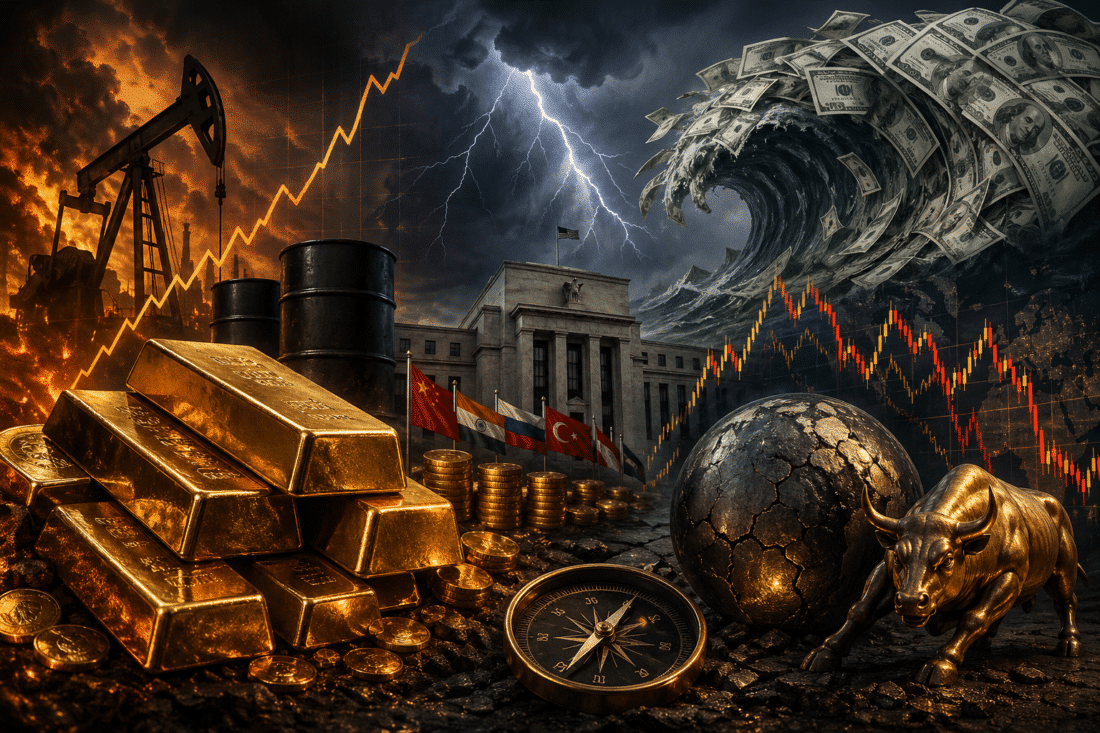
Because whether you call it a recession, a depression, or something else entirely—the storm has already started.