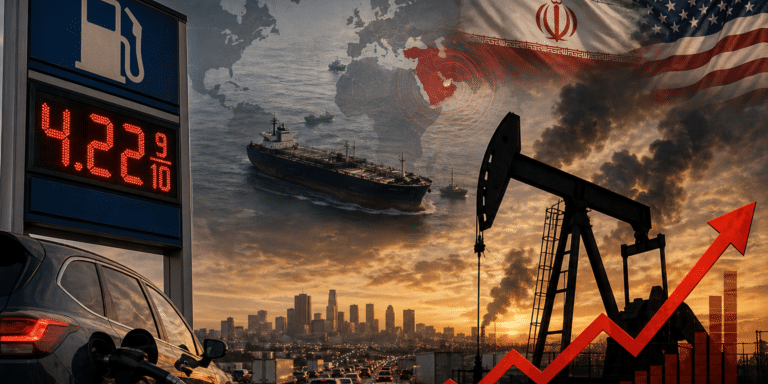
Gas Prices Spike in 2026 as Iran Conflict Escalates — What’s Really Driving the Surge?

Why Are Gas Prices Going Up in 2026?
The question millions of Americans are asking is simple: why are gas prices going up in 2026?
The national average for regular gas has climbed to $4.229 per gallon, driven by a mix of global instability and policy decisions.
Here are the core factors behind rising gas prices:

- Iran conflict and oil supply disruptions
- U.S. military blockade impacting key shipping routes
- Volatility in global energy markets
- Increased demand heading into summer months
When supply tightens and uncertainty rises, prices follow. Every time.
How the Strait of Hormuz Is Driving Gas Prices Higher
The Iran conflict’s impact on oil prices cannot be overstated.
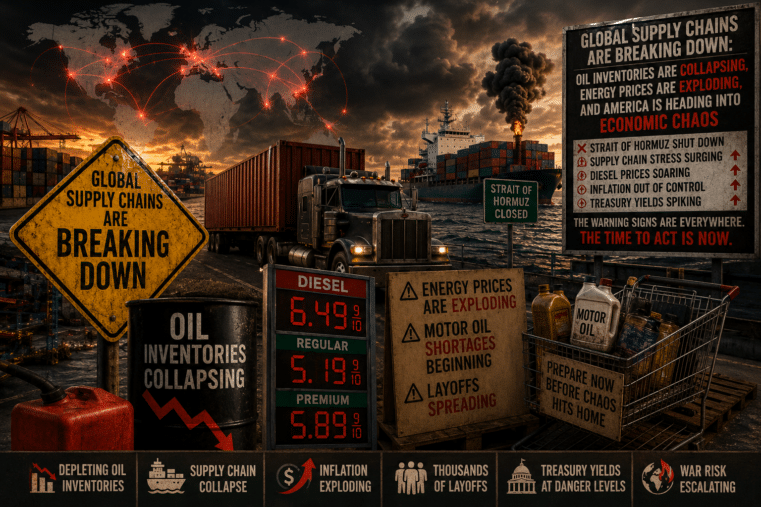
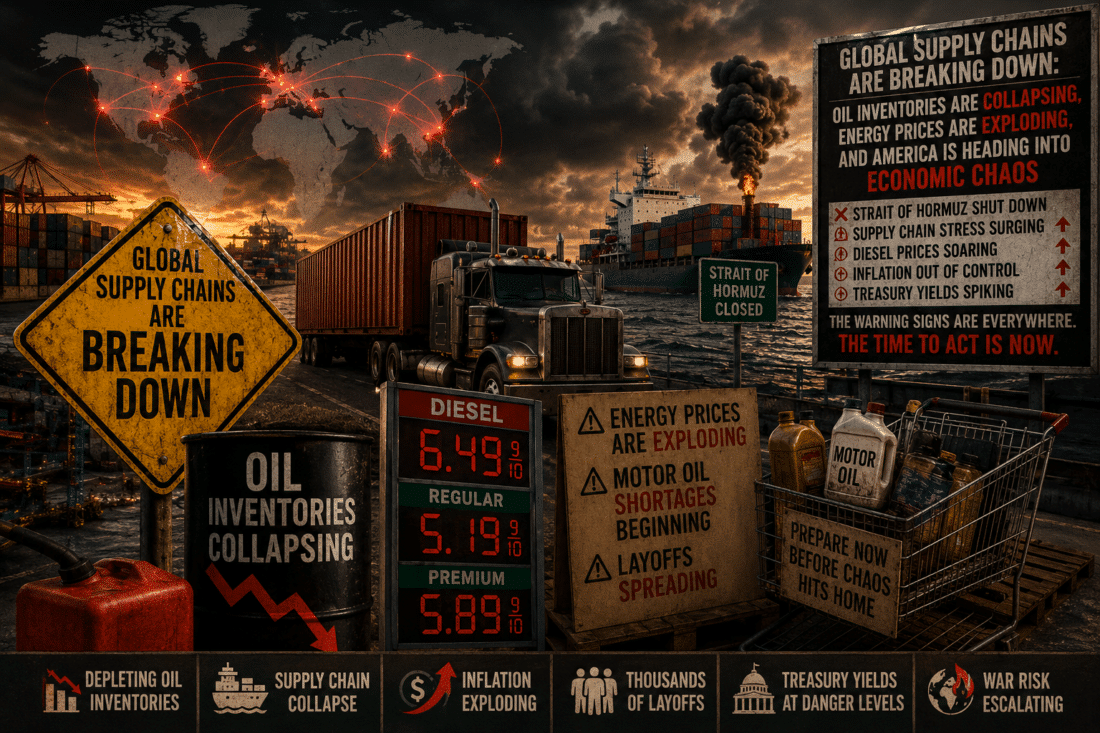
The Strait of Hormuz gas prices connection is critical, as this narrow shipping route handles roughly 20% of the world’s oil supply. When tensions disrupt traffic through the Strait, Strait of Hormuz gas prices spike quickly, sending shockwaves through global energy markets and directly impacting what Americans pay at the pump.
Current situation:
- U.S. enforcing a blockade on Iranian ports
- Increased geopolitical tension in the Middle East
- Traders reacting to potential supply shortages
This creates a ripple effect:
Less available oil → Higher crude prices → Higher gas prices for consumers
It’s not complicated. But it is costly.
Gas Prices Today vs 2022: Are We Headed Higher?
Many analysts are comparing gas prices today vs 2022, when prices peaked above $5 per gallon.
Current average: $4.229
2022 peak: $5.016
While today’s prices are lower, the trajectory is what matters.
Key concern:
- Prices are rising quickly during geopolitical instability
- Supply constraints remain unresolved
- Future escalation could push prices even higher
So the real question isn’t where prices are—it’s where they’re going next.
Impact of Rising Gas Prices on Americans and Small Businesses
The impact of rising gas prices on Americans is immediate and widespread.
Higher fuel costs affect:
- Truckers and logistics companies
- Small businesses with transportation needs
- Commuters and working families
- Food and retail prices nationwide
When fuel costs rise, everything else follows.
This is how inflation spreads across the economy—quietly but aggressively.
Energy Independence and U.S. Gas Prices
A major driver behind volatility is the lack of consistent energy independence in the U.S.
Despite having vast natural resources, the U.S. remains tied to global supply chains and foreign conflicts.
This leads to:
- Exposure to international crises
- Price spikes driven by overseas events
- Reduced control over domestic energy costs
Energy policy matters. And right now, global instability is setting the price—not American production alone.
Strait of Hormuz Gas Prices Forecast for 2026
Looking ahead, the gas price forecast for 2026 depends heavily on one factor: stability.
If tensions ease:
- Oil supply stabilizes
- Prices may decline gradually
If tensions escalate:
- Supply disruptions worsen
- Prices could spike toward previous highs
Markets hate uncertainty. And right now, uncertainty is in full supply.
The Bottom Line on Gas Prices and the Iran Conflict
Gas prices in 2026 are rising because of a clear chain reaction:
Geopolitical conflict → Oil supply disruption → Higher fuel costs
Americans are feeling it at the pump, and the situation remains fluid.
Understanding what’s driving these changes is critical—not just for today, but for what comes next.
Stay Ahead of the Economic Shifts
Moments like this separate those who react from those who prepare.
For deeper insights, real-time analysis, and strategies to navigate rising costs and economic uncertainty, join the Inner Circle today.