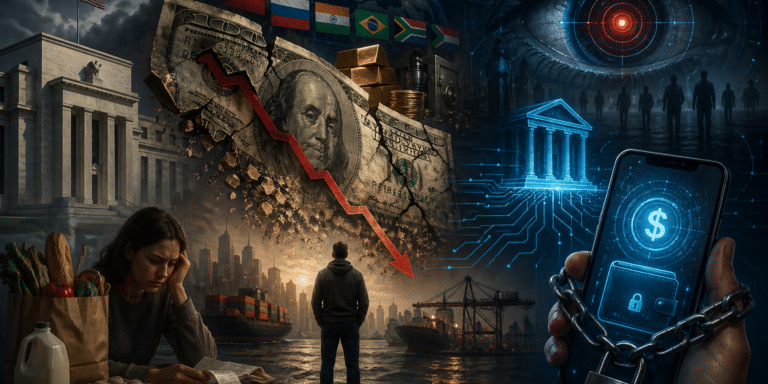
Digital Dollar Collapse? De-Dollarization, FedNow, and the Quiet Rise of CBDCs Threatening Your Financial Freedom

Digital Dollar Risks Are Already Hitting Your Cost of Living
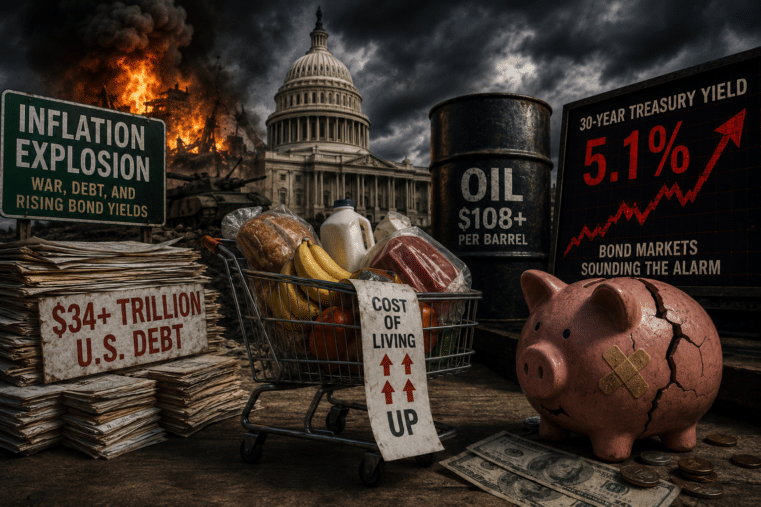
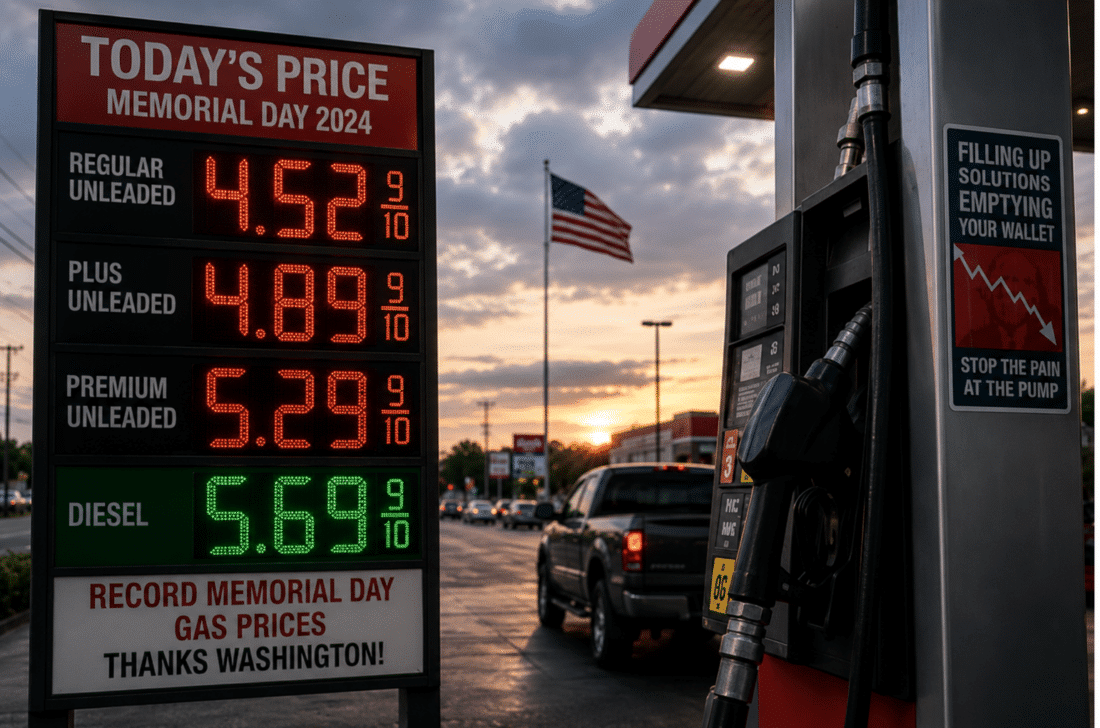
You don’t need a government report to tell you something’s off. Groceries cost more. Rent is relentless. Savings don’t stretch like they used to.
This isn’t just inflation—it’s a structural squeeze.
When prices rise faster than wages, and essentials eat up more of your income, what you’re experiencing isn’t just “economic conditions.” It’s a measurable loss of financial autonomy. The system is tightening, slowly but deliberately.

And here’s where it gets uncomfortable: this isn’t just happening inside U.S. borders.
De-Dollarization: The Global Shift They Hope You Ignore
Across the world, countries are making moves—quietly reducing reliance on the U.S. dollar in trade and finance.
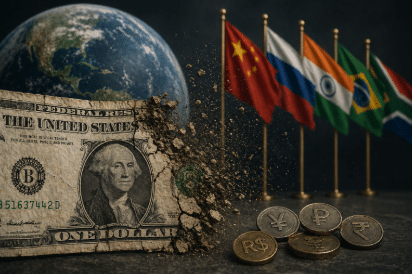
Call it what it is: de-dollarization.
Nations are forming bilateral trade agreements in local currencies. Central banks are stockpiling gold. Alternative payment systems are being built to bypass U.S.-controlled financial rails.
Why does that matter to you?
Because the dollar’s global dominance has long acted as a buffer. It kept import costs lower and demand for U.S. currency high. If that demand weakens, the consequences don’t stay overseas.
A Weaker Dollar Means a More Expensive Life
Here’s the chain reaction:
- Reduced global demand for the dollar → weaker currency
- Weaker currency → more expensive imports
- More expensive imports → higher prices at home
That’s not theory—that’s economic gravity.
Everything from electronics to fuel to food becomes more expensive when the dollar loses strength. And since the U.S. relies heavily on imports, the impact hits fast and spreads wide.
This is how global monetary shifts quietly erode your purchasing power.
FedNow and CBDCs: The Infrastructure for Total Financial Surveillance
While your dollar is being pressured externally, something else is happening internally.
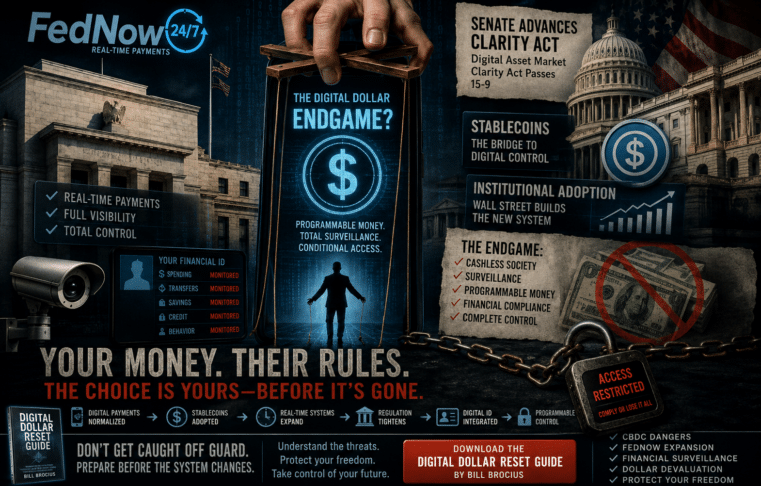
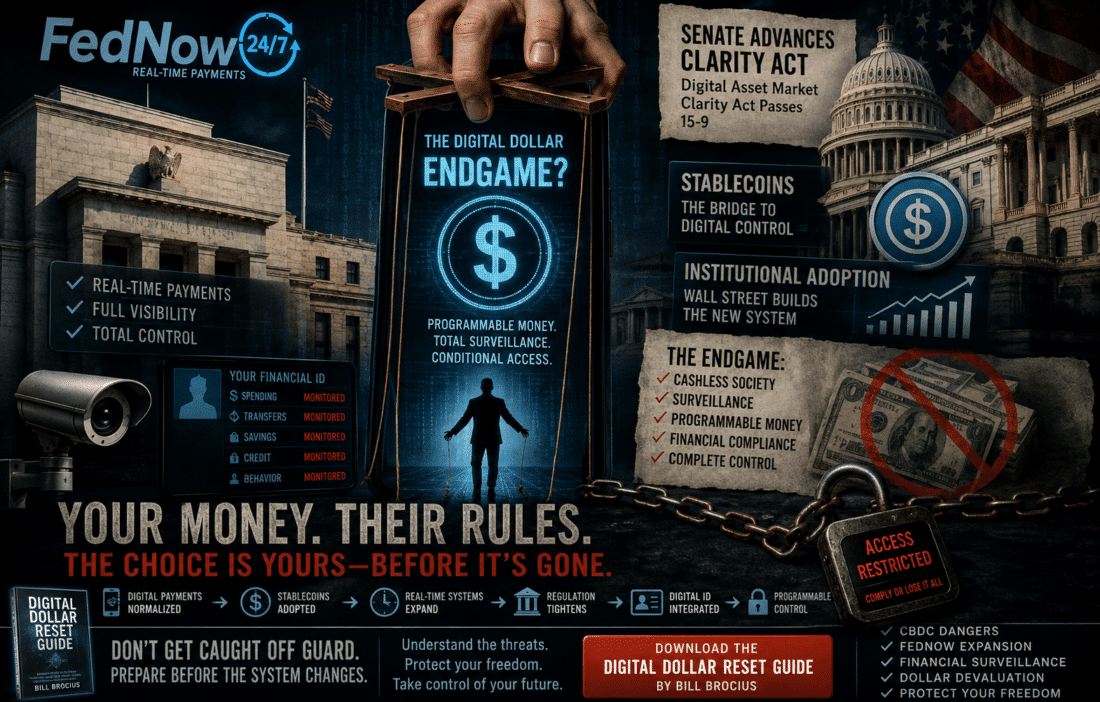
The rollout of the FedNow payment system isn’t just about faster payments—it’s about control infrastructure.
Pair that with the growing push for central bank digital currencies (CBDCs), and you start to see the full picture:
- Real-time transaction monitoring
- Programmable money with built-in restrictions
- Centralized control over how, when, and where you spend
This isn’t speculation. Governments worldwide are actively testing CBDCs, with narratives centered around “efficiency” and “financial inclusion.”
But efficiency for who?
A system where money can be programmed is a system where behavior can be controlled.
From Inflation to Control: How Digital Dollar Risks Are Expanding
Most people see rising prices and think: bad economy.
What they don’t see is how it all connects:
- Inflation reduces your financial flexibility
- A weaker dollar amplifies the pressure
- Digital payment systems centralize financial activity
- CBDCs introduce programmable restrictions
This is how you move from a free-market system to a monitored, controlled financial environment—without ever announcing it outright.
A slow transition. Quiet rollout.
The Cashless Society and the Rise of Digital Dollar Risks
The push toward a cashless society is being framed as convenience.
No cash, no friction, no problem—right?
Wrong.
Cash is anonymous. Cash is independent. Cash doesn’t require permission.
Once physical currency is phased out, every transaction becomes data. Every purchase becomes trackable. Every dollar becomes conditional.
That’s not innovation—that’s surveillance.
Why You Feel Poorer (And Why You’re Not Wrong)
Let’s cut through the noise.
You feel poorer because:
- Your money buys less
- Your expenses are less flexible
- Your margin for error is shrinking
That’s not psychological—it’s mathematical.
The modern cost-of-living crisis isn’t about losing income. It’s about losing breathing room.
And when you combine that with global de-dollarization and the rise of digital currency control systems, you’re looking at a long-term erosion of financial sovereignty.
The Bottom Line: This Is Bigger Than Inflation
What’s happening right now is not just an economic cycle—it’s a systemic shift.
- The dollar’s global dominance is being challenged
- Domestic purchasing power is declining
- Digital financial infrastructure is expanding
- Control mechanisms are being normalized
You’re not imagining it. The pressure is real—and it’s coming from multiple directions at once.
What You Do Next Matters
You’ve got two choices:
Ignore the warning signs and hope the system corrects itself…
Or recognize the pattern early and prepare accordingly.
Because once programmable money becomes the standard, adapting will be a lot harder than preparing.
Mandatory Intelligence: The Digital Dollar Reset Guide
If you’re starting to see where this is going, then you already understand this isn’t optional.
You need a plan.
The Digital Dollar Reset Guide by Bill Brocius lays out exactly what’s coming with FedNow, CBDCs, and the broader shift toward centralized financial control—and more importantly, what you can do about it.
This isn’t theory. It’s preparedness.
Because by the time it’s obvious to everyone, it’ll already be too late.