
BRICS Pay Shockwave: The Dollar-Dominance Warning Americans Should Pay Attention To

BRICS Expansion Is a Direct Challenge to Dollar Dominance
For decades, the U.S. dollar sat on the throne of global trade.
Oil, commodities, debt, reserves, cross-border payments—the dollar was the toll booth. Everyone had to pass through it. That gave Washington enormous leverage: cheaper borrowing, geopolitical power, sanctions muscle, and the ability to export inflation while the rest of the world kept buying dollars.
Now BRICS is trying to crack that machine open.

The bloc expanded in 2024 to include Egypt, Ethiopia, Iran, and the United Arab Emirates, while more countries continue circling the project as BRICS pushes deeper into payment systems and trade settlement alternatives.
This is not just “emerging markets cooperation.” That is the polite language. The real story is simpler:
A growing share of the world wants fewer dollars in the pipeline.
The SWIFT Bypass Is the Real Story
The Western financial system runs on infrastructure. Not slogans. Not flags. Infrastructure.
SWIFT has long been the messaging network behind international bank transfers. It does not move the money itself, but it tells banks how to move it. That makes it strategically powerful.
BRICS nations have been discussing and developing cross-border payment alternatives designed to make transactions faster, cheaper, and less dependent on Western-controlled rails. The BRICS Cross-Border Payments Initiative has focused on interoperability between national payment systems and more local-currency settlement.
That matters because payment systems are power systems.
Control the rails, and you control who trades, who gets punished, who gets isolated, and who gets access.
BRICS wants its own rails.
Why BRICS Local Currency Trade Reduces Global Demand for Dollars
The dollar’s strength depends partly on global demand. Countries need dollars to buy commodities, settle trade, service debt, and hold reserves.
But if China trades with Brazil in yuan and reais…
If India buys oil using rupees…
If Russia and Iran settle outside the dollar…
If Gulf energy producers accept more non-dollar settlement…
Then the dollar loses some of its automatic bid.
That does not mean the dollar collapses overnight. Anyone selling that fairy tale is either lazy or running a fear racket.
But it does mean the old system is changing.
Some BRICS-focused analysis claims local currencies already account for a large share of trade between member states, though implementation remains uneven because members have different political systems, banking rules, and economic interests.
Translation: this is messy, but it is moving.
Gold Is Back Because Trust Is Breaking
Gold is not a conspiracy theory. It is a vote of no confidence.
When governments distrust each other’s currencies, sanctions policies, debt loads, and central banks, they go looking for something that does not require a bureaucrat’s promise.
That is why gold keeps returning to the conversation around BRICS settlement systems.
Gold-linked trade mechanisms are being explored because they offer something paper currencies do not: neutrality. Not perfect neutrality. Not magic. But a hard-asset anchor in a world drowning in debt and political risk.
When nations start asking how to settle trade without holding dollars, gold naturally walks back into the room.
Commodity Pricing Could Be the Next Battlefield
This is where Americans need to pay attention.
If major commodity exporters and importers increasingly settle in non-dollar currencies, commodity pricing could start fragmenting.
Oil, gas, metals, grain, rare earths—these markets have historically leaned heavily on dollar pricing. But BRICS has openly discussed broader commodity and trade mechanisms outside traditional Western dominance.
That could create a more divided global pricing system.
One price for the dollar zone.
Another set of arrangements for BRICS-aligned trade.
More volatility.
More currency hedging.
More political risk baked into everyday goods.
And who gets hit first?
The consumer.
Always.
What This Means for Americans Holding U.S. Dollars
Here is the part the television economists will soften with charts and soothing language.
If global dollar demand weakens over time, Americans could face:
Higher Import Costs
A weaker dollar makes imported goods more expensive. Electronics, clothing, machinery, medicine ingredients, energy inputs—it all gets pricier.
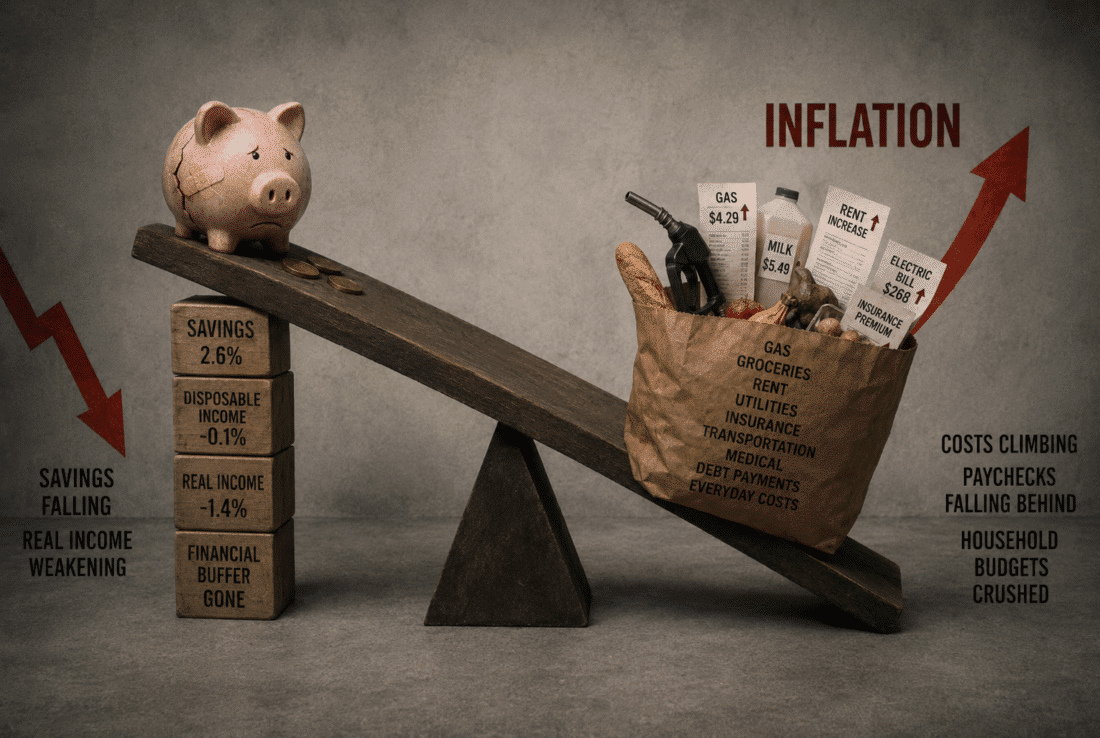
More Inflation Pressure
If fewer countries need to hold dollars, Washington loses some room to print, borrow, and spend without consequences landing at home.
Higher Interest Rates Over Time
The U.S. government depends on deep demand for Treasury debt. If reserve managers diversify more aggressively, borrowing costs can rise.
Less Geopolitical Leverage
Sanctions work best when everyone needs the same financial pipes. Alternative systems reduce that leverage.
A More Fragmented Global Economy
The old model was dollar-centered globalization. The new model may be bloc-based trade, parallel payment networks, and regional currency alliances.
That means more instability for investors, savers, workers, and business owners.
The Dollar Is Not Dead—But Its Monopoly Is Under Attack
Let’s be clear.
The U.S. dollar is still deeply entrenched. It has unmatched liquidity, massive bond markets, military backing, institutional depth, and global familiarity.
BRICS has problems: internal rivalries, currency instability, trust gaps, capital controls, and competing national agendas. Even analysts skeptical of de-dollarization admit the dollar will not be easily replaced.
But Americans make a dangerous mistake when they confuse “not dead” with “untouchable.”
The dollar does not need to die for your cost of living to get worse.
It only needs to lose enough privilege.
The Real Warning: America Is Being Forced Into a New Monetary Era
The BRICS strategy is not one single knockout punch.
It is a slow bleed.
Local currency trade.
Alternative payment networks.
Gold-linked settlement.
Commodity repricing.
Reserve diversification.
More countries asking, “Why should one nation control the financial plumbing?”
That question is now out in the open.
And once the world starts asking it, the old order is already wounded.
Why Americans Should Not Assume Dollar Dominance Is Permanent
Americans have been trained to think the dollar is permanent.
It is not.
It is a tool. A powerful tool. But still a tool.
And tools break when abused.
Washington abused the dollar with endless deficits, reckless monetary policy, sanctions overreach, bailouts, debt addiction, and the smug assumption that the rest of the world had no choice.
Now BRICS is trying to build the choice.
Maybe they succeed completely.
Maybe they only succeed partially.
Either way, the message is the same:
You need to understand what is happening before it hits your bank account, your grocery bill, your retirement plan, and your freedom to transact.
Final Warning: How the BRICS Pay Strategy Could Impact Your Financial Future
The BRICS payment push is not just about Russia, China, India, oil, or gold.
It is about whether the U.S. dollar remains the unquestioned operating system of global commerce.
That system is being challenged.
Quietly.
Deliberately.
And faster than most Americans are prepared to admit.
While the media feeds you noise, the financial architecture underneath your life is being redesigned.
Pay attention.
Protect Yourself Before the Next Financial System Locks Into Place
BRICS is building outside the dollar system. At home, Americans are being pushed toward tighter financial monitoring through tools like FedNow, future CBDC frameworks, and the broader Digital Dollar Reset agenda.
That is the squeeze: foreign powers weakening dollar dominance from the outside, while domestic planners tighten control from the inside.