Fertilizer Shock Exposed: The Price Signal Governments Want to Silence Before It Forces a Reckoning

The “Crisis” Isn’t the Problem—It’s the Message
Markets don’t panic. Politicians do.
What’s happening with fertilizer, energy, and food prices right now isn’t random, and it’s not mysterious. Supply got tighter. Demand didn’t. Prices moved. That’s it.
That’s how the system talks.

But the moment prices start making people uncomfortable, the language changes. Suddenly it’s a “crisis.” And once that label gets slapped on, it opens the door for intervention.
That’s usually where things start going sideways.
Price Signals: The One Thing Nobody in Power Wants to Hear
Milton Friedman had this figured out decades ago—prices aren’t the problem, they’re the feedback loop.
When fertilizer prices spike, three things happen whether anyone likes it or not:
- People start using less
- Producers start looking for ways to make more
- Money starts flowing toward solving the shortage
No committee required. No emergency policy meeting. It just happens.
But if you step in and muffle that signal—cap prices, distort incentives—you’re not fixing anything. You’re just cutting the wires and hoping the alarm stops ringing.
Modern Agriculture Is Built on a Tightrope
The system works—but it’s stretched thin.
Nitrogen fertilizer depends heavily on natural gas. A big chunk of that supply runs through regions that aren’t exactly stable. When something goes wrong there, it doesn’t stay local—it ripples out fast.
Prices jump because they have to. That’s the system adjusting in real time.
What that price jump is really saying is: this setup is more fragile than we like to admit.
But instead of dealing with that reality, the instinct is to smooth it over.
Intervention: Same Playbook, Same Outcome
We’ve seen this movie before.
Price controls. Export bans. Subsidies that sound helpful but twist incentives. Rationing.
It always starts with good intentions and ends the same way:
- Producers back off because it’s no longer worth it
- Supply gets tighter, not looser
- Shortages show up
- Black markets fill the gap
- Authorities respond with even more control
It’s not complicated. It’s just ignored.
Efficiency Turned Into Dependency
Global agriculture is incredibly efficient. That’s the upside.
The downside? It’s concentrated.
A handful of regions dominate fertilizer production. Key materials move through narrow chokepoints. A lot of countries are one disruption away from a serious problem.
That’s not resilience—that’s exposure.
So when something breaks, there’s no cushion. Prices spike because the system doesn’t have much give in it.
Again—that’s not failure. That’s the signal doing its job.
Why Some Countries Get Hit Harder
Not everyone feels this equally—and that’s not an accident.
Countries with strong currencies and capital can absorb higher costs. Others can’t. When prices jump, they’re forced into hard trade-offs—pay more or produce less.
That gap isn’t created by markets. It’s been there the whole time.
The problem is, when governments step in to “fix” it, they often end up exporting the damage elsewhere.
The Monetary Side Nobody Wants to Talk About
Here’s where things really start to connect.
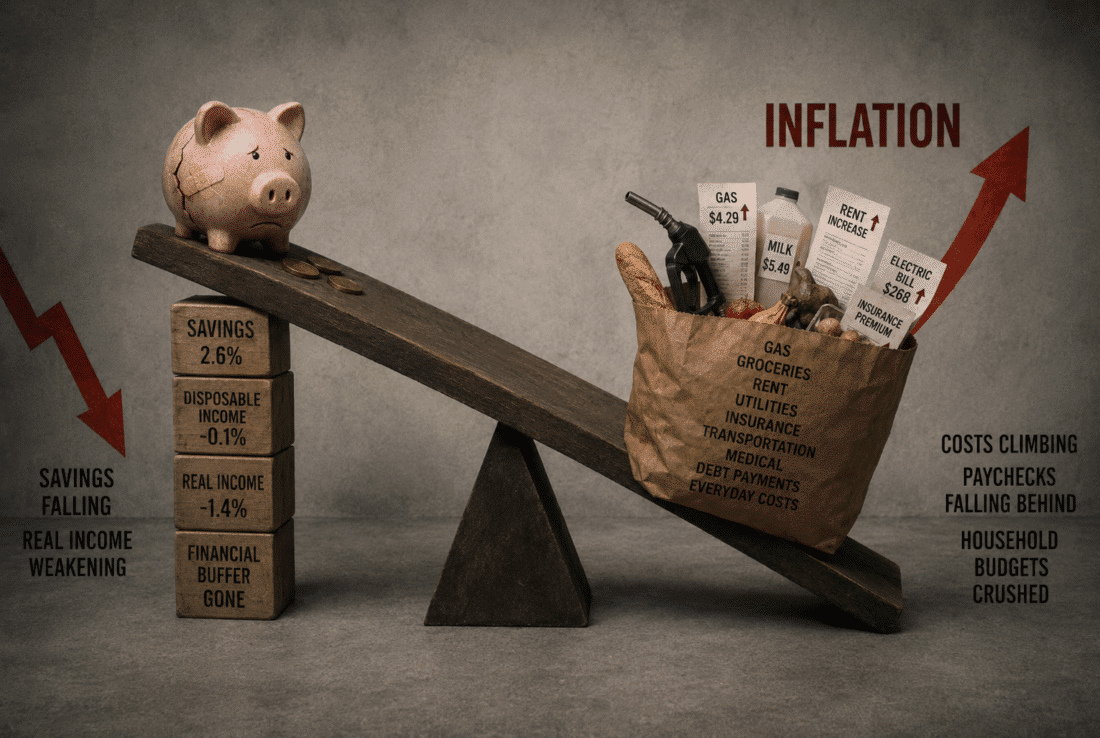
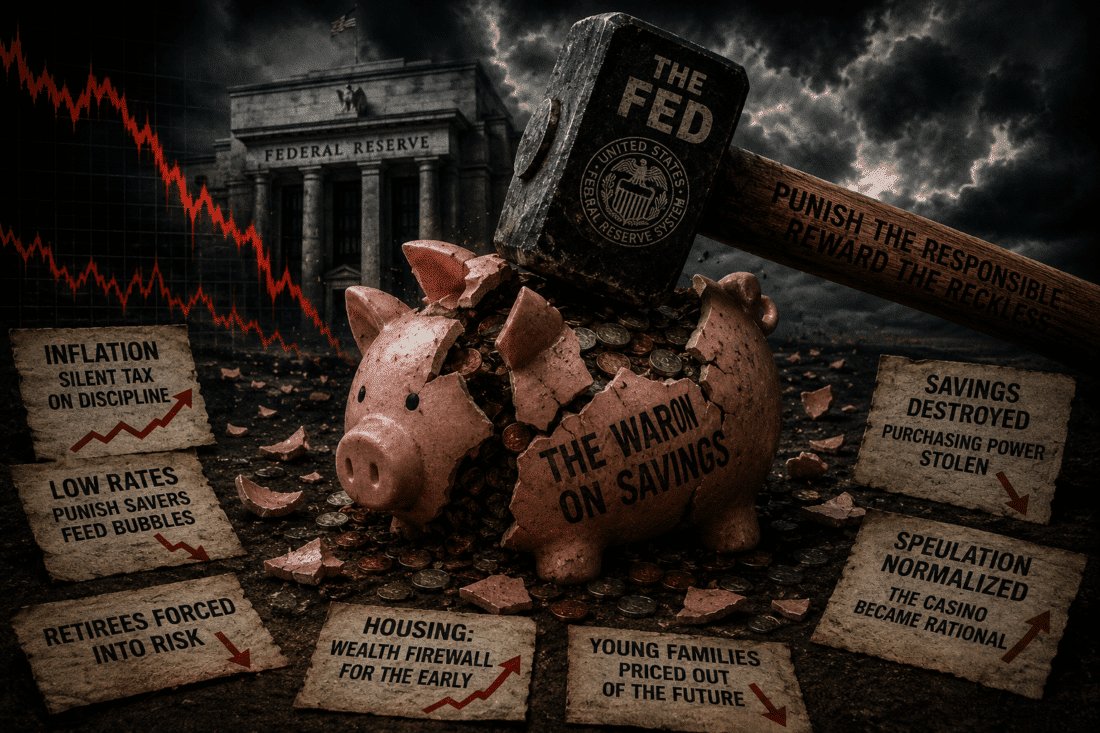
This isn’t just about fertilizer. It’s about the money system sitting underneath all of it.
Years of expanding the money supply didn’t magically create more resources. It just pushed more demand into a system that was already tight.
So when a real supply shock hits—like disruptions in fertilizer inputs—the reaction isn’t subtle.
Prices don’t just rise. They lurch.
Friedman’s point still holds: inflation isn’t random. It’s tied to money.
And when that monetary pressure meets real-world scarcity, you get exactly what we’re seeing now.
The Real Risk Isn’t High Prices
High prices are uncomfortable. But they serve a purpose.
The real risk is what happens when those prices get suppressed.
Because when you block the signal, you don’t eliminate the problem—you hide it.
And hidden problems don’t stay small. They build. Quietly, at first. Then all at once.
What Actually Helps (Even If Nobody Likes It)
There’s no clean way through this.
Let prices move.
Make it easier—not harder—to produce.
Let people adapt, substitute, innovate.
That’s how systems recover.
Trying to skip that process usually just drags things out—and makes the end result worse.
Final Word: This Is Bigger Than Fertilizer
What you’re looking at isn’t just a supply issue.
It’s a stress test.
Do we let systems adjust the way they’re designed to? Or do we step in, override the signals, and deal with the consequences later?
Because that choice doesn’t just affect fertilizer.
It affects everything downstream from it.
The Move You Can’t Afford to Ignore
If you’re paying attention, you can see the pattern forming:
Supply shocks. Monetary expansion. Policy overreach. More control layered in each time.
This doesn’t stay contained. It spreads—into food, energy, and eventually into how transactions themselves are handled.
Most people won’t see it coming until it’s already in place.
If you want to understand where this is heading—and how to stay ahead of it—you need to get informed now, not later.
Download the Digital Dollar Reset Guide by Bill Brocius Here
This is the kind of information you want before the rules change—not after.