Inflation Shock Incoming: War, Oil Disruptions, and the Economic Storm They’re Not Fully Explaining

The Warning Shot: Inflation Isn’t Done Yet
Jamie Dimon isn’t known for panic. When a guy sitting at the top of the largest U.S. bank starts talking about “stickier inflation” and rising interest rates, you pay attention.
The core message? The inflation fight isn’t over—and it might be about to reverse direction.
We’re being told inflation would gradually ease into 2026. But now, with escalating conflict in Iran, that timeline is looking shaky at best. Oil shocks, disrupted shipping lanes, and global supply chain stress aren’t theoretical risks—they’re already unfolding.

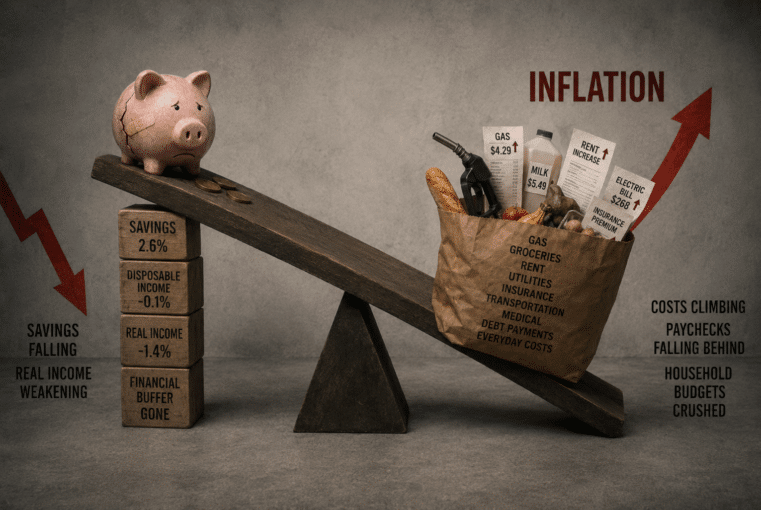
And here’s the part most people are missing: inflation doesn’t need to spike dramatically to cause damage. It just needs to stop falling.
That alone changes everything.
Energy Is the Pressure Point
Every major economic disruption in modern history has one thing in common: energy.
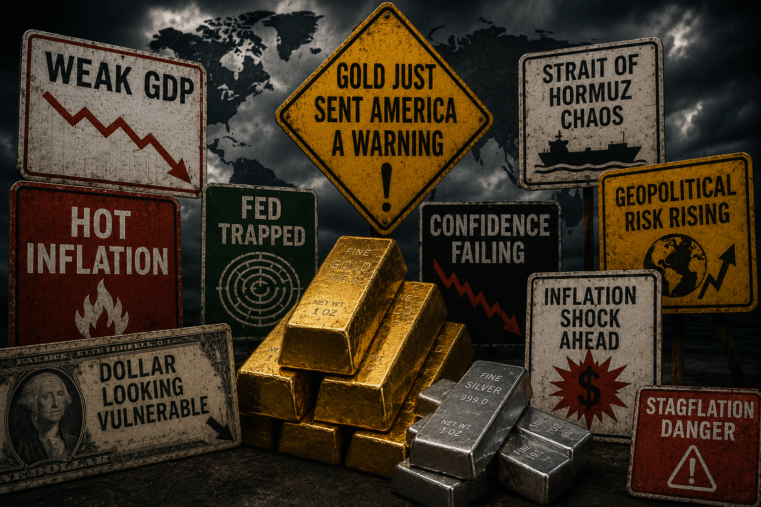
The Strait of Hormuz isn’t just a line on a map—it’s a choke point for a massive percentage of the world’s oil supply. When conflict hits that region, it doesn’t stay local. It ripples outward.
Higher oil prices don’t just mean more expensive gas. They hit:
- Food production (fertilizer costs surge)
- Transportation (shipping prices spike)
- Manufacturing (input costs rise across the board)
It’s a domino effect. And once it starts, it’s incredibly hard to stop.
Dimon pointed out something most headlines gloss over: it’s not just oil—it’s everything connected to oil. That includes critical inputs like helium, chemicals, and agricultural supplies.
This is how inflation embeds itself deep into the system.
Supply Chains Are Still Fragile
We never really fixed the supply chain issues from the last global disruption—we just patched over them.
Now we’re watching those same systems get stressed again.
War doesn’t just destroy infrastructure—it reroutes trade, delays shipments, and forces companies to rebuild logistics networks on the fly. That means higher costs, slower delivery times, and more unpredictability.
And unpredictability is what markets hate most.
The Real Risk: Stagflation
Here’s where things get uncomfortable.
Dimon floated a scenario most analysts avoid saying out loud: stagflation.
That’s the nightmare combo:
- Slowing economic growth
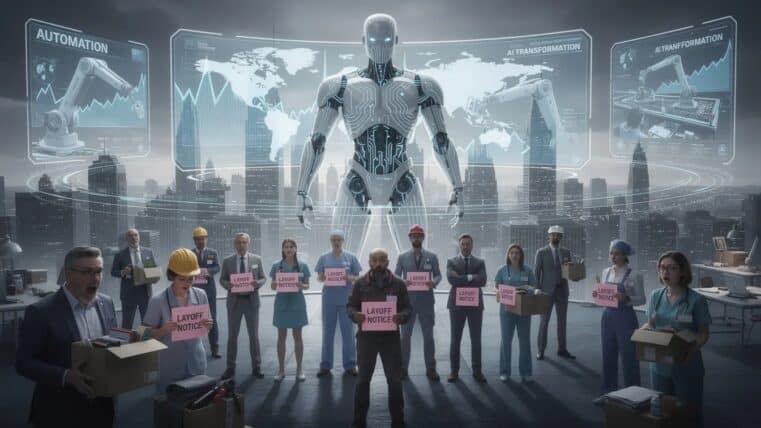
- Rising unemployment
- Persistent inflation
Normally, recessions cool inflation. But not always.
If energy and supply shocks keep prices elevated while the economy slows, you get stuck in a situation where:
- The Federal Reserve can’t easily cut rates
- Consumers lose purchasing power
- Businesses pull back investment
It’s a squeeze from both sides.
And if that plays out, it won’t feel like a typical downturn—it’ll feel like a prolonged grind.
Interest Rates: The Hidden Gravity
Dimon dropped a line that should stick with you:
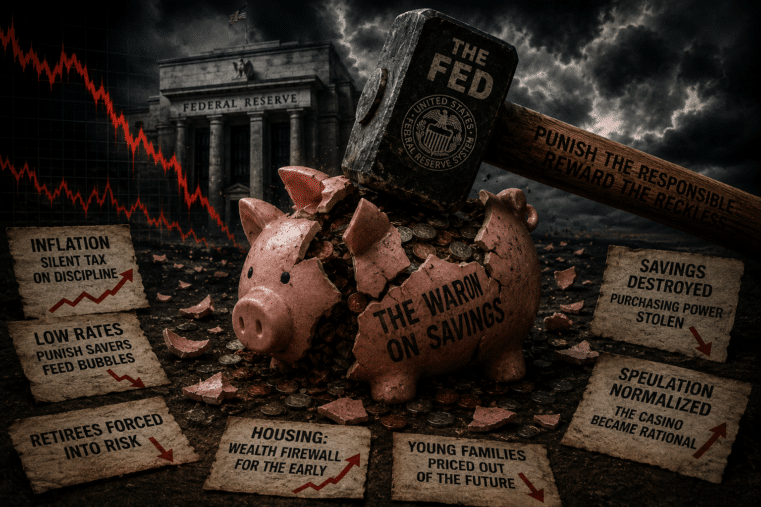
“Interest rates are like gravity to almost all asset prices.”
When rates rise, everything else tends to fall:
- Stocks
- Real estate
- Risk assets across the board
We’ve lived through years of cheap money. That era may not just be ending—it may already be over.
If inflation holds or rises, central banks don’t get the luxury of easing policy. They’re forced to keep pressure on the system, even if it hurts growth.
That’s how you get sudden shifts in sentiment—what he called a “flight to cash.”
And when that happens, it’s fast.
Geopolitics Is Now the Main Driver
For years, markets were driven by central banks and economic data. That’s changed.
Now? It’s geopolitics.
Conflicts in Iran and Ukraine aren’t isolated—they’re reshaping trade routes, alliances, and resource flows. Entire economies are being forced to adapt in real time.
And here’s the uncomfortable truth: no one really knows how this plays out.
Dimon admitted as much.
That uncertainty is the real risk. Markets can handle bad news—but they struggle with unknowns.
My Take: The System Is More Fragile Than They Admit
Let’s cut through the noise.
What we’re looking at isn’t just another cycle—it’s a convergence of pressures:
- Global conflict hitting energy supply
- Supply chains still vulnerable
- Inflation refusing to die
- Central banks backed into a corner
This isn’t normal.
And the messaging coming from the top feels… incomplete. You’re getting pieces of the story, but not the full picture of how interconnected—and unstable—things really are.
The system works as long as confidence holds.
But confidence is a fragile thing.
The Bottom Line
You don’t need to predict the future to see the direction of travel.
Costs are rising. Risks are increasing. And the margin for error is shrinking.
Whether this turns into a full-blown crisis or a slow burn depends on variables no one fully controls—war, energy flows, political decisions.
But one thing is clear:
The era of stability people got used to? That’s fading.
Final Call to Action: Don’t Wait Until It’s Obvious
If you’re paying attention, you can see where this is heading—toward tighter control, increased financial surveillance, and systems designed to manage behavior during economic stress.
That’s where things like FedNow, central bank digital currencies (CBDCs), and programmable money enter the picture.
These aren’t abstract concepts—they’re being built right now.
If you want to understand how this shift could impact your financial freedom—and what you can actually do about it—you need to get ahead of it.
Download the Digital Dollar Reset Guide by Bill Brocius.
It lays out what’s coming, how these systems work, and how to prepare before the window closes.
Get it here:
The Warning Shot: Inflation Isn’t Done Yet
Jamie Dimon isn’t known for panic. When a guy sitting at the top of the largest U.S. bank starts talking about “stickier inflation” and rising interest rates, you pay attention.
The core message? The inflation fight isn’t over—and it might be about to reverse direction.
We’re being told inflation would gradually ease into 2026. But now, with escalating conflict in Iran, that timeline is looking shaky at best. Oil shocks, disrupted shipping lanes, and global supply chain stress aren’t theoretical risks—they’re already unfolding.
And here’s the part most people are missing: inflation doesn’t need to spike dramatically to cause damage. It just needs to stop falling.
That alone changes everything.
Energy Is the Pressure Point
Every major economic disruption in modern history has one thing in common: energy.
The Strait of Hormuz isn’t just a line on a map—it’s a choke point for a massive percentage of the world’s oil supply. When conflict hits that region, it doesn’t stay local. It ripples outward.
Higher oil prices don’t just mean more expensive gas. They hit:
- Food production (fertilizer costs surge)
- Transportation (shipping prices spike)
- Manufacturing (input costs rise across the board)
It’s a domino effect. And once it starts, it’s incredibly hard to stop.
Dimon pointed out something most headlines gloss over: it’s not just oil—it’s everything connected to oil. That includes critical inputs like helium, chemicals, and agricultural supplies.
This is how inflation embeds itself deep into the system.
Supply Chains Are Still Fragile
We never really fixed the supply chain issues from the last global disruption—we just patched over them.
Now we’re watching those same systems get stressed again.
War doesn’t just destroy infrastructure—it reroutes trade, delays shipments, and forces companies to rebuild logistics networks on the fly. That means higher costs, slower delivery times, and more unpredictability.
And unpredictability is what markets hate most.
The Real Risk: Stagflation
Here’s where things get uncomfortable.
Dimon floated a scenario most analysts avoid saying out loud: stagflation.
That’s the nightmare combo:
- Slowing economic growth
- Rising unemployment
- Persistent inflation
Normally, recessions cool inflation. But not always.
If energy and supply shocks keep prices elevated while the economy slows, you get stuck in a situation where:
- The Federal Reserve can’t easily cut rates
- Consumers lose purchasing power
- Businesses pull back investment
It’s a squeeze from both sides.
And if that plays out, it won’t feel like a typical downturn—it’ll feel like a prolonged grind.
Interest Rates: The Hidden Gravity
Dimon dropped a line that should stick with you:
“Interest rates are like gravity to almost all asset prices.”
When rates rise, everything else tends to fall:
- Stocks
- Real estate
- Risk assets across the board
We’ve lived through years of cheap money. That era may not just be ending—it may already be over.
If inflation holds or rises, central banks don’t get the luxury of easing policy. They’re forced to keep pressure on the system, even if it hurts growth.
That’s how you get sudden shifts in sentiment—what he called a “flight to cash.”
And when that happens, it’s fast.
Geopolitics Is Now the Main Driver
For years, markets were driven by central banks and economic data. That’s changed.
Now? It’s geopolitics.
Conflicts in Iran and Ukraine aren’t isolated—they’re reshaping trade routes, alliances, and resource flows. Entire economies are being forced to adapt in real time.
And here’s the uncomfortable truth: no one really knows how this plays out.
Dimon admitted as much.
That uncertainty is the real risk. Markets can handle bad news—but they struggle with unknowns.
My Take: The System Is More Fragile Than They Admit
Let’s cut through the noise.
What we’re looking at isn’t just another cycle—it’s a convergence of pressures:
- Global conflict hitting energy supply
- Supply chains still vulnerable
- Inflation refusing to die
- Central banks backed into a corner
This isn’t normal.
And the messaging coming from the top feels… incomplete. You’re getting pieces of the story, but not the full picture of how interconnected—and unstable—things really are.
The system works as long as confidence holds.
But confidence is a fragile thing.
The Bottom Line
You don’t need to predict the future to see the direction of travel.
Costs are rising. Risks are increasing. And the margin for error is shrinking.
Whether this turns into a full-blown crisis or a slow burn depends on variables no one fully controls—war, energy flows, political decisions.
But one thing is clear:
The era of stability people got used to? That’s fading.
Final Call to Action: Don’t Wait Until It’s Obvious
If you’re paying attention, you can see where this is heading—toward tighter control, increased financial surveillance, and systems designed to manage behavior during economic stress.
That’s where things like FedNow, central bank digital currencies (CBDCs), and programmable money enter the picture.
These aren’t abstract concepts—they’re being built right now.
If you want to understand how this shift could impact your financial freedom—and what you can actually do about it—you need to get ahead of it.
Download the Digital Dollar Reset Guide by Bill Brocius.
It lays out what’s coming, how these systems work, and how to prepare before the window closes.
Ignore it if you want.
But by the time it’s obvious, it’ll already be too late.
Ignore it if you want.
But by the time it’s obvious, it’ll already be too late.