Inflation's Grip Tightens: The Fed's Failure and Your Shrinking Dollar

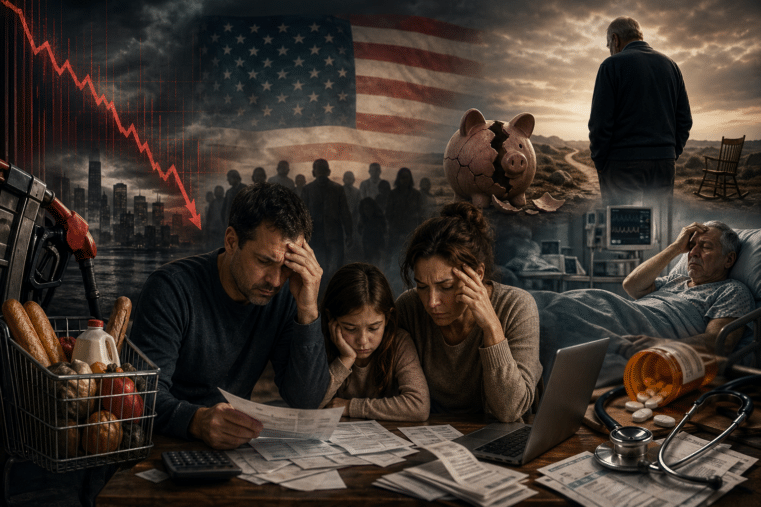
The amount of household staples Americans can buy for a $100 bill has been eroded by nearly one third over the past five years, according to data pointing to the pressure consumers are facing due to the compounding effects of high inflation.
NielsenIQ's 2024 Consumer Outlook shows the cost of fast-moving consumer goods (FMCG) including groceries and other necessities like toiletries has soared by 31% since 2019, and indicates the problem will get worse, as wage growth is expected to lag behind the consumer price index (CPI) this year.

A new report from NielsenIQ shows the cost of household necessities in the U.S. has surged 31% since 2019, putting pressure on consumers. (Paola Chapdelaine for The Washington Post via Getty Images / Getty Images)

To put it in perspective, the Daily Mail, which first reported on the data, noted that in 2019, a shopper with $100 to spend could purchase a 32-item cart full of items like milk, bathroom tissue and cereal. But today, a customer with the same amount would have to put 10 of those items back on the shelf to stay on budget.
Calculations from Moody's Analytics chief economist Mark Zandi shared recently with FOX Business show Americans are paying on average $784 more each month compared with the same time two years ago, and $1,069 more compared with three years ago, before the inflation crisis began.
Inflation has remained above the Federal Reserve's 2% target rate for years, ravaging household budgets. The CPI ballooned from 1.4% in January 2021 to a peak of 9.1% in June 2022, and the last reading in March came in at 3.5%.
The price hikes over the past handful of years are adding up, not just on consumer goods but on other necessities.

Consumer sentiment fell sharply in May, while inflation expectations for the next 12 months and beyond rose. (Stephanie Keith/Bloomberg via Getty Images / Getty Images)
From January 2021 to March 2024, overall inflation (seasonally adjusted) increased 18.9%. During the same period, all food costs rose 21%, while shelter costs were up 20.5% and energy costs went up 36.9%.
Fresh data released Friday indicates consumers are feeling the pain, too.
The University of Michigan's latest consumer sentiment index reading fell sharply this month to 67.4, down from 77.2 in April. Inflation expectations rose, too, both for the next year and beyond.
This article originally appeared on Fox Business