
Strait of Hormuz Showdown: Digital Dollar Control, FedNow Power Plays, and the Global Push to Dedollarize Before Financial Lockdown

A Chokepoint Crisis With Global Consequences
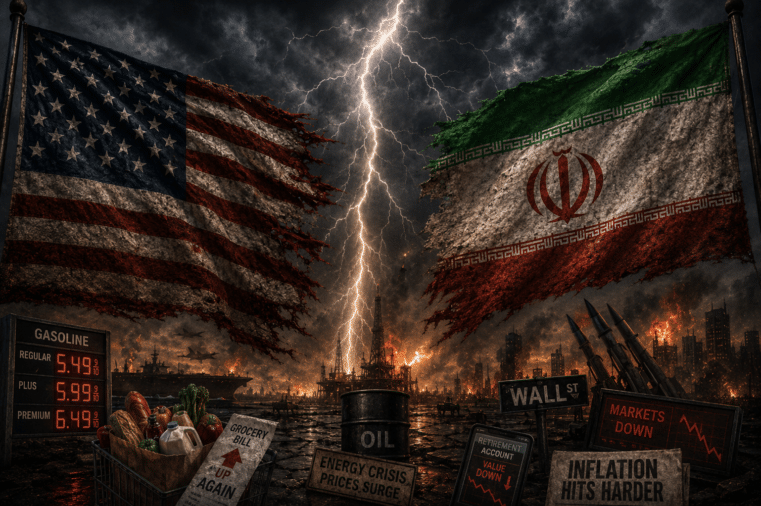
Roughly 20% of the world’s oil flows through the Strait of Hormuz. When that artery tightens, the entire global economy feels it. Now, Iran is signaling it wants leverage—potentially even control—over that passage. The U.S., through Secretary of State Marco Rubio, has made its position unmistakably clear: any attempt by Iran to act as a “gatekeeper” will not be tolerated.
But strip away the diplomatic language, and what you’re left with is a high-stakes struggle over who controls the flow of energy—and by extension, the flow of money.
Because in today’s world, oil isn’t just about fuel. It’s about currency dominance.

The Real Story: A Global Push to Dedollarize
While headlines focus on military posturing and ceasefire negotiations, a quieter but more profound shift is underway. Nations like Iran and Russia are accelerating efforts to dedollarize global trade, bypassing the U.S. dollar in favor of alternative settlement systems.
This isn’t speculation—it’s strategy.
Iran’s outreach to Pakistan, Oman, and Russia, combined with Putin’s public backing of Tehran’s “sovereignty,” signals a coordinated effort to build economic alliances outside the Western financial system.
Why does that matter?
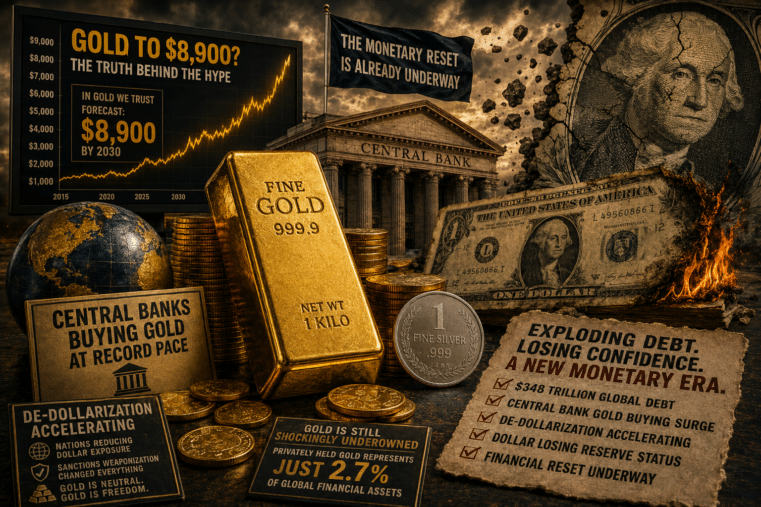
Because the U.S. dollar’s dominance has long been enforced through control of global trade routes and financial infrastructure. If countries begin trading oil and commodities in other currencies—or through independent systems—the entire foundation of dollar supremacy begins to crack.
And when that happens, history tells us what comes next: monetary resets, capital controls, and systemic overhauls.
FedNow, CBDCs, and the Rise of Programmable Money
While geopolitical tensions escalate abroad, something equally significant is unfolding at home.
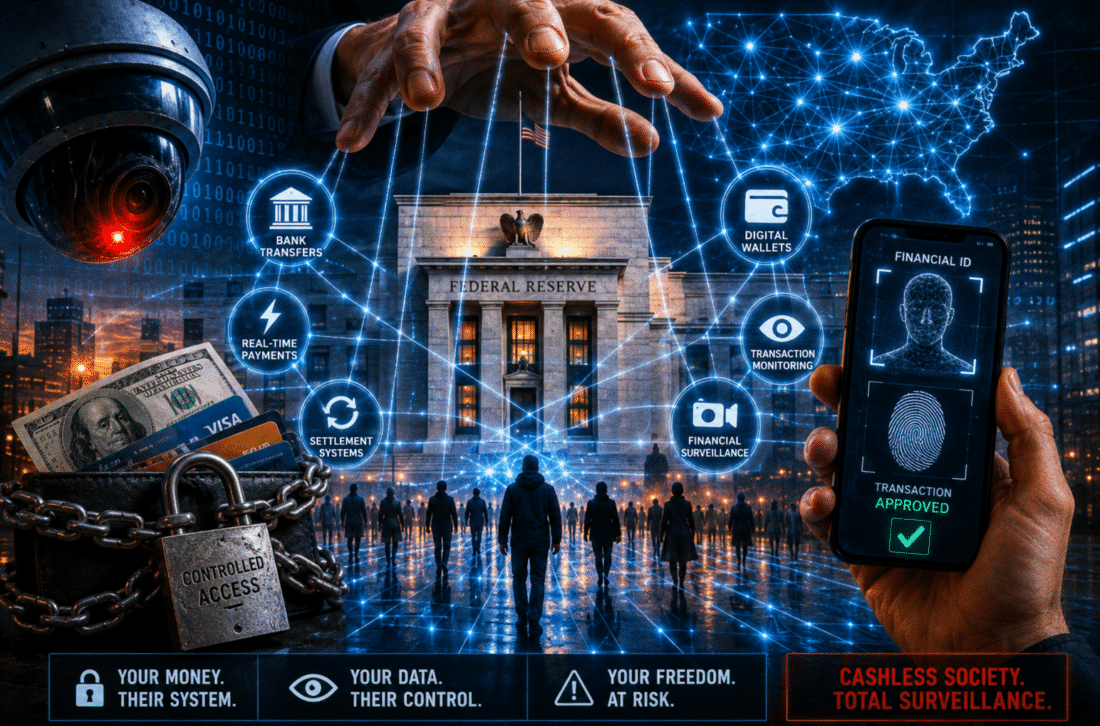
The Federal Reserve has already launched the FedNow payment system, enabling instant, real-time transactions. On the surface, it’s marketed as convenience. But dig deeper, and it’s clear this is foundational infrastructure for something far more powerful: a central bank digital currency (CBDC).
A CBDC isn’t just digital cash—it’s programmable money.
That means:
- Transactions can be monitored in real time
- Spending can be restricted or guided
- Funds can be frozen or reversed instantly
Now connect that to a world where the dollar is losing global dominance. What’s the logical response from policymakers?
Control what remains.
Financial Surveillance Is No Longer Theoretical
Rubio’s insistence that the U.S. will keep Hormuz open “by any means necessary” isn’t just about oil—it’s about preserving the current financial order.
Because once that order fractures, governments don’t relinquish power—they consolidate it.
We’ve already seen the early signs:
- Increased transaction monitoring
- Expanded regulatory oversight
- Growing discussions around digital identity tied to financial access
A cashless society, powered by CBDCs, creates the perfect environment for total financial surveillance.
And if you think that won’t impact you personally, consider this: in a programmable system, your money is no longer fully yours.
Historical Precedent: Crisis Always Precedes Control
This pattern isn’t new.
- In 1971, the U.S. abandoned the gold standard amid economic pressure
- In 2008, the financial crisis led to unprecedented central bank intervention
- In 2020, emergency measures normalized massive monetary expansion
Each crisis paved the way for greater centralized control over the financial system.
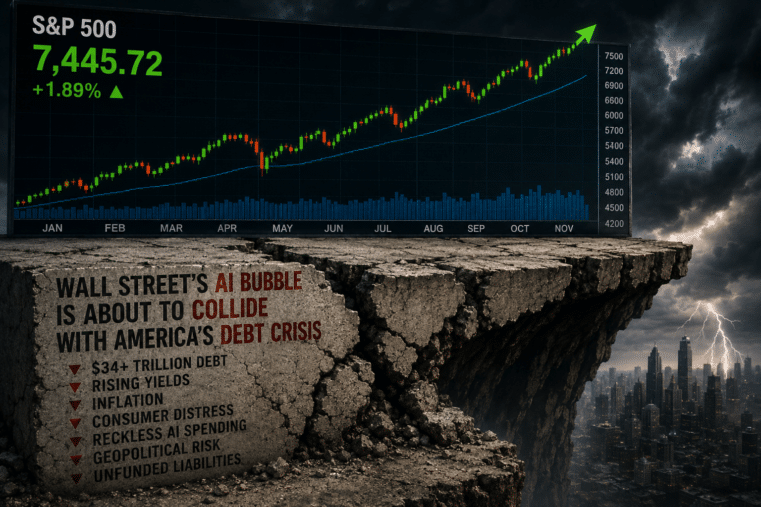
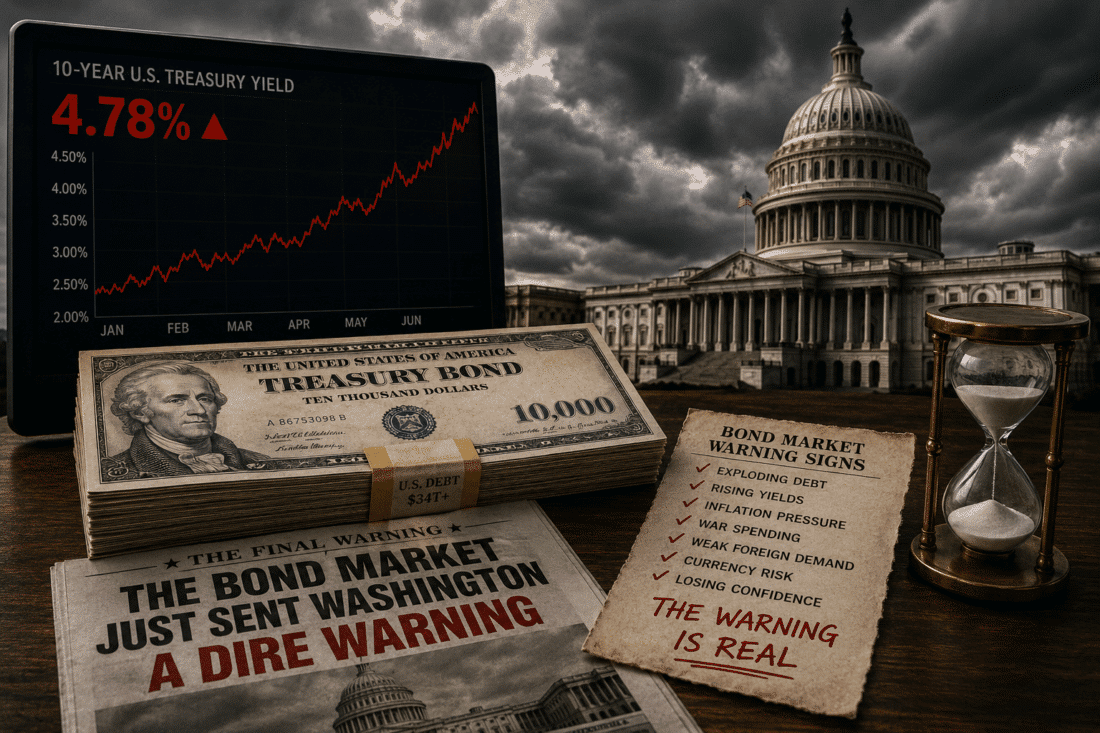
Now, with rising geopolitical instability, supply chain vulnerabilities, and mounting debt, we’re staring at the next inflection point.
The Strait of Hormuz conflict may just be the trigger.
What This Means for Your Financial Future
If global trade begins to shift away from the dollar—and domestic systems move toward programmable digital currency—you’re looking at a future defined by:
- Reduced financial privacy
- Increased dependency on centralized systems
- Greater exposure to policy-driven restrictions
This isn’t about politics. It’s about control versus autonomy.
And right now, the balance is shifting rapidly.
My Take: The Window Is Closing
As someone who’s spent decades watching currency markets and systemic shifts unfold, I’ll be blunt:
The warning signs are no longer subtle.
When global powers align to bypass the dollar, when energy chokepoints become bargaining chips, and when domestic infrastructure evolves toward programmable finance—it’s not coincidence.
It’s convergence.
A Digital Dollar Reset isn’t just possible—it’s increasingly probable.
Take Action Before the System Changes Around You
You don’t get advance notice when financial systems change. By the time it’s obvious, it’s already too late to react.
That’s why understanding what’s coming—and preparing for it—is critical.
Bill Brocius, one of the sharpest economic minds I’ve encountered, has laid out exactly what’s unfolding and how to protect yourself in his Digital Dollar Reset Guide.
This isn’t theory. It’s a strategic blueprint for maintaining your financial autonomy in a world moving toward centralized control.
If you see the warning signs—and you should—then don’t wait.
Because once programmable money becomes the standard, opting out won’t be so easy.