Oil at $111 and Rising: The Iran Flashpoint That Could Slam American Wallets Overnight

The $111 Warning Shot Most People Are Ignoring
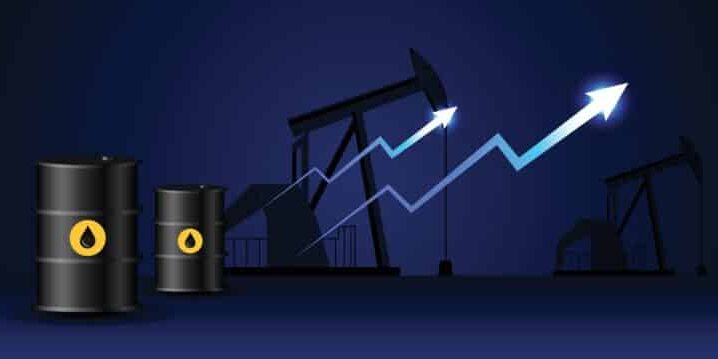
Oil doesn’t spike like this without a reason—and it definitely doesn’t hover above $100 unless something bigger is brewing.
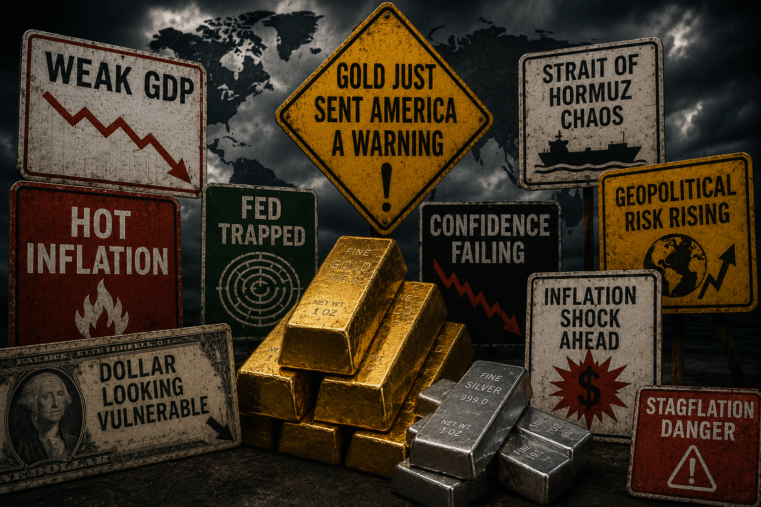
We’re not looking at a normal market fluctuation. We’re looking at a system reacting to instability at one of the most critical choke points on Earth: the Strait of Hormuz. Roughly 20% of the world’s oil flows through that narrow strip of water. You disrupt that, even temporarily, and everything downstream starts to break.
Prices already surged to $119, dipped briefly, and are now climbing again. That kind of volatility signals one thing: uncertainty mixed with fear. And markets hate both.

The Real Story: Infrastructure Is Now a Target
This isn’t just saber-rattling anymore.
We’ve crossed into a new phase—targeting economic infrastructure. That means oil facilities, power grids, desalination plants. The kind of assets that don’t just hurt governments—they cripple entire populations.
Reports of explosions at petrochemical plants and even damage near Iran’s only nuclear power facility signal a clear escalation. This isn’t symbolic warfare. This is economic warfare.
And when energy infrastructure becomes a battlefield, global supply chains don’t just tighten—they fracture.
The Strait of Hormuz: The Global Economy’s Achilles Heel
Let’s get real about what happens if the Strait of Hormuz doesn’t reopen smoothly—or worse, gets dragged into prolonged conflict.
- Oil supply gets choked
- Tanker insurance rates skyrocket
- Shipping slows or halts entirely
- Prices spike hard and fast
This isn’t theoretical. It’s happened before on smaller scales. The difference now? The stakes are higher, and the players are more aggressive.
If that artery closes, even partially, you’re looking at immediate ripple effects:
- Gas prices jumping within days
- Airline costs surging
- Trucking expenses exploding
- Grocery prices following right behind
What This Means for Americans (Brace Yourself)
This is where it hits home.
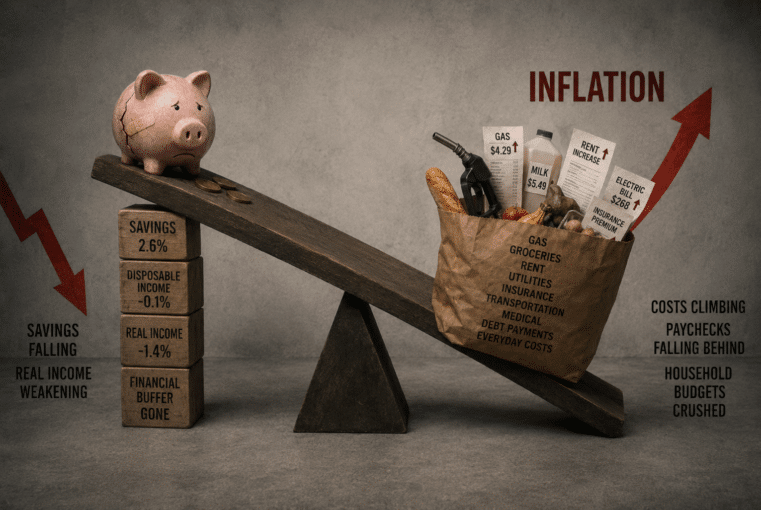
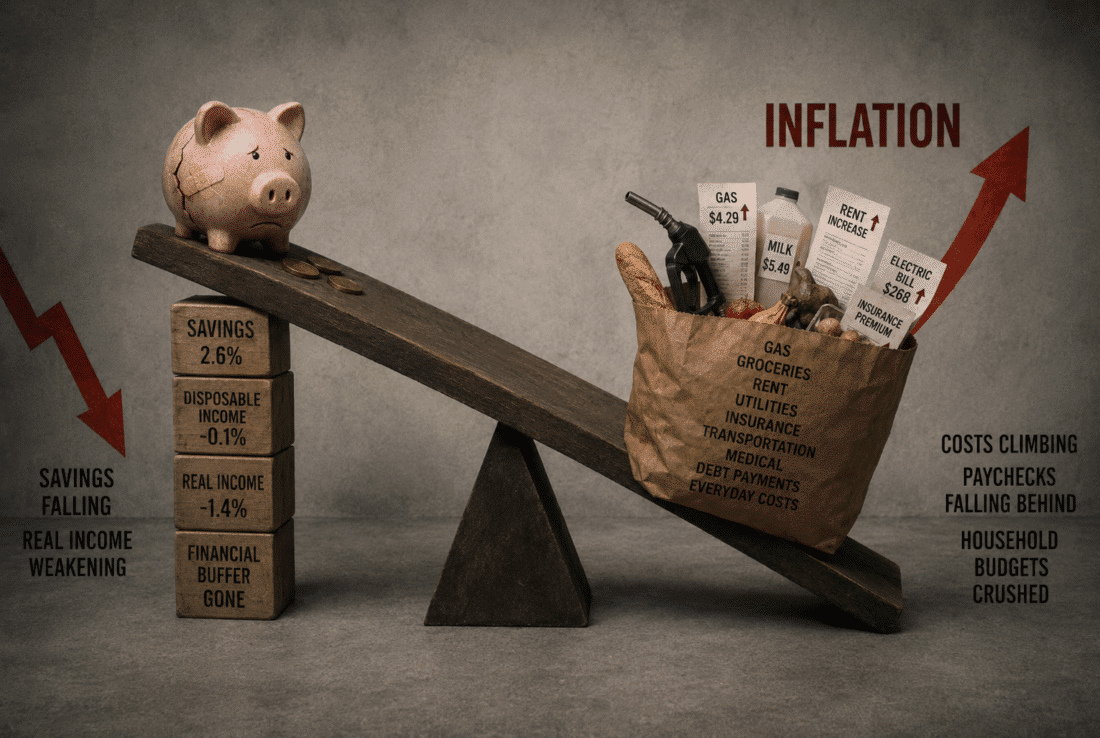
You’re not just paying more at the pump—you’re paying more for everything that depends on fuel. And that’s… everything.
1. Gas Prices Surge First
Expect rapid increases. Not gradual. Not manageable. Sharp spikes.
2. Food Inflation Follows
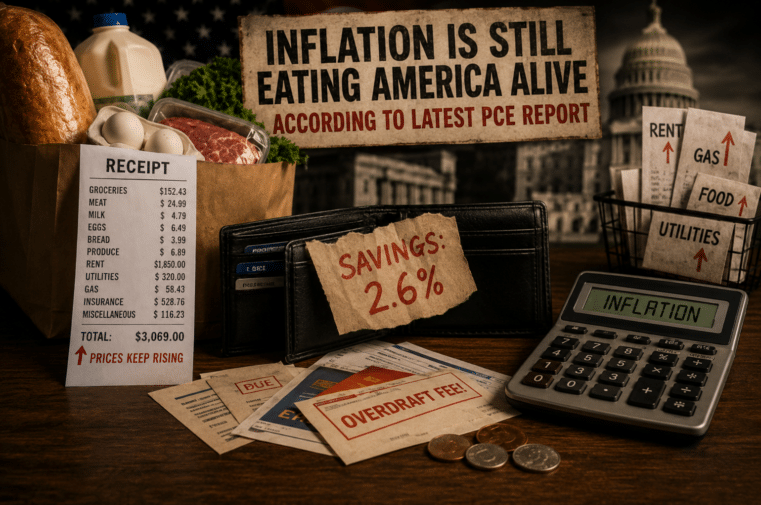
Transportation costs drive food prices. When diesel jumps, your grocery bill doesn’t ask permission—it climbs.
3. Supply Chain Delays Return
Remember empty shelves? That wasn’t a one-time event. It was a preview.
4. Utility Costs Rise
Energy markets are interconnected. When oil spikes, other energy sources feel the pressure too.
The Ceasefire Gamble: A Thin Thread Holding It Together
There’s talk of a last-minute ceasefire framework—brokered quietly, negotiated under pressure.
But here’s the reality:
Deals made under ticking clocks tend to break just as fast.
Even if a ceasefire is announced, the damage is already baked into the system:
- Markets have priced in instability
- Trust between nations is eroding
- Military positioning doesn’t just unwind overnight
This isn’t a reset. It’s a pause—if we’re lucky.
The Bigger Picture No One Wants to Say Out Loud
Here’s the uncomfortable truth:
We’re watching the early stages of a broader economic stress event.
Energy shocks don’t stay isolated. They cascade:
- Markets wobble
- Currency pressure builds
- Governments intervene
- Policies tighten
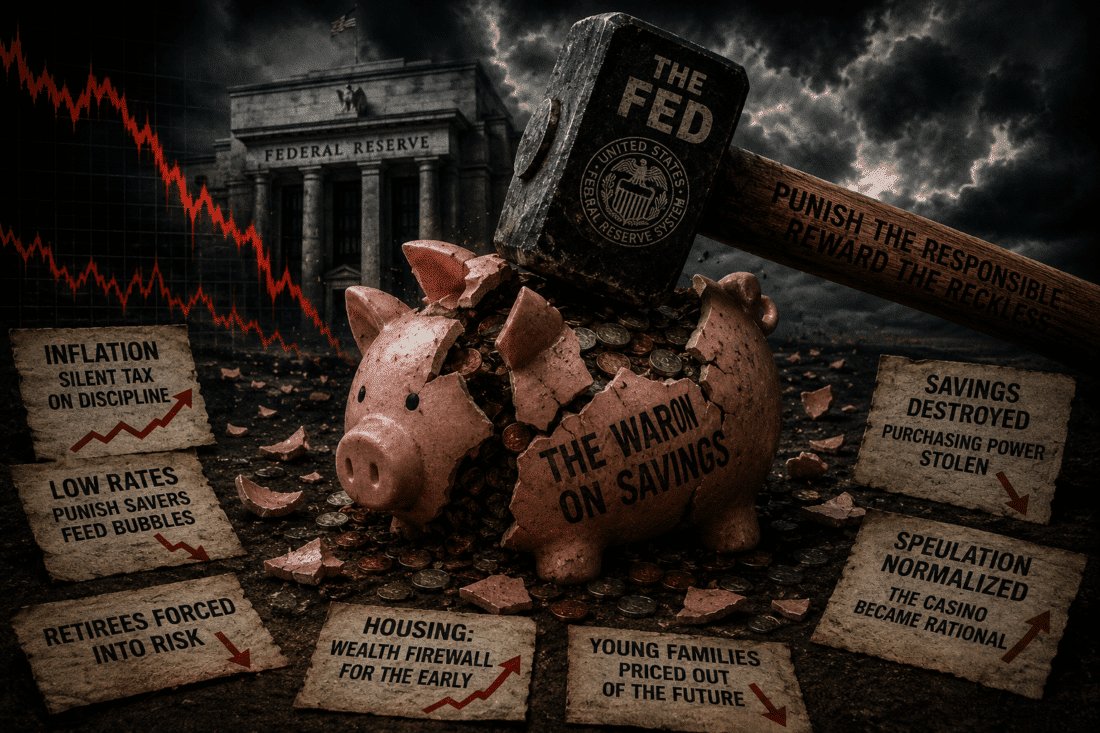
And when that happens, the average person gets squeezed from every angle—higher costs, fewer options, less control.
My Take: This Isn’t Temporary—It’s a Shift
I’ve been around long enough to recognize patterns.
This doesn’t feel like a short-term disruption. It feels like a structural shift—where instability becomes the norm, not the exception.
When energy becomes a weapon, everything tied to it becomes collateral damage. And right now, that includes your paycheck, your savings, and your ability to keep up with rising costs.
The system is under stress—and when systems crack, they don’t warn you politely.
They snap.
Final Warning: Prepare Before the Shock Hits Full Force
If you think this stops at headlines about oil prices, you’re not paying attention.
This is about cascading consequences—fast-moving, hard-hitting, and felt directly by everyday Americans.
You don’t get much time between the warning signs and the impact.
And this? This is the warning sign.
Critical Action Step: Don’t Wait Until It’s Too Late
What’s unfolding right now isn’t happening in isolation. Rising oil prices, global instability, and supply chain disruptions are all pieces of a much larger shift toward centralized financial control, digital currencies, and increased transaction monitoring.
If you’re seeing the pattern, then you already know—you need to get ahead of it.
The Digital Dollar Reset Guide by Bill Brocius breaks down exactly what’s coming next:
- The expansion of systems like FedNow
- The risks tied to central bank digital currencies (CBDCs)
- How programmable money could limit what you can buy, when, and how
- Practical steps to protect your financial autonomy before the window closes
This isn’t optional reading. It’s survival intelligence.
Download the guide now before the next phase rolls out.
Because once the system tightens its grip, reacting won’t be enough.
You’ll need to be ready.