THE PETRODOLLAR IS CRACKING: How a Global Shift Away From the Dollar Threatens America’s Economic Power

The System That Quietly Propped Up America
For decades, the U.S. dollar has sat at the center of global trade—especially oil.
Countries bought and sold energy in dollars. Nations held dollar reserves. Demand stayed high.
That system didn’t just happen. It was built. Maintained. Protected.
And it gave the United States enormous advantages:
- Strong global demand for the dollar
- Lower borrowing costs
- Economic leverage over other nations
Most Americans never saw it.
But they benefited from it every single day.
Now That Foundation Is Starting to Shift
Here’s the reality: the world is changing.
Countries are rethinking how they trade energy. Some are exploring deals outside the dollar. Others are building regional alliances that reduce reliance on U.S. financial systems.
At the same time, nations are pushing for:
- Energy independence
- Stronger domestic production
- Less exposure to global disruptions
On the surface, that sounds stable.
But there’s a catch.
A world that doesn’t need to rely on the dollar… is a world that holds fewer dollars.
And that changes everything.
What Happens When Demand for the Dollar Drops?
This is where it hits home.
If fewer countries need dollars to buy energy or conduct trade, global demand weakens.
When demand weakens, pressure builds.
That can lead to:
- Currency volatility
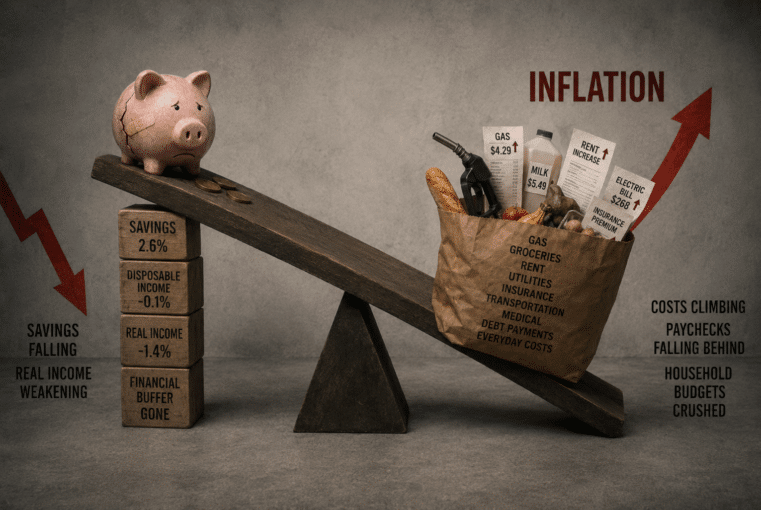
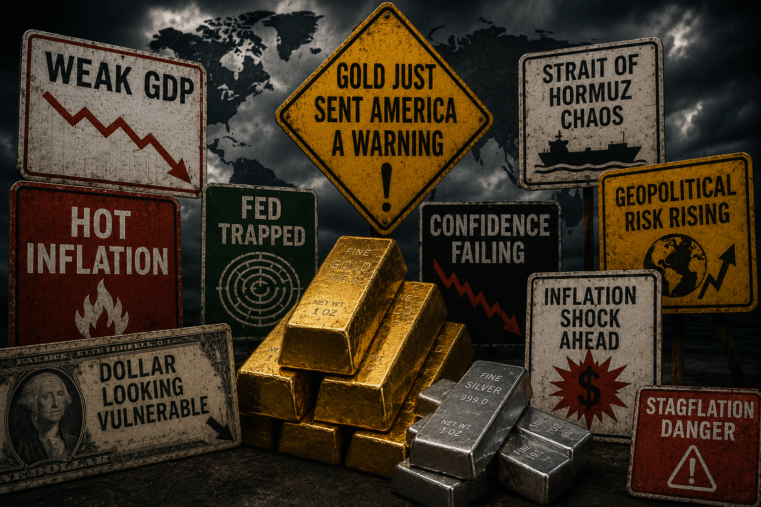
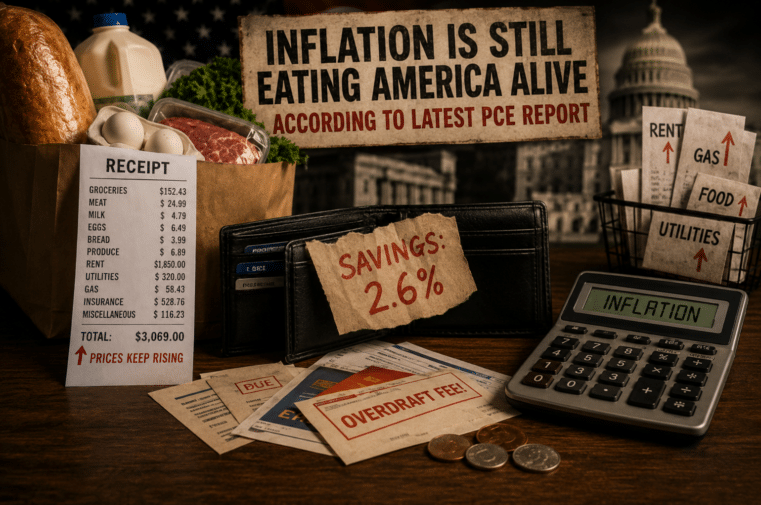
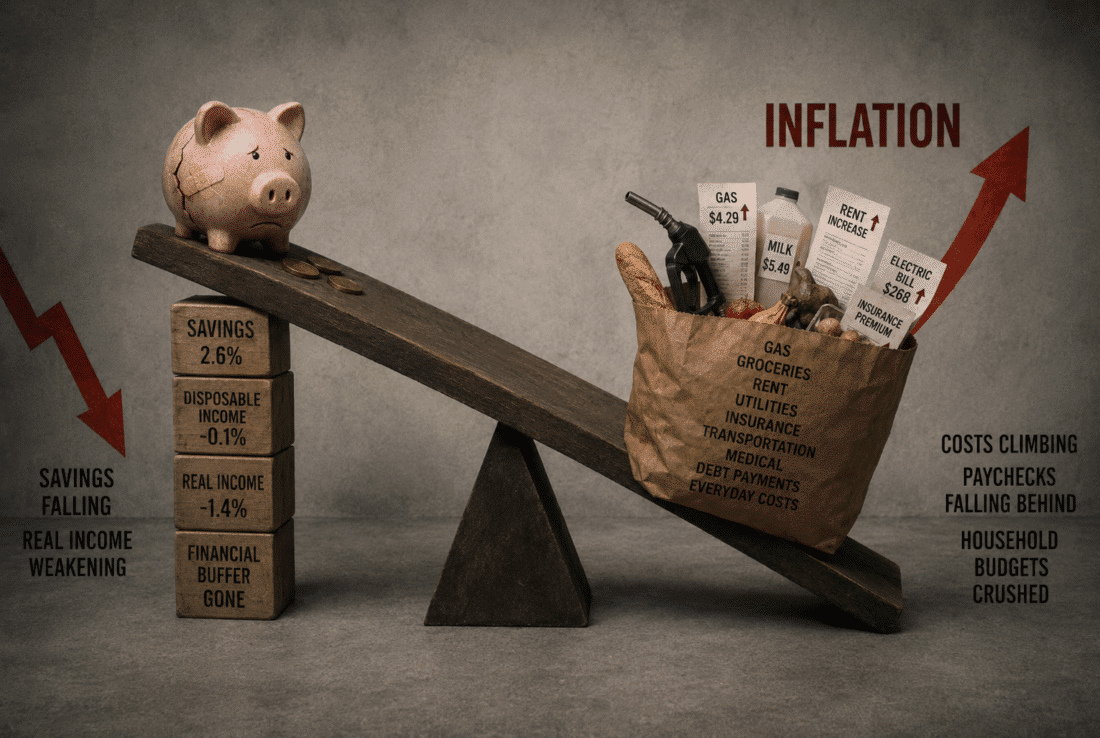
- Higher inflation risks
- Increased borrowing costs
In plain terms: life gets more expensive.
Not overnight. Not all at once.
But steadily. Quietly. Then all at once.
Energy and Power Are Being Rewritten
Energy markets are no longer just about supply and demand.
They’re about control.
When countries start producing more of their own energy—or trading it in different currencies—they gain independence.
But they also fragment the global system.
Instead of one dominant framework, you get multiple competing ones.
That means:
- Less coordination
- More uncertainty
- Greater risk of disruption
And markets don’t like uncertainty.
A More Self-Sufficient World Isn’t Necessarily a Stable One
There’s a popular idea that self-sufficiency equals strength.
Sometimes it does.
But globally, it can also mean fragmentation.
If every region pulls inward:
- Trade becomes more complex
- Alliances become less predictable
- Financial systems become less unified
That’s not stability.
That’s a patchwork system under pressure.
Why This Matters for Everyday Americans
This isn’t about abstract finance.
It’s about your day-to-day life.
A shifting dollar system can translate into:
- Higher prices on imported goods
- Increased fuel and energy costs
- More expensive loans and credit
- Greater economic uncertainty
The advantages Americans have long relied on don’t disappear overnight.
But they can erode.
And erosion is harder to notice—until it’s too late.
My Take: This Is a Slow Shift With Real Consequences
Let’s be clear—this isn’t the end of the dollar tomorrow.
But it is a shift.
A gradual one. A meaningful one.
The kind that builds under the surface while most people are focused elsewhere.
The petrodollar system helped define the modern economic era. If that system weakens, the ripple effects won’t stay contained to financial headlines.
They’ll show up in everyday life.
And the biggest risk?
People don’t prepare for slow changes.
They react to sudden ones.
What to Watch Moving Forward
Keep an eye on these signals:
- More bilateral trade deals outside the dollar
- Energy agreements in alternative currencies
- Central banks adjusting reserve holdings
- Increased volatility in currency markets
These are not isolated events.
They are pieces of a larger shift.
Final Word: Pay Attention to the Foundation, Not Just the Surface
Most headlines focus on prices, markets, and short-term moves.
But the real story is deeper.
It’s about the foundation those systems are built on.
And right now, that foundation is starting to move.
Join the Inner Circle
If you want deeper insight into global financial shifts, currency risks, and what they mean for your future, join the Inner Circle today.
Stay informed. Stay prepared. Don’t get caught off guard.