Citigroup Issues Dire Warning: BRICS Trade Shift Could Crush the U.S. Dollar by 2026

The writing is on the wall—and now even Wall Street is saying it out loud. Citigroup, one of America’s largest financial institutions, has issued a chilling warning about the future of the U.S. dollar.
For years, the risk of dedollarization—the gradual move away from the dollar in global trade—was dismissed as speculation. Not anymore. Citigroup’s latest analysis echoes what many independent economists have been warning for years: the BRICS alliance (Brazil, Russia, India, China, South Africa) is systematically dismantling dollar dominance, and by 2026, the shift could become irreversible.
If you still hold the majority of your wealth—savings, retirement funds, or business reserves—in U.S. dollar–denominated assets, you are taking on enormous and growing risk.
🔻 The Dollar’s Grip Is Weakening
Citigroup’s global outlook slashed growth expectations to 2.4% for 2025, with only a mild rebound projected in 2026. The bank identifies a major culprit: the rapid construction of alternative trade and payment systems by BRICS nations, allowing transactions to bypass the dollar entirely.
This isn’t a temporary correction—it’s a structural realignment. BRICS countries are actively building mechanisms to reduce their exposure to U.S. monetary policy, sanctions, and debt risk. Each new bilateral trade agreement settled in yuan, rupees, or rubles chips away at the dollar’s global influence.
“The rate differential favoring the dollar has broken down,” Citigroup’s latest report states—an acknowledgment that global investors no longer see the dollar as a guaranteed store of value.
💥 Weak Fundamentals, Tariff Pressures, and Policy Fatigue
Citigroup highlights two key trends undermining the dollar:
-
Artificial growth in early 2025 driven by pre-tariff inventory hoarding has now evaporated, leaving behind debt-heavy corporate balance sheets.
-
Tariff escalation has backfired, fueling inflation while real wages decline—sapping consumer demand and weakening the overall economy.
Add to that a cooling labor market and falling manufacturing output, and the Federal Reserve will have little choice but to cut rates. Those rate cuts—long the dollar’s safety net—will strip away one of its last supports.
When interest rate advantages disappear, global capital looks elsewhere. That’s already happening.
🔄 BRICS Pay: The Dollar’s Biggest Threat Yet
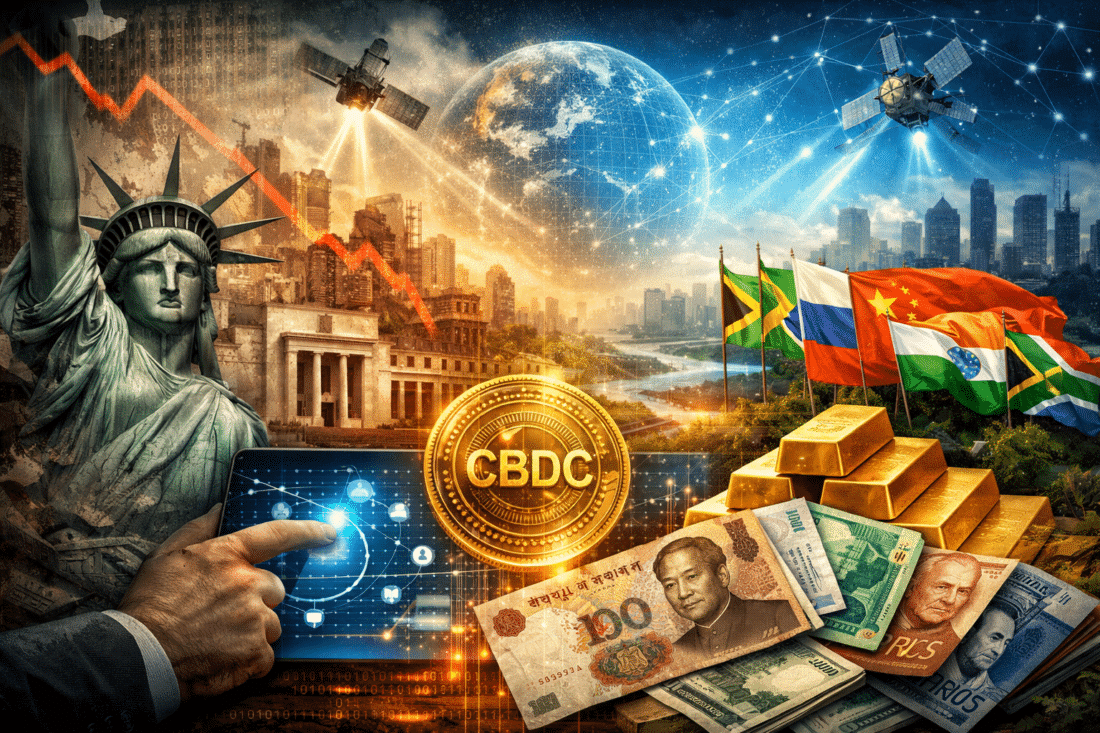
Perhaps the most alarming development is the launch of the BRICS Pay system—a digital payment infrastructure designed to replace the U.S.-controlled SWIFT network for cross-border settlements.
-
2025–2026: Expansion of bilateral trade in local currencies (e.g., China–Russia, India–Brazil).
-
2026–2027: Deployment of BRICS Pay for member nations.
-
Post-2027: Introduction of a digital BRICS settlement token for central bank use.
This is no longer theory—it’s happening in real time. Every trade settled outside the dollar reduces global demand for it. As demand drops, the dollar’s value, purchasing power, and global credibility all decline.
📉 Even Major Institutions Are Reducing Dollar Exposure
Citigroup isn’t just warning—it’s acting. The bank is reportedly reducing its dollar holdings and reallocating toward other currencies, such as the euro. This is a clear signal: even major institutions no longer see the greenback as untouchable.
Compounding the issue, Washington’s new wave of tariffs on copper, nickel, uranium, and other strategic commodities is driving inflationary pressures at home—while Europe and Asia enjoy relative price stability. The imbalance is accelerating the global exodus from the dollar system.
⚠️ Citigroup’s Message Is Clear: The Shift Is Structural
According to Citigroup’s own analysis, this is not a cyclical downturn—it’s a long-term structural transformation of the global financial order.
The world is reorganizing its trade, payment, and reserve systems without the U.S. dollar at the center. The implications for ordinary Americans are profound:
-
Higher import costs
-
Devalued savings and retirement accounts
-
Reduced purchasing power
-
Potential instability in the U.S. banking system
If your assets are tied exclusively to the dollar, you are exposed to risks that no bank, government, or insurance agency can fully protect you from.
🪙 Gold: The Historic Hedge Against Currency Decline
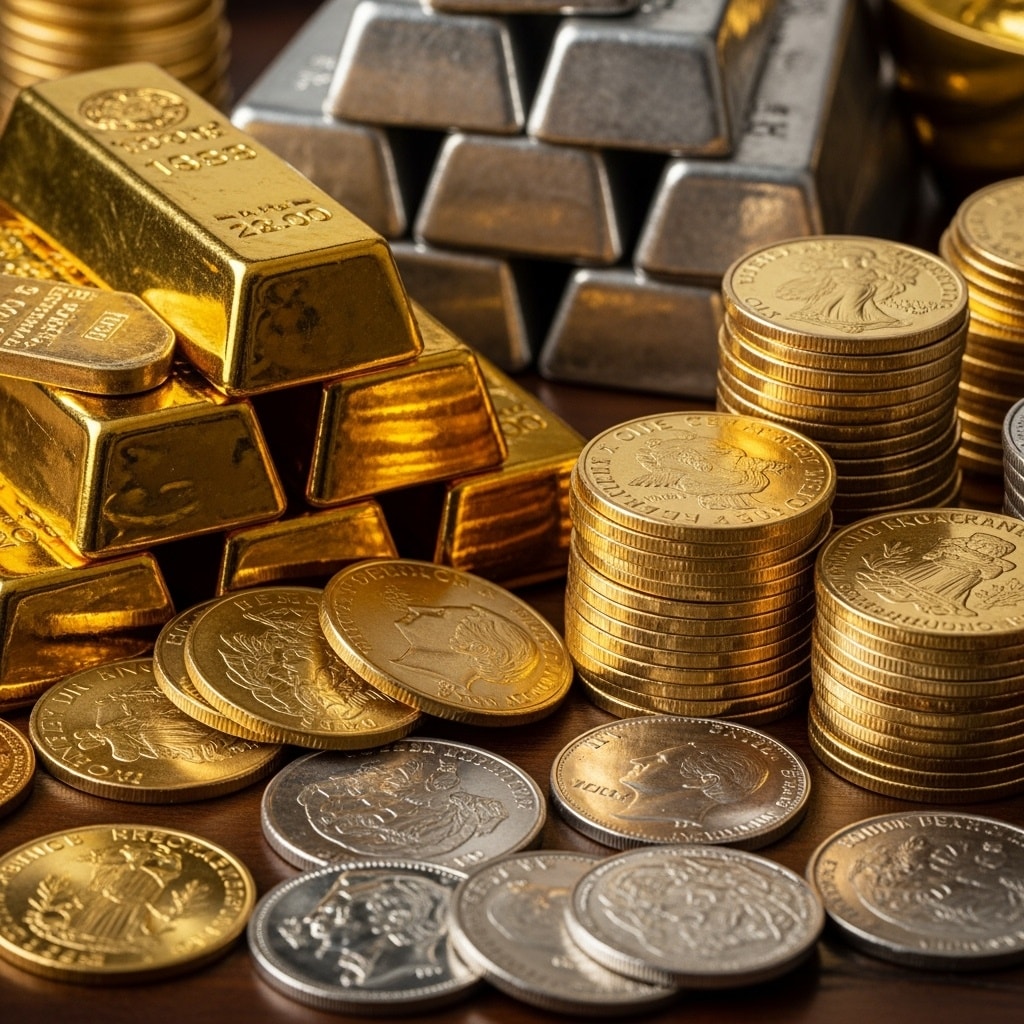
For centuries, during every major monetary realignment, gold has been the ultimate safeguard. Unlike fiat currencies, gold holds intrinsic value, is globally recognized, and operates outside any central bank’s control.
As BRICS nations move to settle trade in local currencies and potentially gold-backed digital tokens, the precious metal’s strategic importance will only rise.
Citigroup’s warning is not just about economics—it’s about sovereignty and protection. The dollar’s dominance is eroding, and once confidence is lost, recovery is impossible.
Now is the time to diversify.
Now is the time to hold real assets.
Now is the time to own gold.
✅ What You Can Do Today
Don’t sit on the sidelines and watch the world change around you. Get ahead of this crisis. Start by downloading my free ebook, 7 Steps to Protect Your Account from Bank Failure, and discover what the mainstream won’t tell you.
Then, take the next step and join my Inner Circle for just $19.95/month. You’ll get immediate access to:
- My weekly breakdowns of currency shifts, banking risks, and asset protection strategies
- Private briefings on BRICS trade developments and central bank moves
- Exclusive access to interviews, reports, and strategies that Wall Street insiders use before the public catches on
👉 Join the Inner Circle Here »
Citigroup is ringing the alarm. The BRICS shift is real. The dollar is dying.
If you’re not preparing for what’s next, you’ve already fallen behind.
—
Bill Brocius
Founder, DedollarizeNews.com
Read More Reports | Join the Inner Circle » | Free eBook Download