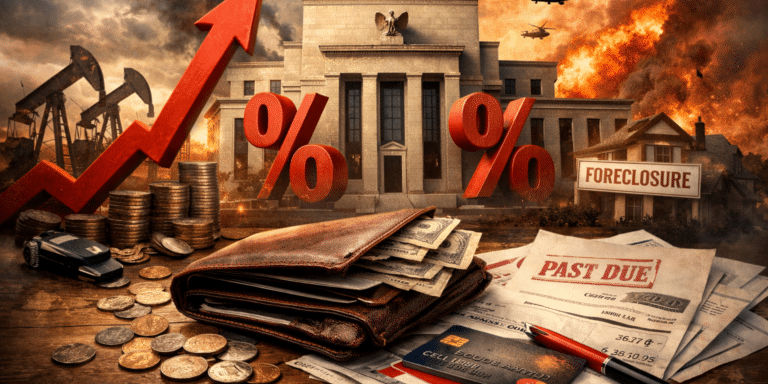
THE FED’S NEXT MOVE COULD CRUSH YOUR WALLET: RATE HIKES BACK ON THE TABLE

The Fed Is Wavering—and That Should Worry You
The latest Federal Reserve minutes reveal something most Americans aren’t being told straight:
The Fed doesn’t know what comes next.
They’re now saying a rate hike is just as likely as a rate cut. Let that sink in.
After months of talk about easing, they’re backtracking. Why?
Because inflation isn’t under control. Not even close.
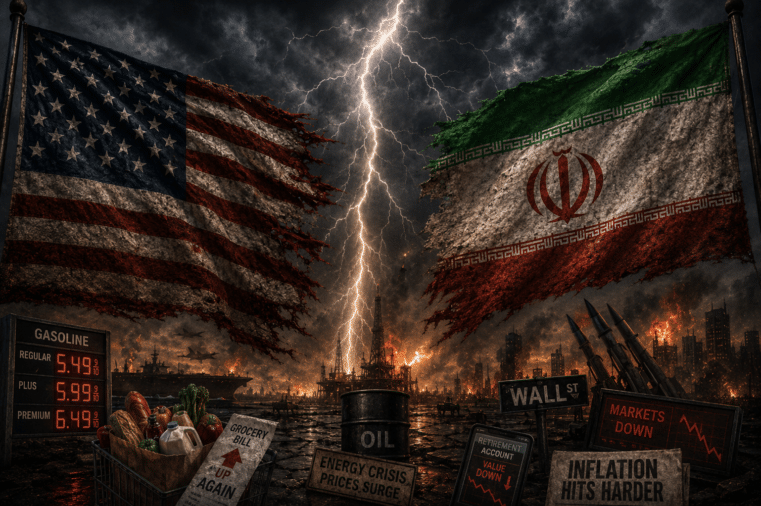
And now, thanks to global conflict and rising energy prices, the pressure is building again.
Rate Hikes: The Silent Wallet Killer
Here’s what a rate hike really means for you:
- Higher mortgage payments
- More expensive car loans
- Rising credit card interest
- Tighter access to credit
This isn’t abstract policy. This is your monthly budget.
Every time the Fed hikes rates, borrowing gets more expensive. And in today’s America, everything runs on credit.
So when rates go up, your cost of living goes up.
Fast.
Energy Prices Are Driving the Fed’s Fear
The Fed made one thing clear: they’re worried about energy.
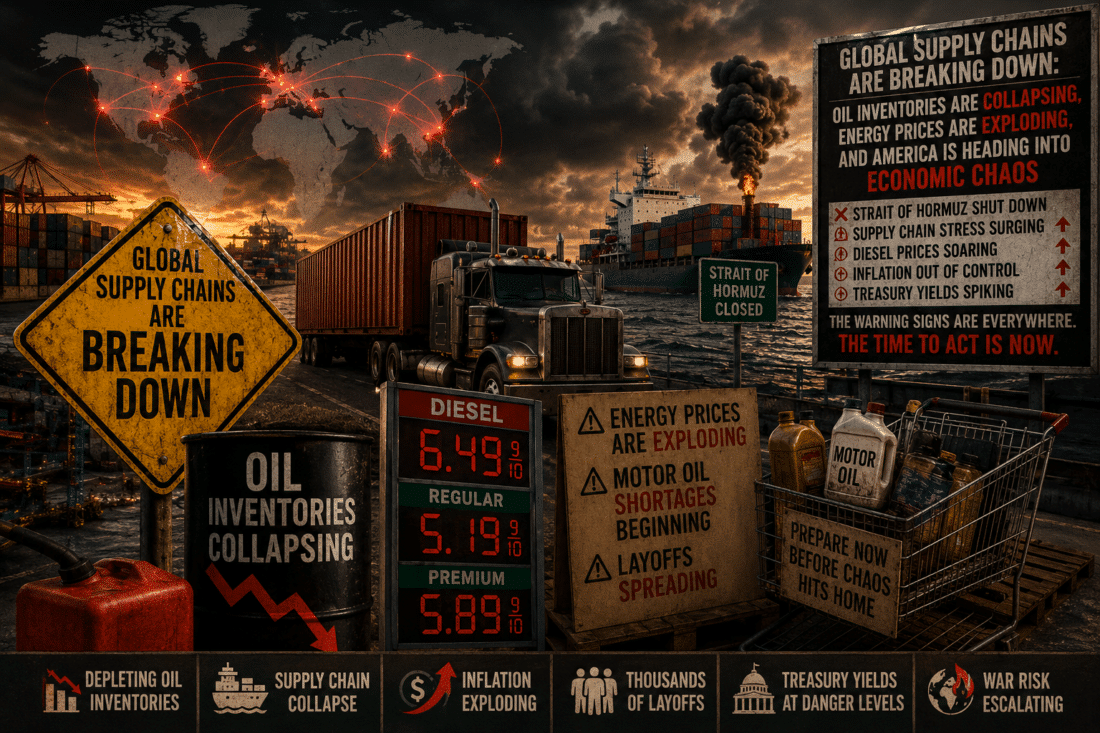
Oil prices surged after the Middle East conflict. That surge is feeding directly into inflation.
And when inflation rises, the Fed has one blunt tool:
Raise rates.
It doesn’t matter if it hurts growth. It doesn’t matter if it hits jobs. Their mandate is inflation.
So if oil stays high, rate hikes come back into play.
A No-Win Scenario for Americans
This is where things get ugly.
The Fed is trapped between two bad options:
Option 1: Raise Rates
- Crush inflation (maybe)
- But hammer consumers and businesses
- Slow the economy
- Risk job losses
Option 2: Cut Rates
- Support the economy
- But let inflation run hotter
- Devalue your dollar
- Increase long-term instability
Either way, you pay the price.
That’s what they mean by “two-sided risks.”
The Global Domino Effect Is Already Falling
This isn’t just a U.S. problem.
The Fed minutes point to a global chain reaction:
- Foreign markets are weakening
- Volatility is rising
- Bond yields are climbing
- Emerging markets are under pressure
And through it all, the U.S. dollar strengthens—not because everything is fine, but because it’s seen as the “least bad option.”
That’s not strength. That’s relative weakness.
Inflation Isn’t Done—Not Even Close
Despite what you’ve been told, inflation isn’t fading away.
The Fed admitted:
- Inflation risks are tilted upward
- Energy costs are pushing prices higher
- Expectations are starting to shift
And once inflation expectations take hold, they’re hard to break.
That’s when aggressive rate hikes come back.
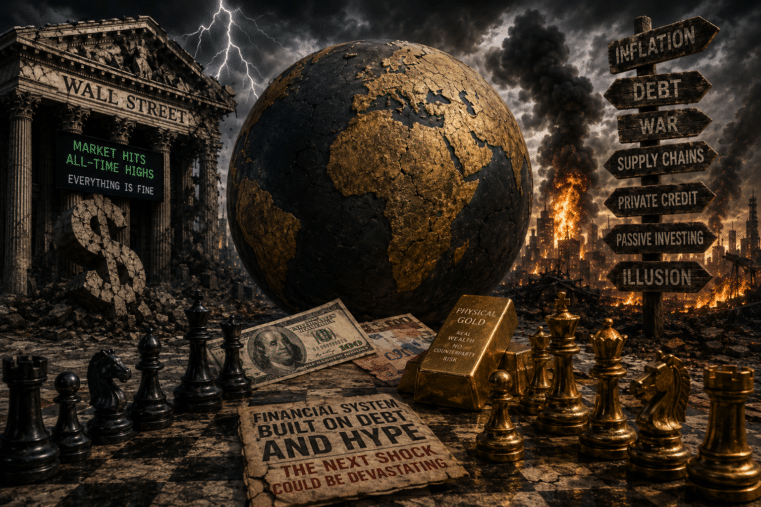
The Real Problem: A System on Edge
What we’re witnessing isn’t just policy uncertainty.
It’s a system under stress.
- Global conflict disrupting supply
- Energy markets in flux
- Central banks reacting, not leading
- Consumers stretched thin
And now the Fed is signaling it may tighten the screws again.
Not because it wants to—but because it feels it has to.
Final Word: Brace for Impact
Don’t let the polished language fool you.
“Two-sided risks.”
“Data-dependent decisions.”
“Monitoring the situation.”
That’s all code for one thing:
They’re not in control.
And when the people steering the economy aren’t sure where they’re going, the road gets rough—fast.
If rate hikes return, American households will feel it immediately.
Higher bills. Higher debt. Less breathing room.
Join the Inner Circle
If you want clarity in a world of economic confusion—real insights, real warnings, and real strategies—you need to be on the inside.
Join the Inner Circle today for just $19.95/month
Stay ahead of the chaos. Or get caught in it.