Inflation's Lingering Grip: A Reality Check

Inflation rose more than expected in December thanks to a jump in energy and housing costs, underscoring the challenge of taming price pressures within the economy.
The Labor Department said Thursday that the consumer price index, a broad measure of the price of everyday goods including gasoline, groceries and rent, rose 0.3% in December from the previous month, more than expected.
Prices climbed 3.4% from the same time last year, coming in above both the expectation from Refinitiv economists and the 3.1% gain recorded in November.

Other parts of the report indicated that inflation is continuing to retreat, albeit slowly. Core prices, which exclude the more volatile measurements of food and energy, climbed 0.3%, or 3.9% annually. Both of those figures are slightly higher than estimates; however, it marked the first time since May 2021 that core inflation fell below 4%.
Altogether, the report indicates that while inflation has fallen considerably from a peak of 9.1%, it remains above the Federal Reserve's 2% target.
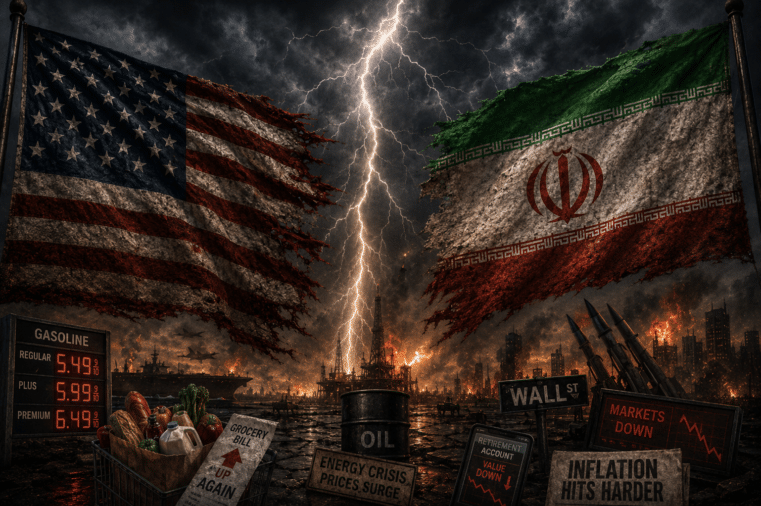
High inflation has created severe financial pressures for most U.S. households, which are forced to pay more for everyday necessities like food and rent. The burden is disproportionately borne by low-income Americans, whose already-stretched paychecks are heavily affected by price fluctuations.
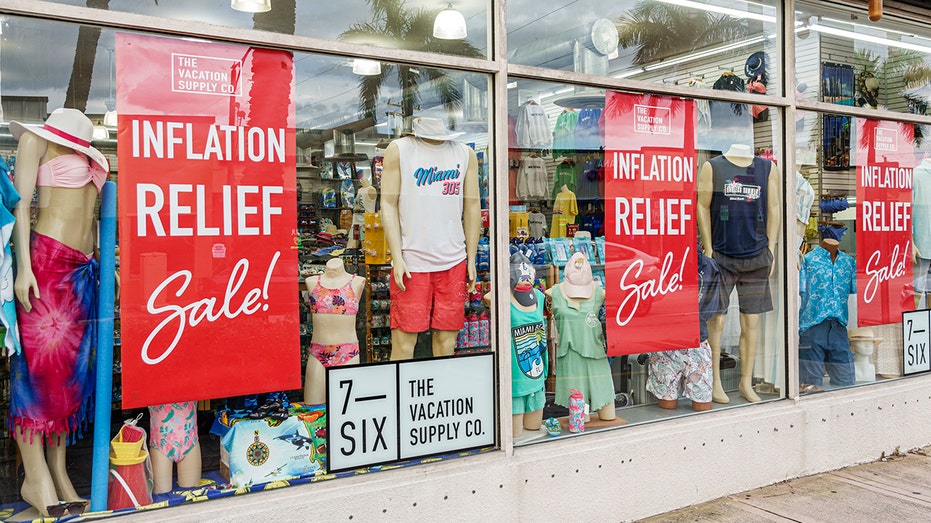
A window display at the Vacation Supply Co. on Collins Avenue in Miami Beach, Florida. (Jeffrey Greenberg/Universal Images Group via / Getty Images)
Housing costs were the biggest driver of inflation last month. Rent costs rose 0.4% for the month and are up 6.2% from the same time last year. Rising rents are concerning because higher housing costs most directly and acutely affect household budgets.
Other price gains also proved persistent in December. Food prices, a visceral reminder of inflation for many Americans, rose 0.2% over the course of the month. Grocery costs rose 0.1% last month and are up 1.3% compared with the same time last year.
Energy costs, meanwhile, climbed 0.4% in December, including a 0.2% increase in gasoline prices and a 1.3% spike in electricity.
"In the two-steps-forward-one-step-back inflation battle, December was a clear step back," said Robert Frick, corporate economist with Navy Federal Credit Union. "Shelter prices accounted for half the increase, and there’s little relief in sight there as rents prove sticky and homeownership costs rise. Consumers felt the most immediate pain in December from higher food and energy prices, and those are the two commodities Americans are most sensitive to."
| Ticker | Security | Last | Change | Change % |
|---|---|---|---|---|
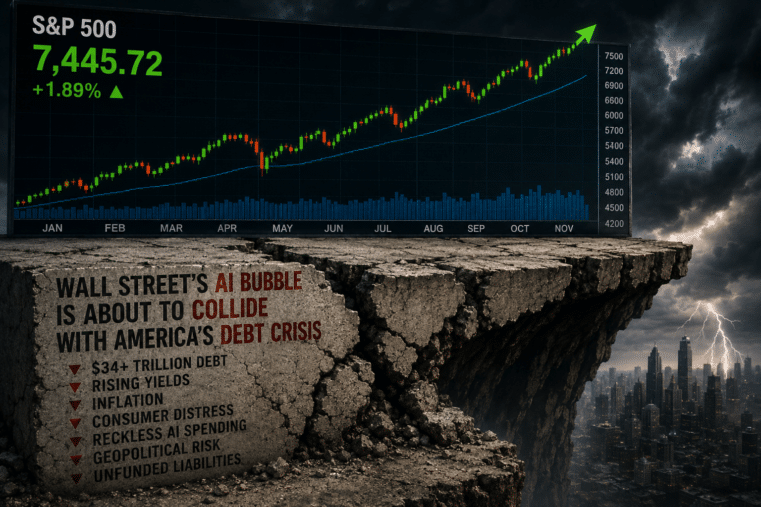
| I:DJI | DOW JONES AVERAGES | 37580.18 | -130.84 | -0.35% |
| I:COMP | NASDAQ COMPOSITE INDEX | 14987.380899 | +17.20 | +0.11% |
| SP500 | S&P 500 | 4784.18 | +3.94 | +0.08% |
The Federal Reserve has signaled it is closely watching the report for evidence inflation is finally subsiding as policymakers try to cool the economy with a series of interest rate hikes. Officials approved 11 rate increases in a span of just 16 months, lifting the benchmark federal funds rate from nearly zero to the highest level since 2001.
Central bank officials have suggested in recent weeks that rate hikes are over, but they have offered little guidance on when they may begin to reduce rates. The hotter-than-expected report could mean the Fed does not cut interest rates as soon as markets are currently anticipating.
"Today’s inflation report reinforces the notion that the market had gotten a little overexcited around the timing of rate cuts," said Seema Shah, chief global strategist at Principal Asset Management. "These are not bad numbers, but they do show that disinflation progress is still slow and unlikely to be a straight line down to 2%."
This article originally appeared on Fox Business