Markets Are Floating on Air—And Gravity Always Wins

What “Detached From Fundamentals” Really Means
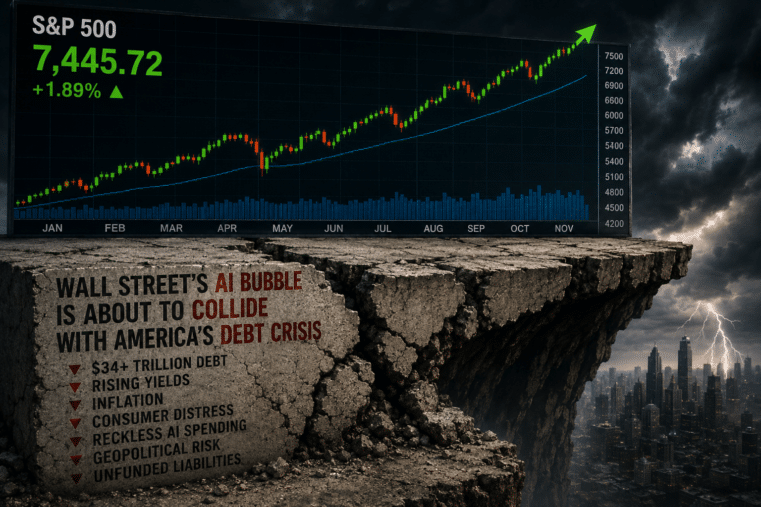
Right now, the stock market is partying like it’s 1999. Mega-cap tech companies tied to AI are carrying the indexes higher, while the rest of the market lags. On the surface, everything looks shiny—new highs in the S&P 500, investor optimism, and endless chatter about “soft landings.”
But look under the hood and the economy is running on fumes:
- Corporate profits are slipping. Margins are getting squeezed by higher costs, tariffs, and slower demand.
- Business investment is sluggish. Companies aren’t spending to grow like they used to.
- GDP growth looks better on paper than in reality. Temporary consumer strength and weak imports made Q2 look good, but it’s not sustainable.
The market isn’t reflecting these cracks. It’s priced for perfection—betting that everything will go right at the same time. History says that’s a dangerous bet.

Why This Should Matter to You
If you’ve got a 401(k), an IRA, or even just a few ETFs in a brokerage account, you’re in this game whether you know it or not. When valuations get stretched like this, the risk isn’t just to Wall Street—it’s to your retirement.
Here’s why:
- Valuations are extreme. The market’s price-to-earnings ratio is in the top 5% since the 1980s. The Buffett Indicator (total market cap to GDP) is above 217%—way beyond the dot-com bubble’s peak.
- You’re being paid less for more risk. Stocks’ forward earnings yield is now below Treasury yields. Translation: you’re taking on way more risk for a smaller expected return than you’d get from plain old government bonds.
- Breadth is weak. Most stocks aren’t going up—just a few giants. If those giants stumble, the whole market gets hit.
The Forces Propping Up This Bubble
Roberts points to three big forces that are keeping the market floating:
- Faith in the Fed. Investors believe the Federal Reserve will always “have their back” and cut rates when things get dicey.
- Tech mania. AI and other “future tech” stories are sucking up capital like a black hole, just as railroads and dot-coms did in past bubbles.
- Passive flows. Trillions in index funds automatically pour money into the biggest companies, reinforcing the bubble.
All three forces can reverse. When they do, the fall is usually fast and brutal.
The Risks No One Wants to Talk About
- Earnings disappointments. With expectations sky-high, any slip in profits could cause sharp market drops.
- Inflation surprises. If inflation proves “sticky,” the Fed may not cut rates as much as the market hopes. That would blow up the narrative behind today’s valuations.
- Geopolitical shocks. Trade wars, energy price spikes, or global instability could be the pin that pops this balloon.
When markets are detached from reality, sentiment flips fast—from “fear of missing out” to “fear of being caught holding the bag.”
What You Can Do Right Now
The good news? You don’t have to predict the exact moment when the bubble bursts. You just have to be ready for it.
- Trim exposure to the most overvalued stocks or funds. Take some profits while you can.
- Diversify beyond mega-cap tech. Value stocks, dividends, and cash flow-focused companies can provide ballast.
- Hold cash and short-term bonds. Cash is no longer “trash”—it gives you dry powder for when bargains appear.
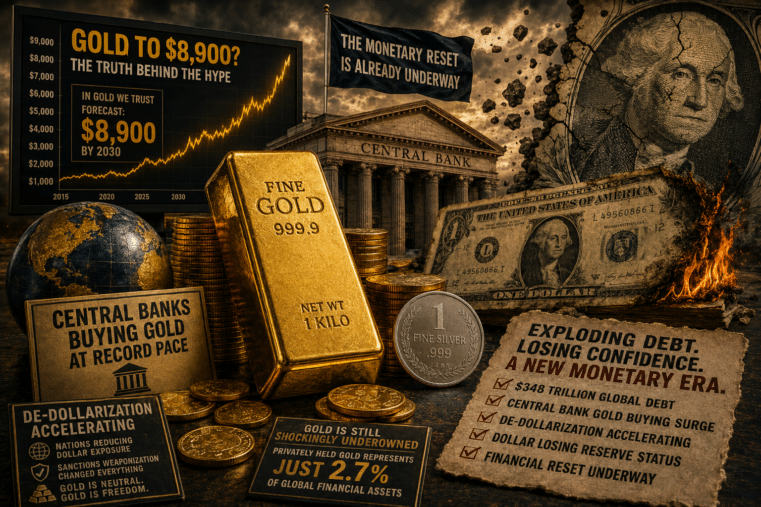
- Hedge your portfolio. Defensive sectors, gold, or other hedges can soften the blow of sudden drops.
- Resist the hype. Don’t chase the latest hot theme at nosebleed valuations.
This isn’t about “timing the market”—it’s about discipline and survival.
Final Word
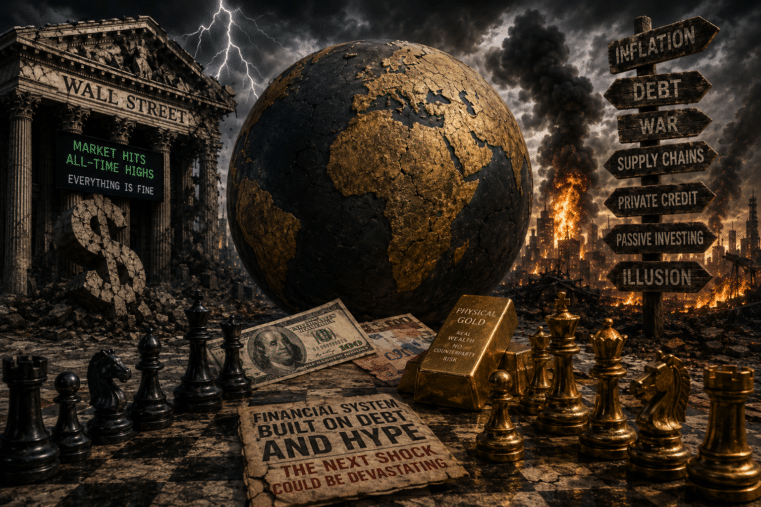
Markets floating on hype, tech manias, and central bank faith always look unstoppable—until they’re not. This time isn’t different. If you’re invested in today’s market, you’re taking more risk than you think.
Now’s the time to get serious about protecting your capital. Because when gravity hits—and it always does—the only thing worse than missing out on the run-up is being wiped out on the way down.
—Derek Wolfe