
Shutdown Theater: Why the Real Economic Threat Isn’t the Pause—It’s What Comes Next

Shutdowns Are No Longer Just Bureaucratic Inconveniences
Every few years, like clockwork, Washington performs another round of political brinkmanship. Cue the headlines: “Government Shutdown Looms.” Cue the panic over national parks closing and bureaucrats staying home. And yet, for all the media hysteria, the actual economic numbers barely register a pulse. The GDP doesn’t tank. Jobs keep getting added. Markets shrug.
So if shutdowns are such a non-event economically, why all the fuss? The answer lies not in the temporary disruption—but in what these shutdowns are beginning to signal. The growing normalization of dysfunction at the federal level is far more dangerous than a few closed offices. And the current trajectory points to something bigger than a blip: a structural erosion of confidence in the system itself.
The Numbers Tell a Different Story
Let’s look at the data. The last major shutdown, under Trump, stretched 35 days from December 2018 to mid-January 2019. In that window, the economy added an average of 221,000 jobs per month. That’s not recessionary territory—that’s business as usual. A similar shutdown in October 2013 saw 220,000 jobs added. Retail sales, GDP, even initial jobless claims remained steady.

Why? Because most government workers still technically have jobs. They’re furloughed, not fired. They eventually get back pay. They don’t flood the unemployment rolls, nor do they drastically cut back on spending. The result? The illusion that everything’s fine.
Economists at Goldman Sachs recently noted that the unemployment rate may tick up 0.2 percentage points during a shutdown due to furlough categorization. But even that would be temporary—on paper.
So the message from Wall Street and legacy economists is simple: nothing to worry about. Shutdowns are just noise. Move along.
That would be a comforting story—if it were still true.
This Time Feels Different—Because It Is
This latest round of shutdown drama comes laced with something new: open talk of using the crisis to permanently dismiss thousands of federal employees. That’s not politics as usual. That’s structural change, and it reeks of desperation.
The White House has floated the idea that non-essential federal workers might not return—at all. That’s not just furlough theater anymore. That’s potentially illegal, constitutionally murky territory. According to Sarah Bianchi at Evercore ISI, the Office of Management and Budget could expand the furlough list—but firing workers en masse during a shutdown would invite legal firestorms.
Still, the threat alone tells you everything you need to know. The federal government isn’t just grinding to a halt; it’s beginning to break apart under its own weight.
The Real Collapse Is One of Confidence
Now we reach the part that matters.
When shutdowns become the norm and federal salaries are openly politicized, markets may still shrug—but the public trust doesn’t. Americans are watching their institutions disintegrate. Confidence in government is near historic lows, and confidence in the currency follows closely behind.
Shutdowns once meant paused paychecks. Now they mean purges.
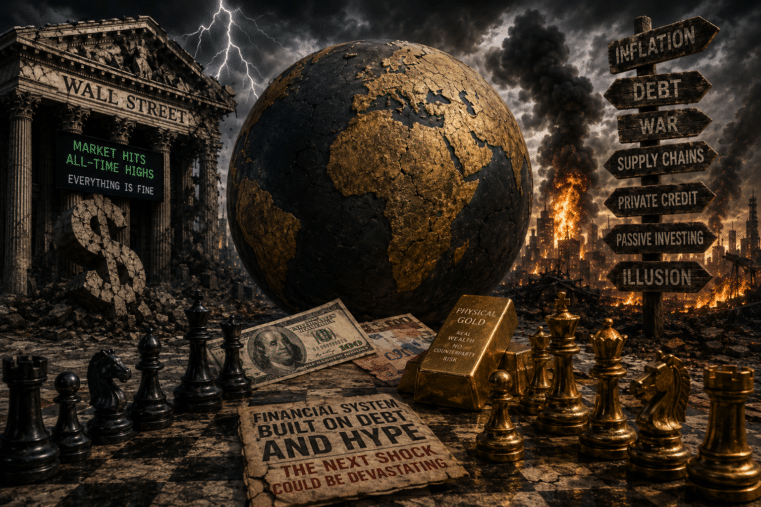
And here's the real danger: when federal workers become expendable, so too does the perception of U.S. financial credibility. It starts with bureaucrats. It ends with Treasuries. Once that wall of belief crumbles, inflation, de-dollarization, and capital flight are no longer theoretical risks—they’re the new default.
So no, the shutdown might not destroy the next GDP report. But it is destroying something far more fragile: belief in the system.
And once that’s gone, no amount of central bank jawboning will put it back together.
Get Prepared, Not Surprised
If you’ve read this far, you know what’s coming. This isn’t about red vs. blue, or left vs. right. This is about systemic decay—and what you’re going to do to protect yourself before the next shock hits.
I recommend starting here:
📘 Download Bill Brocius’ free guide: “7 Steps to Protect Your Account from Bank Failure.” It’s straightforward, actionable, and more relevant than ever.
Download it now »
📗 Read Bill’s book: “End of Banking As You Know It.” A must-read for anyone serious about separating truth from propaganda in today's economy.
📰 Join the Inner Circle Newsletter: For $19.95/month, you get access to Bill’s private research, forecasts, and market strategies before they hit the public airwaves.
Washington isn’t coming to save you. But with the right knowledge—you won’t need them to.
— Eric Blair