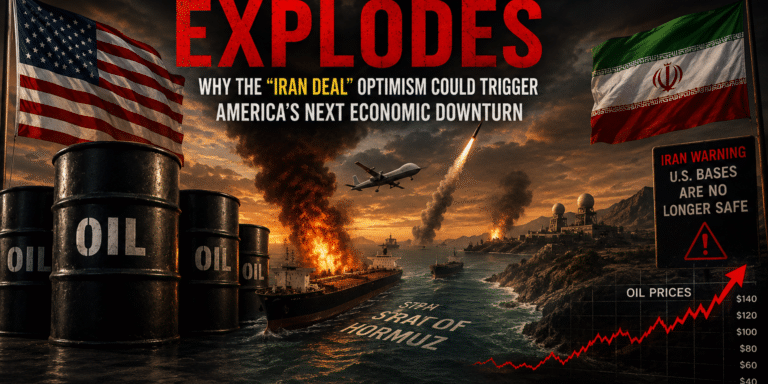
Strait of Hormuz Crisis EXPLODES: Why The “Iran Deal” Optimism Could Trigger America’s Next Economic Downturn

Why the Strait of Hormuz Crisis Could Trigger Global Economic Chaos
The media keeps pushing headlines about a possible Iran deal.
But look at the facts.
The Strait of Hormuz remains dangerously unstable.
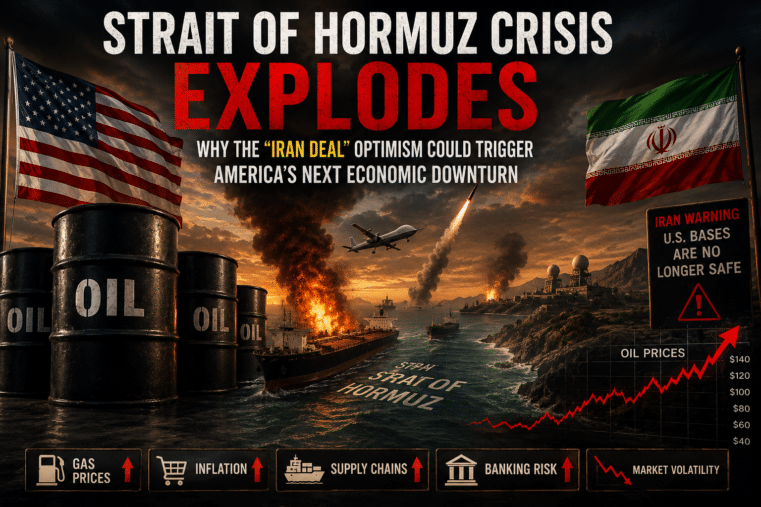
This tiny waterway handles roughly 20% of the world’s oil supply. Every major economy depends on it. America. Europe. China. India. Everyone.

And now?
Military strikes.
Naval escorts.
Explosions involving tankers.
Drone shootdowns.
Threats against U.S. bases.
Israeli escalation.
Iranian retaliation.
That is not peace.
That is a region preparing for prolonged conflict.
The political class wants Americans calm. Markets want investors complacent. But the signs coming out of the Middle East point toward something much bigger brewing beneath the surface.
Iran Says A Deal Is NOT Imminent
This is the part the mainstream media keeps glossing over.
While Washington officials continue floating optimistic headlines, Iranian officials are openly warning that no final agreement has been reached.
Not only that:
- Iran says its nuclear program is still unresolved
- Tehran reportedly wants billions released upfront
- Iranian officials are discussing regulating passage through Hormuz
- The regime warns military retaliation remains on the table
Translation?
The so-called “deal” may be little more than political theater designed to buy time and calm markets.
Even analysts quoted in international coverage admitted both sides are simply trying to “sell their narrative.”
That should alarm every American paying attention.
Because fake optimism has consequences.
Oil Prices Could Explode Overnight
Here’s what ordinary Americans need to understand.
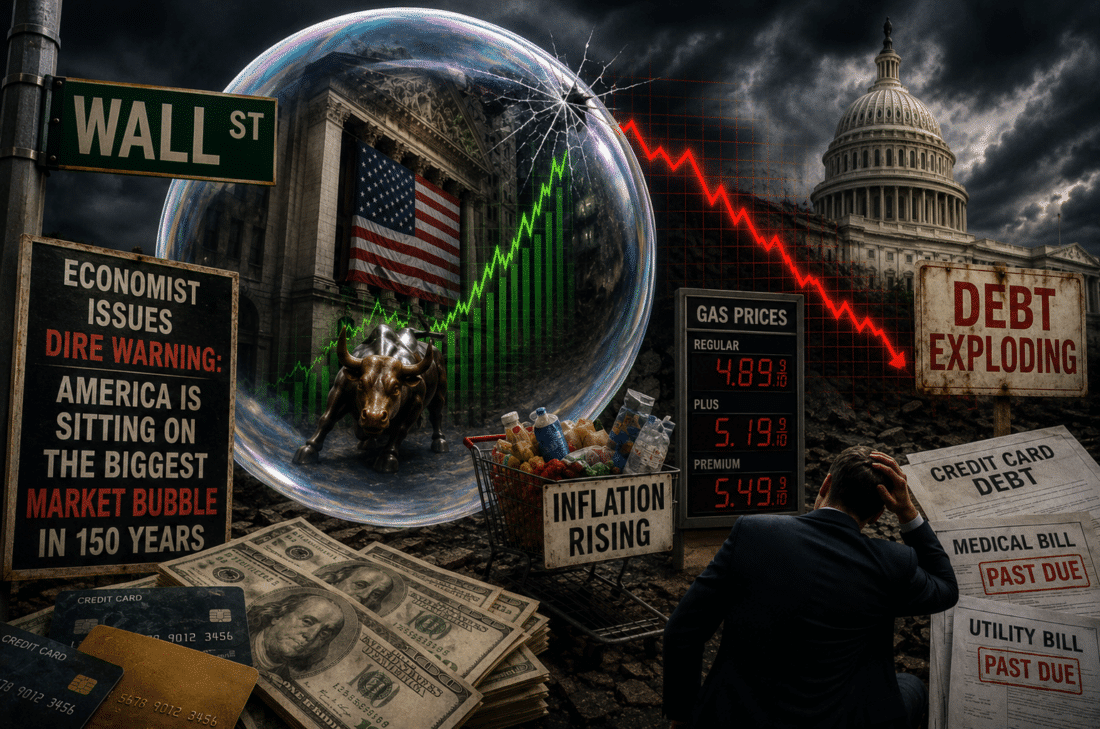
The economy is hanging by a thread.
Inflation never truly disappeared.
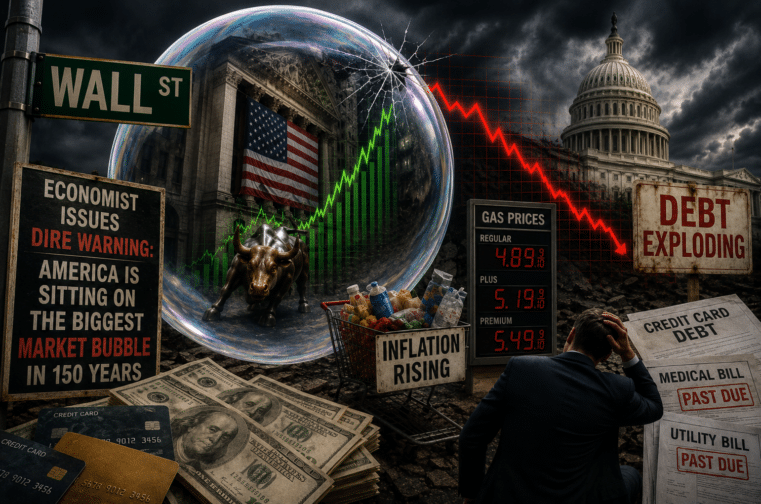
Consumer debt is crushing families.
Credit card defaults are rising.
Commercial real estate is imploding.
Banks remain fragile beneath the surface.
Now add a prolonged Hormuz crisis on top of that.
If the Strait faces major disruption, the effects could hit fast:
Possible Economic Fallout From a Hormuz Escalation
- Massive oil price spikes
- Higher gasoline prices nationwide
- Shipping delays and shortages
- Supply chain disruptions
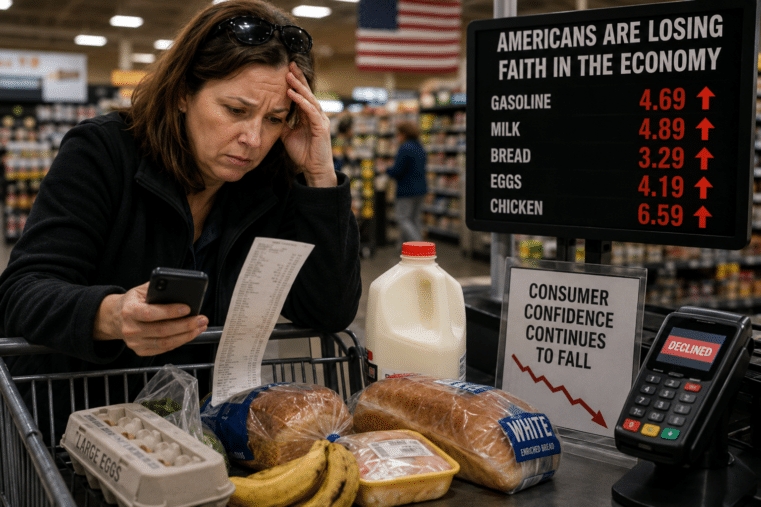
- Rising food costs
- New inflation waves
- Stock market panic
- Banking instability
And remember:
It does not require a full closure of Hormuz to trigger chaos.
Sometimes perception alone is enough.
A single tanker explosion.
One missile strike.
One mining incident.
One attack on regional infrastructure.
That’s all it takes to send global markets spiraling.
The Pentagon’s Actions Contradict The “Peace” Narrative
If diplomacy were truly close, why are military operations intensifying?
According to reports:
- U.S. forces carried out strikes in southern Iran
- Iranian forces claim they shot down an MQ-9 Reaper drone
- Tehran says American aircraft violated its airspace
- CENTCOM reportedly restarted naval escort operations
- Israel expanded military activity in Lebanon
This is not de-escalation.
This is strategic positioning before potential wider conflict.
Washington says the strikes were “defensive.”
Iran says the ceasefire has already been violated.
Both sides are preparing for the possibility negotiations collapse.
Yet financial markets continue acting like stability is guaranteed.
That disconnect is dangerous.
The Banking System Is More Vulnerable Than Americans Realize
Here’s the truth the elites never want discussed.
The global financial system was already unstable BEFORE this Middle East crisis intensified.
America is drowning in debt.
Banks are overloaded with unrealized losses.
The Federal Reserve boxed itself into a corner.
The dollar system is under pressure globally.
Now energy instability enters the equation.
Historically, oil shocks trigger economic pain fast.
And when economic panic rises, governments always demand more control.
More surveillance.
More financial tracking.
More digital systems.
More restrictions sold as “security.”
That’s why Americans should pay close attention anytime the media suddenly assures them everything is “under control.”
Because usually the opposite is true.
Why Americans Should Ignore The False Optimism
The corporate press wants a simple storyline:
“Deal close. Crisis fading. Markets safe.”
But the evidence says otherwise.
There is no finalized agreement.
There is no stable ceasefire.
There is no regional calm.
Instead we have:
- Escalating military encounters
- Contradictory government messaging
- Open threats from Tehran
- Growing naval tensions
- Expanding Israeli operations
- Fragile global energy markets
That is not stability.
That is uncertainty layered on top of economic weakness.
And historically, uncertainty is what crashes economies.
The Real Risk: A Long-Term Economic Grind
Most Americans still think in terms of sudden crashes.
But the greater danger may be something slower.
Persistent inflation.
Energy instability.
Higher costs.
Weak growth.
Falling purchasing power.
Banking stress.
Debt dependency.
A long economic squeeze.
The kind that destroys the middle class quietly over time.
And while Americans are distracted by celebrity gossip, political theater, and endless media noise, the financial foundations beneath the country continue cracking.
The people running this system always seem prepared.
Ordinary Americans usually are not.
America First Means Preparing Before The Crisis Hits
The Founders warned about centralized financial power for a reason.
Economic dependence creates political dependence.
And moments like this expose how fragile modern America has become.
One chokepoint halfway across the world can suddenly impact:
- Your grocery bill
- Your retirement account
- Your fuel costs
- Your savings
- Your job security
That’s the reality of the system global elites built.
A system where ordinary citizens absorb the pain while connected insiders profit from instability.
Americans need to start thinking ahead now — not after headlines turn into shortages and panic.
Final Warning: Don’t Confuse Headlines With Reality
The biggest mistake investors and families can make right now is assuming “a deal is coming” simply because politicians say so.
Words are cheap.
Reality matters.
And the reality is this:
The Middle East remains on edge.
Global energy markets remain vulnerable.
Military tensions are escalating.
Economic fragility is growing.
The optimism being sold to the public has very little hard evidence supporting it.
That should concern everyone.
Join The Inner Circle Before The Next Crisis Hits
The mainstream media won’t prepare you for what’s coming. They’ll tell you everything is fine until the damage is already done.
That’s why thousands of Americans are turning to the Inner Circle for real economic intelligence, financial warnings, and uncensored analysis the corporate press refuses to cover.