THE GREAT SQUEEZE: SMALL BUSINESSES ARE BEING CRUSHED—AND THE SYSTEM IS DESIGNED THAT WAY

They Can’t Raise Prices. They Can’t Survive Without It.
Let’s get straight to it.
Small business owners across this country are trapped.
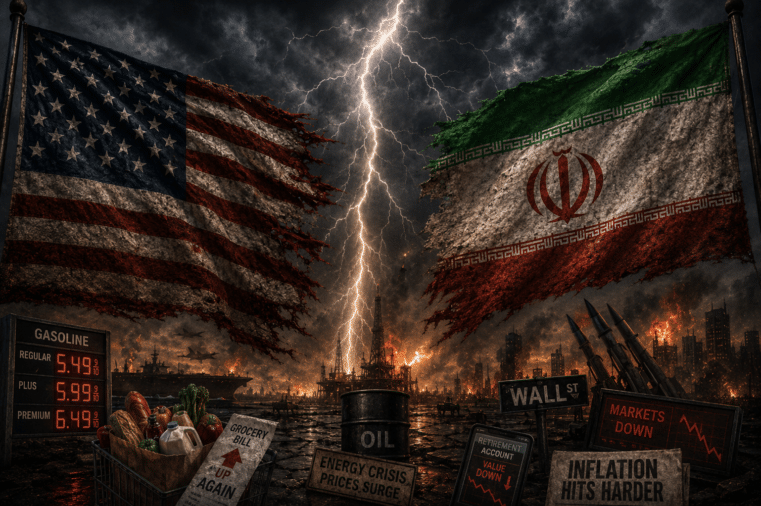
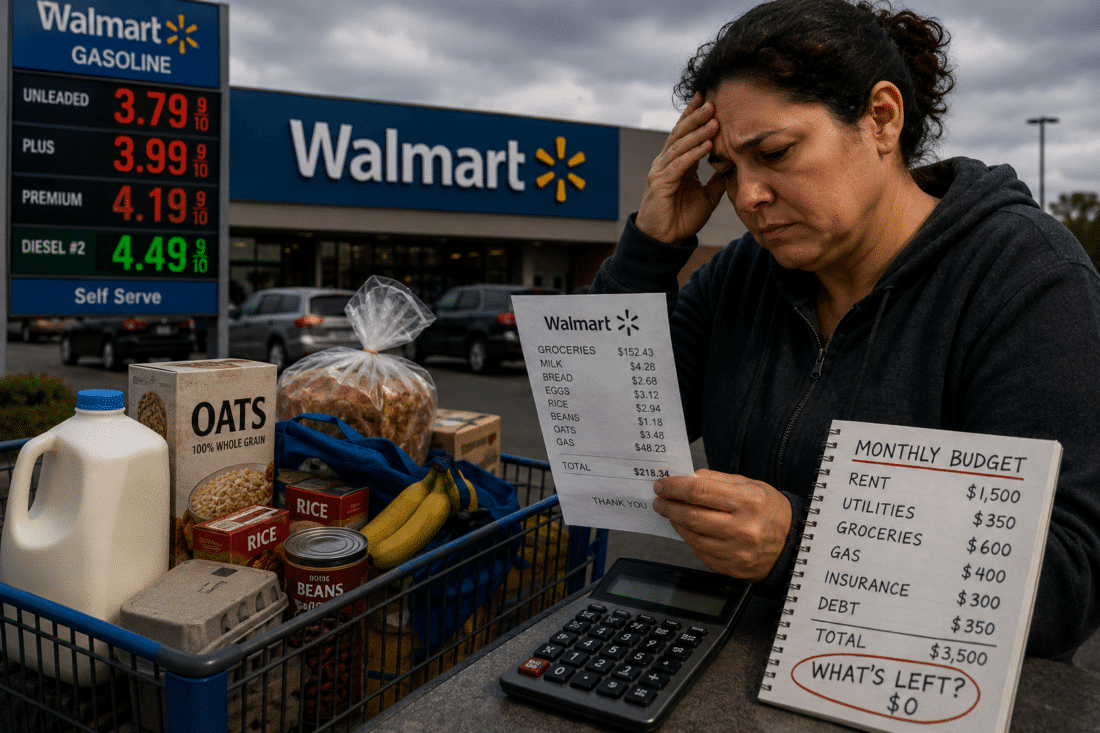
Gas is pushing $5 a gallon. Shipping costs are rising. Raw materials are surging. Labor isn’t getting cheaper. Nothing is.

And yet—they can’t raise prices.
Why? Because the American consumer is tapped out.
That’s the story buried inside the headlines. Not “resilience.” Not “adjustment.” Collapse—slow, quiet, and widespread.
A clothing store in Oregon says it plainly: they’d rather make less than charge more. A bakery admits grocery stores won’t accept price increases anymore. A manufacturer is cutting workers because customers refuse higher prices.
This is not a healthy market. This is a chokehold.
The Middle Is Being Wiped Out
This is where the real damage is happening.
Not at the top. Not at the bottom.
In the middle.
- Small retailers
- Independent manufacturers
- Local suppliers
- Truckers and logistics operators
These are the backbone of the American economy. And they are being squeezed from both sides:
- Costs rising relentlessly
- Customers unable to pay more
That’s not a business cycle. That’s a structural failure.
When businesses can’t pass on costs, they don’t magically absorb them forever. They:
- Cut wages
- Cut hours
- Cut staff
- Or shut down
That’s exactly what we’re seeing.
This Is What Inflation Really Looks Like
You’ve been told inflation is “cooling.”
That’s not what Main Street is experiencing.
Here’s the reality:
- Fuel costs ripple through everything
- War and global instability drive raw material spikes
- Tariffs and policy decisions increase input costs
- Years of monetary expansion have weakened purchasing power
This is classic Austrian economics territory.
Artificially cheap money and intervention distort the system. For a while, everything looks fine. Then reality hits.
And when it hits—it hits the productive class first.
Not the speculators. Not the bureaucrats.
The people who actually make and move things.
Consumers Are Tapped Out
Here’s the part the experts don’t want to say out loud:
The American consumer is exhausted.
Foot traffic is down. Returns are up. Confidence is gone.
People are:
- Paying more for essentials
- Cutting back on discretionary spending
- Delaying purchases
- Living tighter than they have in years
So when businesses try to raise prices, demand disappears.
That’s the trap.
And it tells you something deeper: the so-called “strong economy” isn’t reaching real people.
When Price Signals Break, Everything Breaks
In a functioning market, rising costs lead to rising prices. That’s how businesses survive. That’s how resources get allocated properly.
But right now, that mechanism is breaking.
Prices should rise—but they can’t.
So instead:
- Quality drops
- Jobs disappear
- Investment stalls
- Supply shrinks
This is what distorted price signals look like in real time.
It’s not theoretical. It’s happening in shops, factories, and trucking yards across America.
From Independence to Dependence
Here’s where this leads if it continues.
Small businesses disappear.
And when they disappear:
- Local economies weaken
- Workers lose bargaining power
- Communities lose identity
- Large corporations gain more control
That’s the shift.
From independence… to dependence.
From ownership… to consolidation.
From local resilience… to centralized control.
You don’t need a conspiracy to see the direction. You just need to follow the incentives.
The Real Takeaway: This Isn’t Temporary
This isn’t just about gas prices.
It’s not just about one bad year.
It’s about a system that has been stretched to its limits.
When:
- Costs keep rising
- Consumers can’t keep up
- And businesses can’t adjust
Something has to give.
And right now, it’s the people in the middle who are giving everything.
What Comes Next
If this trend continues, expect more of the same:
- More layoffs disguised as “adjustments”
- More small business closures
- More consolidation at the top
- Less opportunity for the average American
That’s not pessimism. That’s trajectory.
Final Word: Pay Attention to Main Street, Not Wall Street
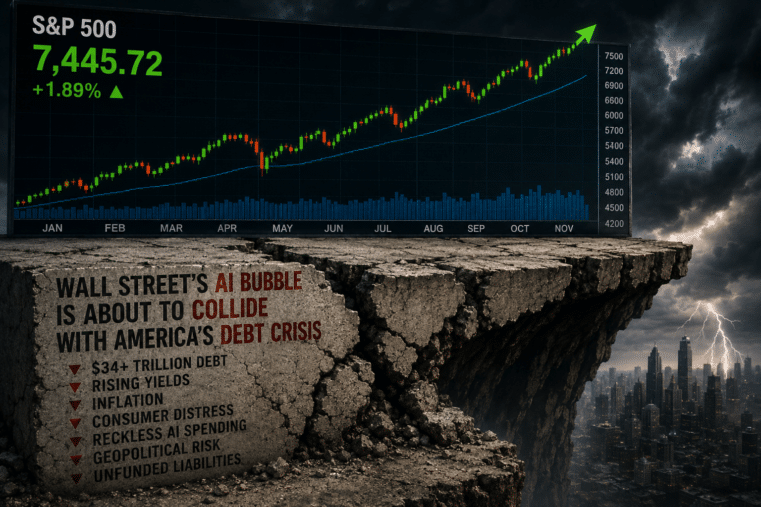
The real economy isn’t in stock charts.
It’s in:
- The shop owner cutting hours
- The manufacturer losing margin
- The trucker parking his rig
- The worker losing stability
That’s where the truth lives.
And right now, that truth is clear:
The system is under strain. The middle is being crushed. And the longer it’s ignored, the harder the correction will be.
TAKE BACK CONTROL—START WITH KNOWLEDGE
If there’s one lesson here, it’s this:
Systems without ownership don’t serve the people.
They serve the powerful.
And unless you understand how those systems work—especially the financial ones—you’re playing a rigged game.
That’s why more Americans are waking up.
And why more are taking steps to protect themselves.
Join the Inner Circle Today and get the insights they don’t want you to have—real strategies, real awareness, and real tools to navigate a system that’s no longer working for you.
Because the first step to fixing the system…
Is seeing it clearly.