Trump Sounds the Death Knell for BRICS—But Is It Really Over?

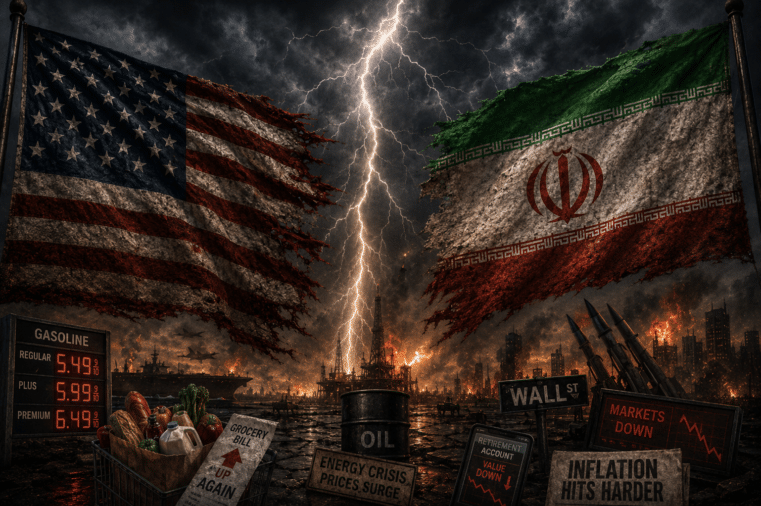
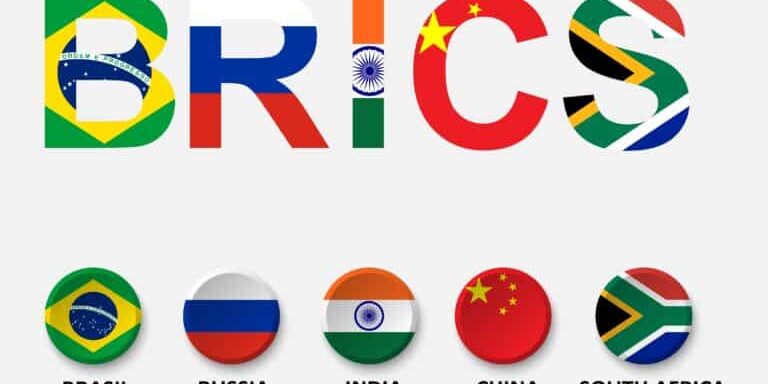
It’s no secret that Trump views the U.S. dollar as a critical weapon of economic dominance. He’s made it clear: if the dollar loses its global reserve status, it would be as devastating as losing a war. And right now, the greatest threat to that dominance comes from BRICS—the economic alliance of Brazil, Russia, India, China, and South Africa, which has been aggressively pushing de-dollarization.
So, in classic Trump fashion, he’s hitting back hard. His administration is ramping up a trade war against BRICS nations, warning of 100% tariffs on countries attempting to move away from the dollar. And with that, he’s declared BRICS dead.
But is it really?

Trump’s War on BRICS and the De-Dollarization Threat
For years, BRICS has been laying the groundwork for a global financial system not dependent on the U.S. dollar. They’ve established alternative trade settlements, expanded their New Development Bank (a rival to the IMF and World Bank), and forged closer ties with oil-producing nations looking to move away from petrodollar dependency.
Now, with Trump's return to the White House, the U.S. is no longer ignoring this shift. Instead, his administration is launching an aggressive counteroffensive—leveraging tariffs, economic sanctions, and diplomatic pressure to isolate BRICS economies. The goal? To force them back into the dollar-based system.
But Trump’s words don’t match the reality on the ground.
BRICS: Alive and Stronger Than Ever
Despite Trump’s proclamation, the BRICS alliance is far from dead. In fact, it’s expanding. Saudi Arabia, the UAE, Iran, Egypt, and Ethiopia officially joined BRICS in 2024, strengthening the bloc’s economic and geopolitical clout. More nations are lining up to join, eager to escape U.S. economic dominance.
According to Dr. Aparaajita Pandey, a strategic affairs expert from Jawaharlal Nehru University, Trump’s statement is more bluster than fact. “It’s important not to take Trump’s words at face value. His intention is clearly to prevent the Yuan, or any other currency, from replacing the U.S. dollar as the dominant currency in international trade.”
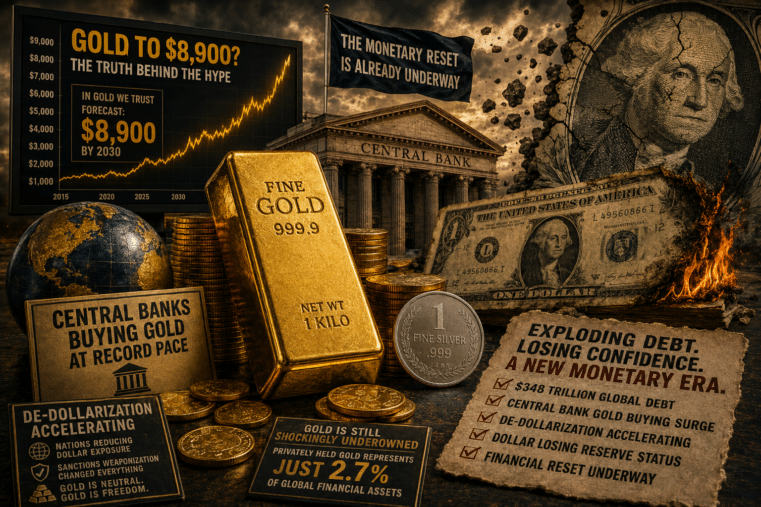
But preventing de-dollarization is easier said than done. BRICS nations are continuing to expand local currency trade agreements, reducing reliance on the dollar. The bloc’s bank is working on a BRICS reserve currency, a direct challenge to the dollar’s dominance in global finance. And perhaps most significantly, energy producers like Russia, Saudi Arabia, and the UAE are already conducting oil transactions in non-dollar currencies—a direct attack on the petrodollar system.
The Global South’s Economic Rebellion
At its core, BRICS is about more than just currency. It’s a geopolitical alliance designed to shift power away from Western financial institutions. As one Indian foreign policy expert put it, “BRICS is about securing the economic interests of non-Western countries.” The bloc gives its members access to vital markets in Central Asia, the Middle East, and Africa, without relying on U.S.-controlled financial systems.
For these nations, BRICS represents economic freedom from Washington’s influence. They have no intention of surrendering that, no matter how high Trump’s tariffs go.
Can Trump Kill BRICS?
Trump’s tariffs may hurt individual BRICS nations, but they’re unlikely to destroy the bloc itself. If anything, economic pressure from Washington only reinforces the reason BRICS exists in the first place—to break free from the Western-controlled financial order.
Will Trump’s aggressive policies slow down de-dollarization? Possibly. But will they stop it entirely? Highly unlikely. The momentum behind BRICS is too strong, and the more Washington pushes, the more incentive these nations have to speed up their departure from the dollar.
Trump is fighting to preserve U.S. economic dominance, but the cracks in the system are already showing. BRICS isn’t dead—it’s evolving. And the real question isn’t whether BRICS will survive, but whether the U.S. dollar can withstand the global financial shift that is already well underway.
Protect Your Wealth Before the Dollar Crisis Hits
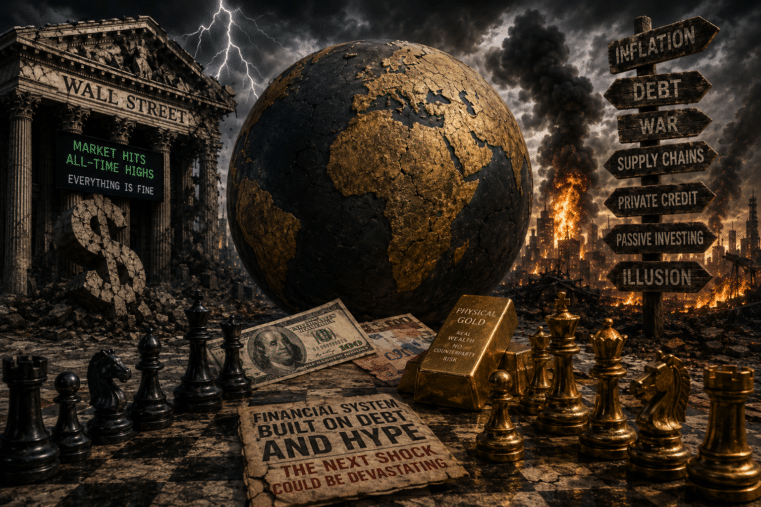
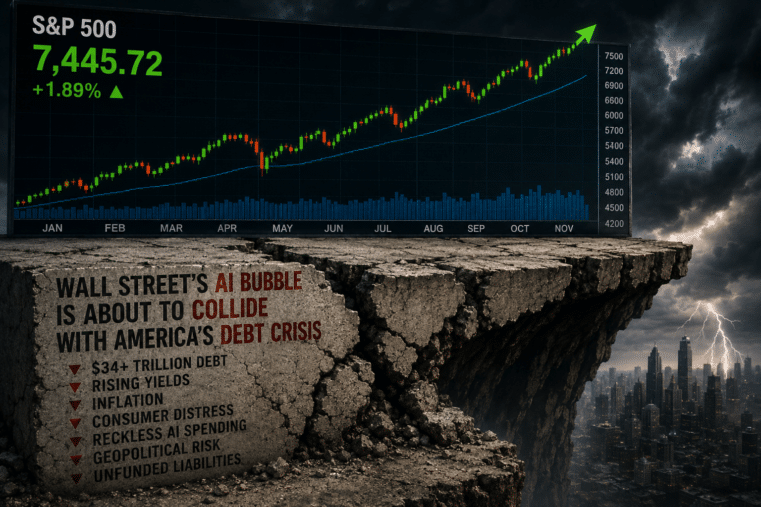
As the global economy moves away from the U.S. dollar, your savings and investments are at risk. If the petrodollar collapses, so does America’s ability to print endless money without consequences. That means inflation, asset seizures, and a potential banking crisis.
Don’t wait for Washington to protect your money—take action now. Download Bill Brocius’ free guide—"7 Steps to Protect Yourself from Bank Failure"—and learn how to secure your assets before the financial system unravels.
For deeper insights, subscribe to Bill’s Inner Circle newsletter for just $19.95 and get exclusive strategies to navigate the coming economic storm.