The Petrodollar Is Cracking: Indonesia’s Russia Oil Deal Signals a Dangerous Global Shift

This Isn’t Just an Oil Deal—It’s a Signal
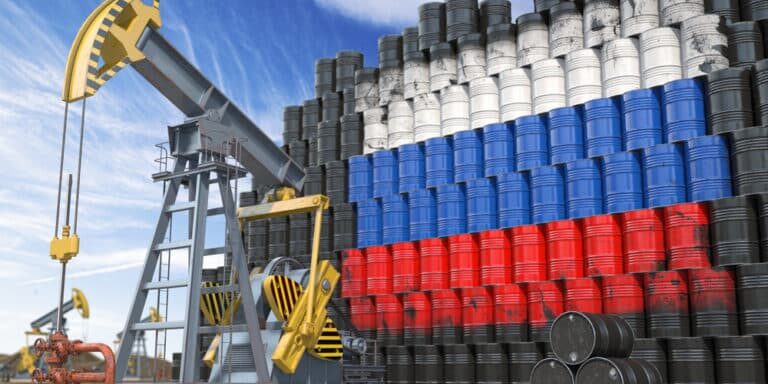
Indonesia joining the line to purchase Russian oil might look routine on the surface.
It’s not.
This is a newly added BRICS member aligning its energy strategy with another BRICS heavyweight—Russia. And in today’s environment, energy trade isn’t just about supply and demand.

It’s about which system you operate inside.
Because for decades, global oil transactions have been tied to one thing: the U.S. dollar.
That system is now being tested.
The Petrodollar System Is Under Pressure
Here’s the foundation most people overlook:
The U.S. dollar dominates globally largely because oil is priced and traded in dollars. Countries need dollars to buy energy. That demand props up the currency and keeps global capital flowing into U.S. assets.
But when countries start buying oil outside that system, cracks form.
Indonesia’s situation makes it clear why this is happening:
- Domestic production: 600,000 barrels/day
- Consumption: 1.6 million barrels/day
- Massive supply gap
They need oil. Russia has it. And BRICS provides the framework to make that deal happen—potentially without relying on the dollar.
That’s the shift.
BRICS Controls the Supply—And That Changes Everything
Let’s talk scale.
BRICS nations now control roughly 45% of global oil supply.
That’s not a side market. That’s leverage.
With Russia already supplying China and India—and now potentially Indonesia—you’re seeing the emergence of a parallel energy network.
One that can:
- Set its own terms
- Choose its own settlement mechanisms
- Operate increasingly outside Western financial oversight
And if Saudi Arabia or other major producers deepen alignment?
That 45% grows fast.
The Domino Effect: Why Other Countries May Follow
Indonesia isn’t unique—it’s just early.
Many countries are facing the same pressures:
- Rising energy demand
- Currency instability
- Exposure to geopolitical risk
And they’re watching closely.
If Indonesia successfully secures stable oil flows through BRICS channels, others will take note. Especially nations that:
- Want to reduce reliance on the dollar
- Have faced or fear sanctions
- Are looking for more flexible trade arrangements
That’s how shifts like this spread—not all at once, but one agreement at a time.
What Happens If De-Dollarization Accelerates?
This is where the real risk shows up.
If more countries begin settling energy trades outside the dollar:
Global Demand for Dollars Declines
Less need for dollars in trade means less demand overall. That weakens the currency’s global position.
U.S. Borrowing Becomes More Expensive
Foreign demand for U.S. debt is tied to dollar usage. If that demand drops, interest rates rise, and debt becomes harder to sustain.
Economic Leverage Shrinks
Sanctions and financial pressure only work if the system runs through you. A parallel system limits that power.
Market Volatility Increases
Fragmented systems create inefficiencies—multiple currencies, pricing models, and settlement layers.
That’s not stability. That’s friction.
Russia’s Role: Energy Power With Strategic Intent
Russia isn’t just selling oil—it’s repositioning itself.
Cut off from parts of the Western system, it has pivoted hard toward BRICS and emerging markets. By supplying energy to major economies like China, India, and now potentially Indonesia, Russia is helping build the backbone of an alternative trade network.
Energy is the entry point.
Once that relationship is established, other forms of trade follow.
The Bigger Picture: A Shift in Global Power Dynamics
What we’re watching isn’t isolated.
It’s part of a broader pattern:
- Countries diversifying away from the dollar
- Trade agreements forming outside traditional systems
- Resource-rich nations leveraging supply for influence
Indonesia’s move is one piece of that puzzle—but it fits perfectly.
And when enough pieces come together, the picture changes.
My Take: This Is How Systems Get Replaced
Big systems don’t collapse overnight.
They get bypassed.
Quietly. Gradually. Then suddenly.
What Indonesia is doing—what BRICS is facilitating—isn’t a rebellion. It’s an alternative.
And alternatives don’t need to destroy the existing system to weaken it. They just need to give countries a choice.
Once that choice exists, the shift becomes inevitable.
Final Thoughts: Watch Energy, Not Headlines
If you want to understand where the global financial system is heading, don’t just watch currencies.
Watch energy flows.
Who’s buying from whom.
What currency they’re using.
What systems they’re settling through.
Because that’s where the real shift is happening.
And right now, that shift is accelerating.
Prepare for What Comes Next
If you’re paying attention, the pattern is clear: nations are restructuring trade, building alternatives, and reducing reliance on traditional financial systems.
But that’s only one side of the story.
At the same time, new financial technologies are being introduced—systems like FedNow, central bank digital currencies (CBDCs), and programmable money—that could fundamentally change how transactions are controlled and monitored.
Understanding this convergence is critical.
That’s why the Digital Dollar Reset Guide by Bill Brocius is essential reading. It breaks down what’s coming and how to prepare before these changes fully take hold.
Because once the system shifts, adapting won’t be easy. Preparing now is the smarter move.